
NEW YORK, January 2, 2026, 16:55 ET — After-hours
- AI-linked chip stocks led U.S. markets on the first trading day of 2026; the semiconductor index jumped 4%
- Nvidia, AMD and Micron rose, while Microsoft and Amazon fell and kept the Nasdaq near flat
- Traders are watching China demand signals, memory supply-chain moves and next week’s U.S. jobs report
AI-linked chip stocks rallied on Wall Street’s first trading day of 2026, pushing the Philadelphia Semiconductor Index up 4% and helping the Dow and S&P 500 end higher, while the Nasdaq slipped 0.03%. “Investors might be a little bit more conscious about some of the valuations that they’re paying for some of the AI plays,” said Joe Mazzola, head of trading & derivatives strategist at Charles Schwab. Reuters
The early-year pop matters because semiconductors sit at the center of AI spending, from data-center chips to the memory that feeds them. After a late-December pullback in parts of big tech, traders are testing whether buyers still step in quickly when the AI complex dips.
The next leg for the group depends less on slogans and more on supply, pricing and policy. Export rules, funding for data centers and the outlook for U.S. interest rates are setting the tone for what investors are willing to pay.
In after-hours trading — after the 4 p.m. close — Nvidia was up 1.2% at $188.85, while AMD gained 4.3% to $223.47 and Micron climbed 10.5% to $315.42; Intel rose 6.7%. Baidu jumped 14.9% to $150.30, while Microsoft fell 2.2% to $472.94, Amazon slipped 1.9% and Palantir dropped 5.6%.
Earlier this week, Reuters reported that Nvidia has approached contract chipmaker TSMC to ramp output of its H200 data-center chips as Chinese technology companies line up orders. Sources told Reuters Chinese firms have ordered more than 2 million H200 chips for 2026, versus about 700,000 units Nvidia currently holds in stock, with added production expected to start in the second quarter of 2026; the sources also flagged uncertainty over whether Beijing will approve imports. Reuters
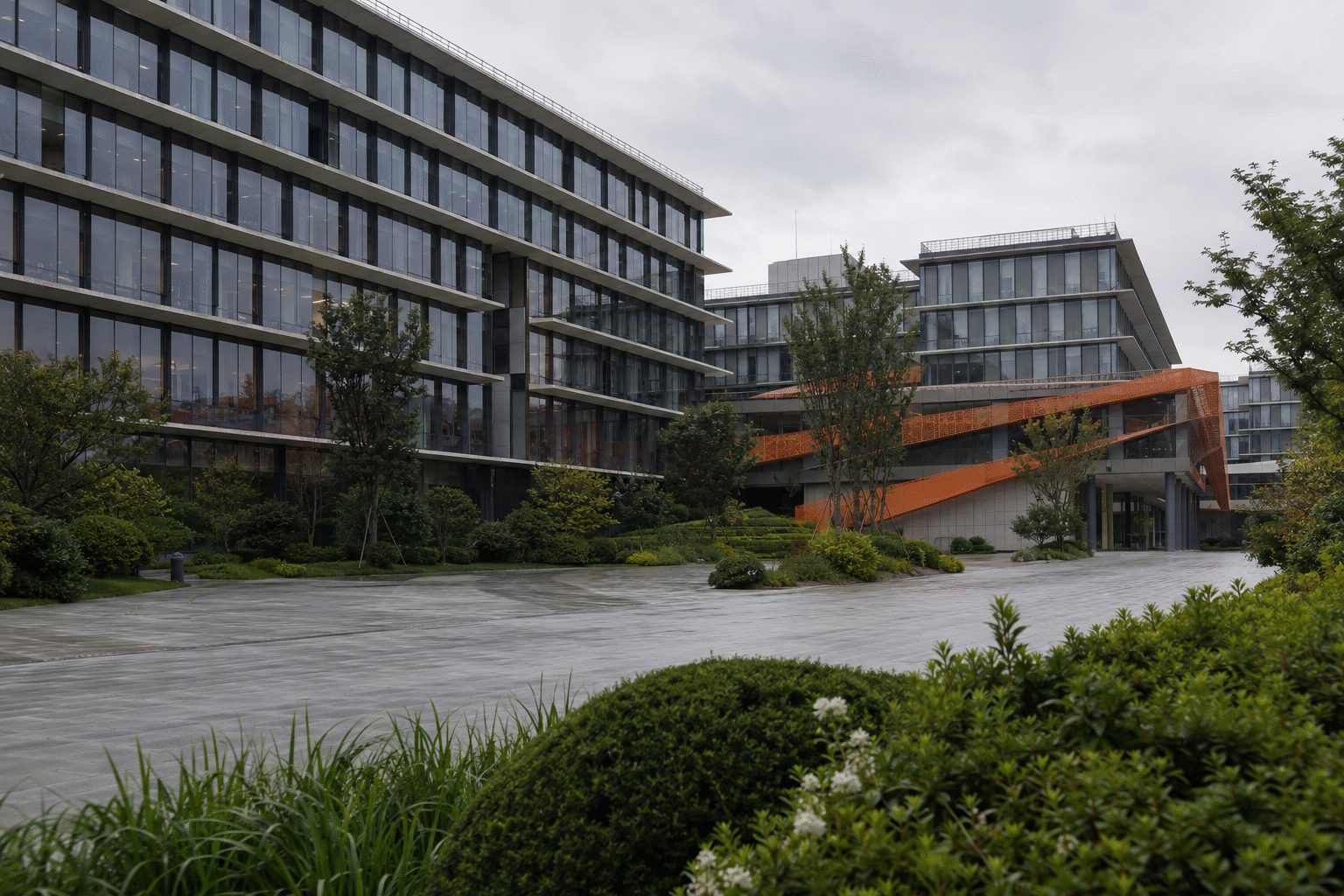
Baidu said its AI chip unit Kunlunxin confidentially filed a listing application with Hong Kong’s stock exchange on Jan. 1, setting up a potential spin-off. The company said Kunlunxin is expected to remain a subsidiary after a listing; Reuters previously reported the unit was valued at 21 billion yuan ($3 billion) in a fundraising. Reuters
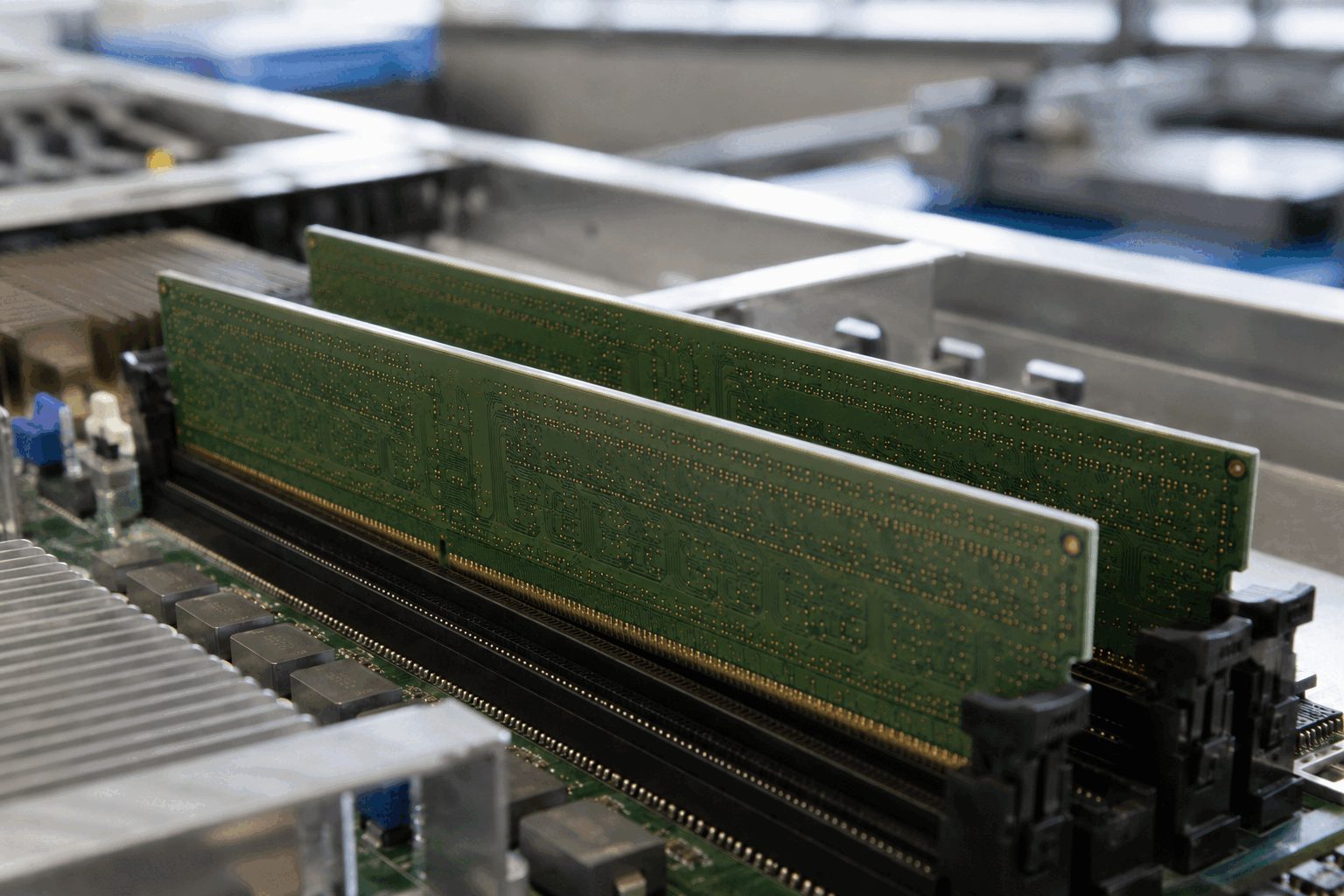
In South Korea, Samsung Electronics said customers have praised the competitiveness of its next-generation high-bandwidth memory, or HBM4. HBM is a type of stacked memory used next to AI processors to feed data quickly, and Samsung has said it is in discussions to supply HBM4 to Nvidia; Counterpoint Research data cited by Reuters showed SK Hynix led the HBM market in the third quarter of 2025, followed by Samsung and Micron. Reuters
Next up for markets is the U.S. employment report due Jan. 9, which investors watch for clues on the path for interest rates. A Reuters poll expects payrolls — a measure of job growth — to rise by 55,000 in December, while the unemployment rate was 4.6% in November; consumer price data on Jan. 13 and the start of fourth-quarter earnings season, including results from JPMorgan that day, are also in focus. Reuters
Chipmakers also face a near-term catalyst at CES in Las Vegas next week, where Nvidia CEO Jensen Huang is slated to appear on Jan. 5. AMD says its CEO Lisa Su will deliver a CES keynote on Jan. 5 at 6:30 p.m. PT (9:30 p.m. ET). CES
For now, the split between chip strength and weakness in some software and internet-heavy names shows investors are still picking their spots inside the AI trade. The next few data prints and supply-chain updates will show whether Friday’s rebound is the start of a broader reset, or another short-lived rotation.