
NEW YORK, January 1, 2026, 19:25 ET
- Air Force officials have said they envision at least 100 B-21 Raiders, with a $692 million average procurement unit cost requirement in base-year 2022 dollars.
- The Air Force has 45 B-1Bs, and Congress has written provisions to limit retirements of the bomber, a Congressional Research Service brief said.
- The Air Force said in 2025 a second B-21 test aircraft arrived at Edwards Air Force Base, expanding testing beyond basic flight performance checks.
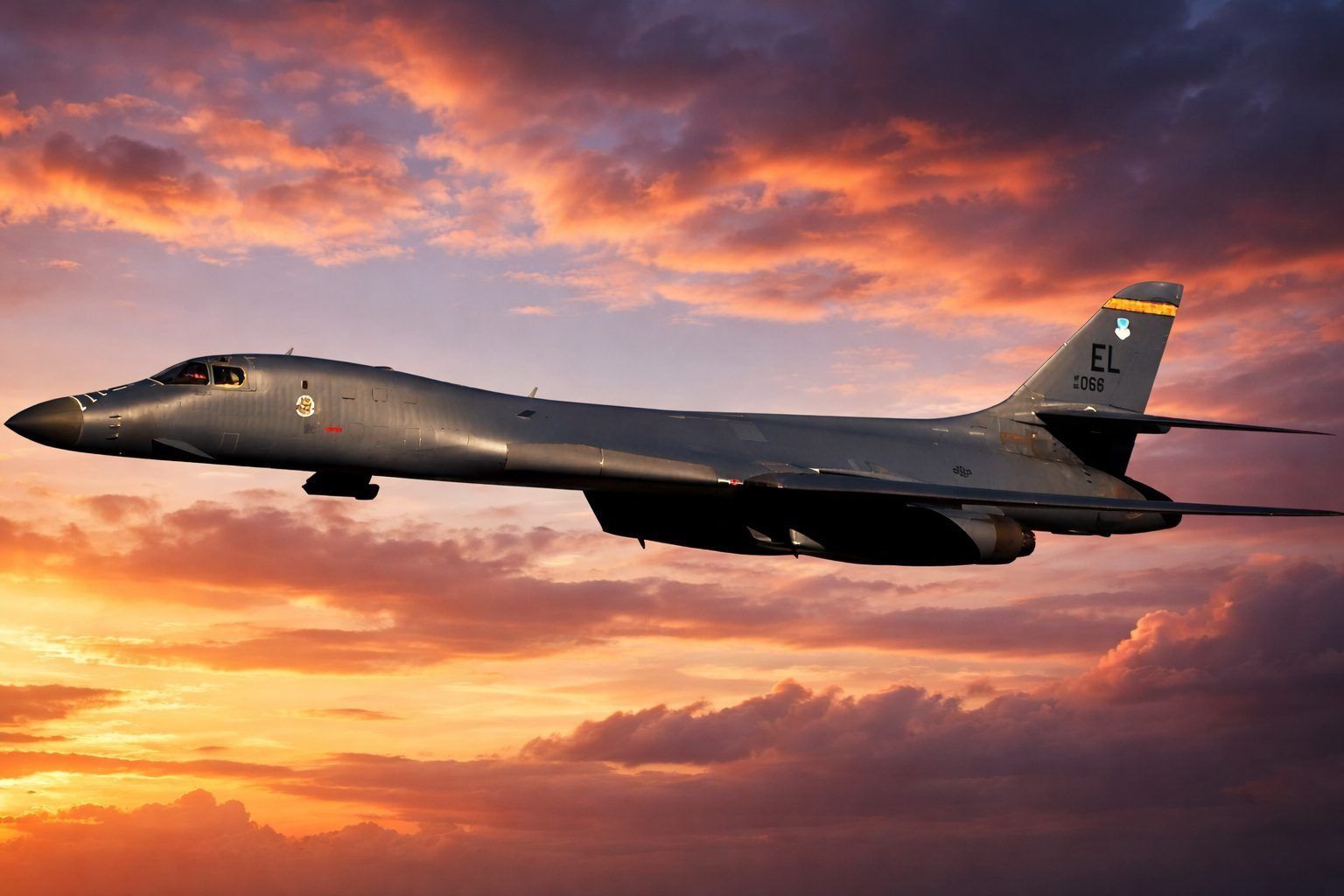
A defense commentary published this week put a spotlight on the U.S. Air Force’s plan to keep the B-1B Lancer relevant through upgrades while it transitions to the B-21 Raider stealth bomber. The piece argued the stopgap reduces near-term risk but sharpens questions about whether the Pentagon should accelerate B-21 procurement.
Why that matters now is the Air Force’s looming “bathtub effect” — a dip in bomber capacity as older aircraft retire faster than replacements arrive. Analysts have warned the shortfall could persist for years if production ramps slowly. Air & Space Forces Magazine
The Air Force describes the B-21 as a dual-capable, penetrating stealth bomber meant to carry conventional and nuclear weapons, built with an “open systems” design — a modular approach intended to make future upgrades easier and faster. The service says the future bomber force will center on the B-21 and the upgraded B-52.
For the B-1B, the Air Force completed a major modernization effort in 2020 under the Integrated Battle Station program, an overhaul that updated cockpit displays and data systems across 60 aircraft, the service said. Officials said the work improved aircrew situational awareness and communications.
The next push has focused on boosting the B-1’s ability to carry more long-range weapons. Air & Space Forces Magazine reported the Air Force is pursuing new external pylons that could expand the bomber’s standoff missile load while the B-21 ramps up.
Stand-off weapons are missiles launched from outside the reach of many air-defense systems, allowing aircraft to strike without entering the most heavily defended airspace. The approach has become a central workaround for older bombers facing more capable radars and surface-to-air missiles.
Boeing is listed as the B-1’s contractor, according to Air & Space Forces Magazine. The aircraft remains a key part of the Air Force’s long-range conventional strike force as the service phases in its next-generation fleet.
In September, the Air Force said a second B-21 test aircraft had joined flight testing at Edwards Air Force Base in California, giving the program more capacity to expand flight trials. “With the arrival of the second B-21 Raider, our flight test campaign gains substantial momentum,” Air Force Secretary Troy Meink said. Defense News
The War Zone, which reported on the second aircraft’s first flight and subsequent updates, said the expanded test fleet is meant to accelerate work beyond initial performance checks and into mission systems and weapons integration — steps needed before the bomber can be fielded at scale.
Cost pressures have also fueled criticism outside the Pentagon. In a Dec. 22 opinion column syndicated by News From The States, Lawrence D. Weiss argued that cutting just one aircraft from the B-21 buy could free funding for state priorities such as childcare and housing.
The fight now is over timing and trade-offs: how much the Air Force should invest to keep older bombers credible for near-term missions, and how aggressively it can afford to scale a stealth fleet built for high-end threats. The answers will shape the bomber force as budgets tighten and modernization demands compete across the Pentagon.