NEW YORK, Jan 5, 2026, 04:15 ET — Premarket
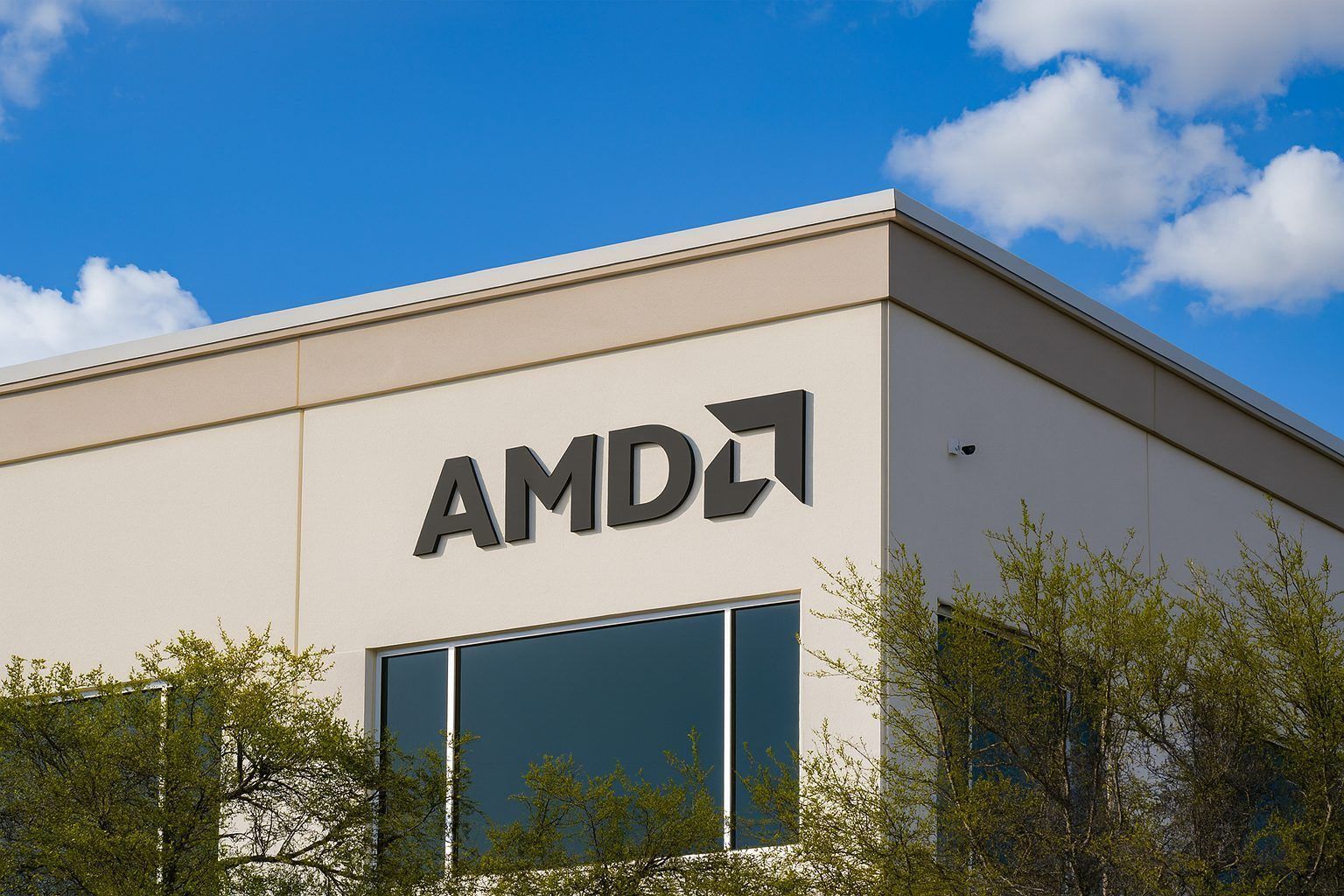
- AMD led early gains in AI chip stocks ahead of CEO keynotes at CES in Las Vegas.
- Foxconn posted record quarterly revenue on AI demand, while Samsung laid out a bigger “Galaxy AI” push tied to Google’s Gemini.
- Traders are watching CES headlines and Friday’s U.S. jobs report for the next shift in rate expectations.
Shares of Advanced Micro Devices rose 4.3% in premarket trading on Monday, leading early gains in AI chip stocks. Nvidia added 1.2% and Taiwan Semiconductor’s U.S.-listed shares rose 5.2%.
The move puts fresh attention on the AI hardware trade as the CES technology show gets underway in Las Vegas. Investors want clearer signals on product roadmaps and whether data-center demand is still expanding at a pace that justifies premium valuations.
The backdrop is uneasy. AI shares have been sensitive to any shift in interest-rate expectations, because higher bond yields tend to pressure long-duration growth stocks by raising the discount rate investors apply to future earnings.
CES gives chipmakers a high-visibility platform to set tone early in the year. Jensen Huang is scheduled to speak at an Nvidia press conference on Monday, while AMD said CEO Lisa Su will deliver the official CES keynote at 9:30 p.m. ET. CES
Overnight, AI demand signals came from the supply chain. Foxconn reported record fourth-quarter revenue, saying sales jumped 22.07% from a year earlier to T$2.6028 trillion ($82.73 billion), driven by strong demand for artificial intelligence products; the company is Nvidia’s biggest server maker. Reuters
AI demand also cropped up in consumer devices. Samsung Electronics plans to double the number of mobile devices carrying “Galaxy AI” features to 800 million units this year, largely powered by Google’s Gemini, its co-CEO said, while warning the company is not immune to a global memory chip shortage that can squeeze margins and raise device prices. Reuters
In early trading, the megacaps that bankroll much of the data-center buildout were mixed. Microsoft fell 2.2% and Meta slid 1.4%, while Alphabet rose 0.7%.
Investors are also weighing a growing concern that the AI buildout itself could keep inflation sticky, particularly through higher electricity and chip costs, which would complicate the case for rate cuts. “The costs are going up not down in our forecast, because there’s inflation in chip costs and inflation in power costs,” Morgan Stanley strategist Andrew Sheets said. Reuters
But the AI trade still faces a two-sided risk: a faster ramp in spending can tighten supply and lift costs, while any hint of capex—capital spending—pullback by cloud customers could hit chip demand quickly. A choppier rate outlook would add another pressure point, especially for names that have rerated sharply on AI expectations.