
London, January 12, 2026, 10:13 GMT — Regular session underway.
- Barclays shares dropped as concerns rise that a proposed U.S. cap on credit-card rates might choke off a crucial profit source
- The bank’s U.S. cards unit plays a significant role, making the stock vulnerable to shifts in U.S. policy news
- Traders await clearer signals from Washington and Barclays’ updates ahead of the Feb. 10 earnings release
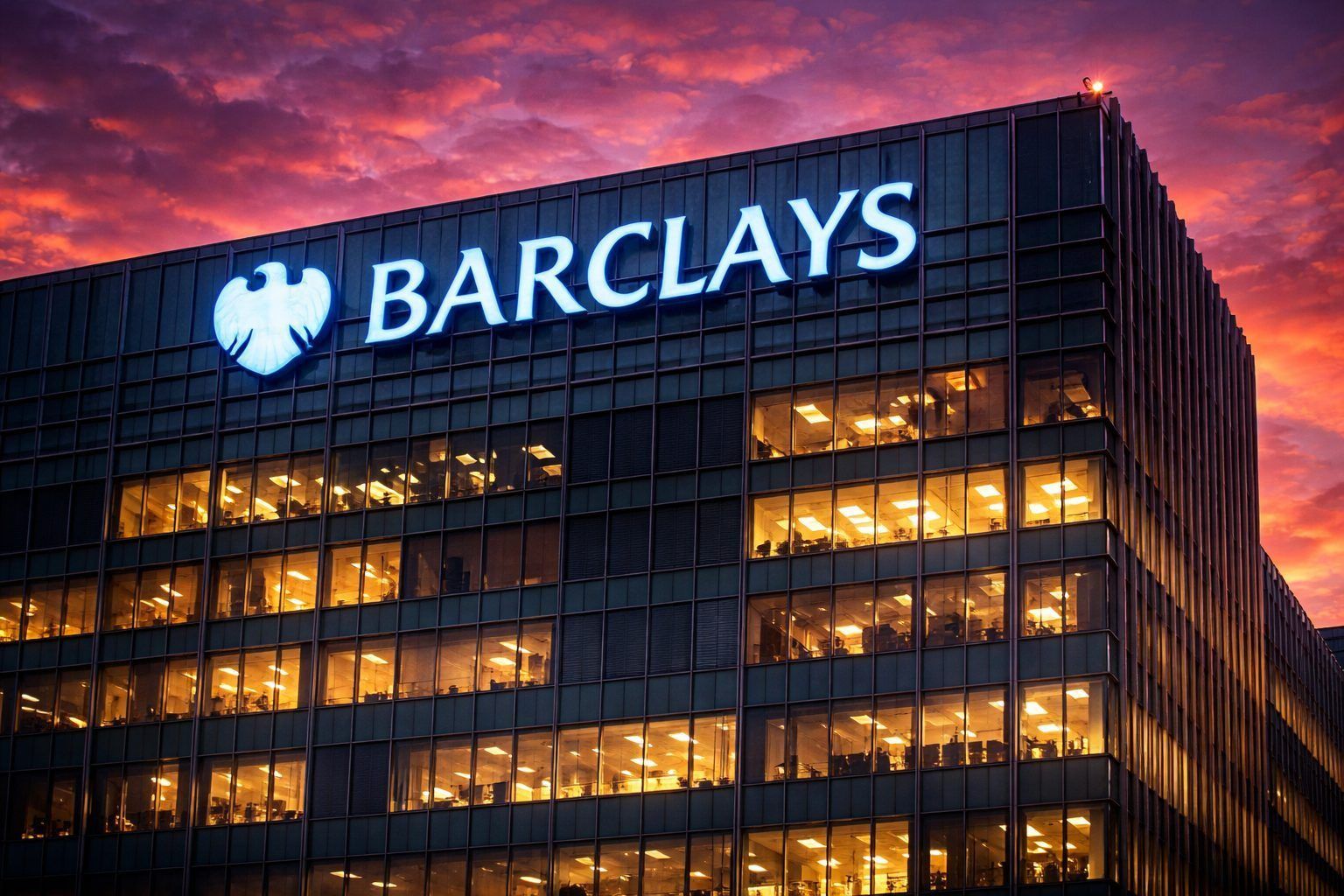
Shares of Barclays BARC.L in London dropped 3.5% on Monday following U.S. President Donald Trump’s push to cap credit card interest rates at 10%. Barclays’ U.S. card business ranks ninth in that market, accounting for roughly 11% of the group’s profits, said Matt Britzman, senior equity analyst at Hargreaves Lansdown.
The shift is significant as it pulls politics directly into consumer lending, a space known for high margins but also sudden regulatory shifts that can upend the numbers. For Barclays, U.S. credit cards have been a relatively straightforward growth driver, and investors dislike uncertainty around pricing.
On Friday, Trump proposed a one-year cap on credit card interest rates at 10%, effective Jan. 20, though he didn’t clarify enforcement details. Brian Jacobsen, chief economic strategist at Annex Wealth Management, warned in an email that “when companies can’t price the risk properly, they’ll just reduce credit lines or cut off access to credit entirely.” Reuters
Banking groups have cautioned that a hard cap could restrict credit access and drive borrowers toward “less regulated, more costly alternatives,” echoing a familiar stance from earlier debates on consumer-fee limits.
Barclays’ sell-off weighed heavily on the sector, pulling European bank shares down and dragging regional stocks lower. Investors remained jittery amid new tensions between the Trump administration and Federal Reserve Chair Jerome Powell, according to a Reuters report.
Barclays slid up to 4.8% at one point, marking its steepest intraday decline since Oct. 17, Bloomberg reported.
Shares of U.S.-listed card and payments companies dropped, with American Express sinking 4.4%. Visa and Mastercard each dropped close to 2%, according to Investing.com.
But this isn’t a one-sided issue. Trump didn’t specify if the cap would be imposed by executive order or through Congress. Banks warn that slashing rates could tighten credit, especially for riskier borrowers — those who currently pay the steepest annual percentage rates, or APRs.
On another front, major banks are revising their predictions for when the Fed will begin cutting rates—a move that affects how investors price banks’ net interest income, the gap between earnings and costs on funds. Barclays is one of the banks pushing its rate-cut forecast further into 2026, Reuters reported.
Barclays investors will be watching closely on Feb. 10, when the bank reports its full-year 2025 results and fields questions about the future of its U.S. cards business.
Related articles: Stock Market