New York, Jan 31, 2026, 13:58 EST — Market closed.
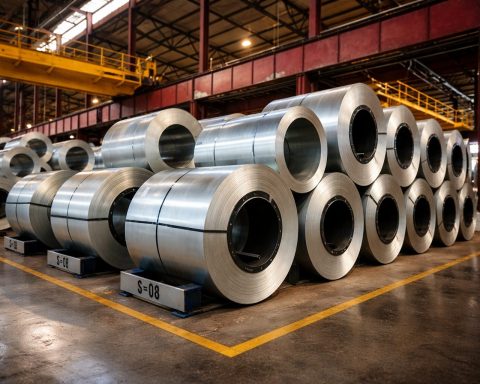
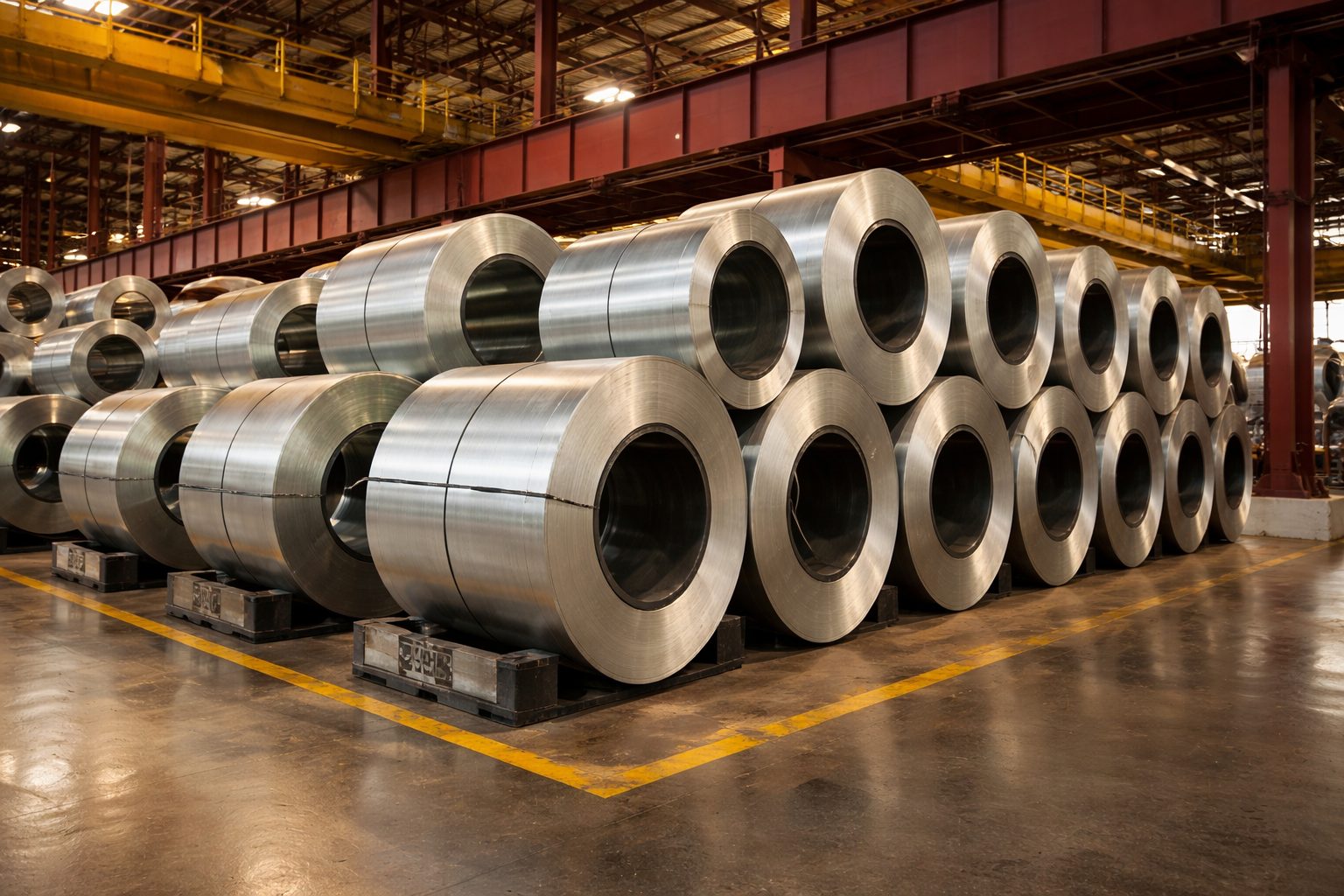
- U.S. basic materials stocks closed Friday as the S&P 500’s weakest sector, weighed down by miners amid falling metals prices.
- Gold, silver and copper tumbled sharply from record peaks, boosting chances of volatile swings in stocks tied to materials.
- Monday’s U.S. factory survey and Friday’s jobs report will drive traders’ bets on rates and demand.
U.S. basic materials stocks led the declines on Friday, with the S&P 500 materials index falling 1.9%. This slide mirrored a sharp pullback in metal prices, hitting U.S.-listed gold and silver miners particularly hard. Reuters
That’s crucial as February approaches, since the sector directly tracks commodity prices—and those have begun swinging wildly once more. When metals shift quickly, materials stocks often move even faster.
Monday’s setup feels more messy than straightforward. Investors are searching for evidence that demand remains strong, yet they also hope for lower rates—two goals that don’t always go hand in hand.
The Materials Select Sector SPDR Fund ended at $49.27, dropping roughly 1.5%, data showed. Newmont took a hit, tumbling 11.5%, Freeport-McMoRan slipped 7.5%, but Air Products gained 6.4%. Investing.com
Metals took a sharp dive. Spot gold plunged 4.7% to $5,143.40 an ounce, while silver tumbled 11% to $103.40. Copper on the London Metal Exchange dropped 1.1% to $13,465 a ton after hitting a record just the day before. Ross Norman remarked that precious metals had “discovered gravity.” Ole Hansen from Saxo Bank described gold and silver as “ripe for a correction,” and Alice Fox at Macquarie warned that copper was “very crowded.” Reuters
In the U.S., Donald Trump put forward Kevin Warsh to head the Federal Reserve once Jerome Powell’s term wraps up in May, prompting investors to reconsider the policy outlook. Brian Jacobsen at Annex Wealth Management described Warsh as “an independent thinker, not a puppet of the President.” Futures markets remain on track for two rate cuts this year, with the next likely coming in June. Reuters
Friday’s inflation figures offered little relief for those hoping for rate cuts. The Producer Price Index (PPI), which tracks prices businesses receive, climbed 0.5% in December—above forecasts, according to Reuters. Veronica Clark of Citigroup noted she expects “more slowing in details of services inflation into 2026,” though she warned price hikes early in the year are typical. Reuters
Demand signals from China weakened over the weekend. The official purchasing managers’ index (PMI) — which marks expansion above 50 — slipped to 49.3 in January from 50.1 in December. The non-manufacturing PMI also fell, hitting 49.4. Ting Lu at Nomura warned Beijing will “have to do much more” in the months ahead to keep growth above 4.5% this year. Reuters
The trade outlook is complicated. According to a Reuters analysis, China shipped nearly 800,000 metric tons of refined copper in 2025, despite its net imports dropping to a multi-year low. At the same time, exports to the United States climbed, influenced by tariff concerns and shifting regional premiums. Reuters
For companies, the chemicals sector feels more like a slog than a bounce back. LyondellBasell posted an unexpected quarterly loss and announced a goal to slash $1.3 billion in costs by the end of 2026. The firm is grappling with unstable feedstock prices and soft demand, especially across Europe. Reuters
Air Products delivered an uncommon bright spot on Friday, reporting gains in both profit and revenue for its fiscal first quarter driven by higher sales prices. CEO Eduardo Menezes described the results as “a strong start to the fiscal year,” according to the Wall Street Journal. The Wall Street Journal
The risk scenario for materials is straightforward. With the dollar holding strong and metals continuing to fall, miners and chemical producers could face swift margin pressure. Just one bad data release might trigger another wave of rapid selling.
The next major data point arrives quickly: the Institute for Supply Management’s Manufacturing PMI report is set for release at 10:00 a.m. ET on Monday, Feb. 2. Then, on Feb. 6, traders will get the monthly U.S. jobs report, a key driver of rate expectations and, in turn, the trajectory of metals and basic materials stocks. We Are Ism