New York, Jan 8, 2026, 09:46 (EST) — Regular session
- BigBear.ai shares rose in early trade after a steep drop in the prior session tied to an analyst downgrade
- Investors are weighing potential dilution from a Jan. 16 redemption of $125 million in convertible notes
- A Jan. 22 shareholder vote on doubling authorized shares could shape the company’s financing options
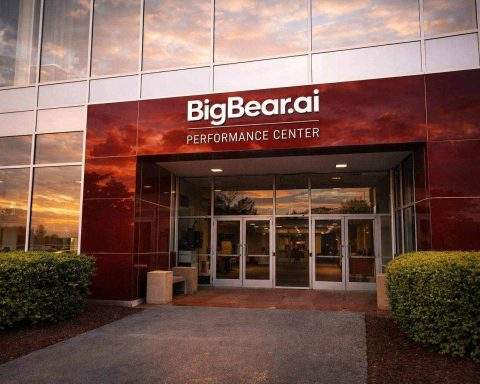
BigBear.ai Holdings, Inc. (BBAI) shares rose 2% to $6.11 in early New York trading on Thursday, recouping part of the prior session’s slide after Cantor Fitzgerald cut its rating. The stock fell 6.6% on Wednesday and ended at $5.99.
The downgrade comes as investors focus on the company’s plan to clear a large piece of convertible debt. BigBear.ai said it has called for redemption of its 6.00% convertible senior secured notes due 2029 on Jan. 16, and expects to settle “substantially all” of that amount through conversions into stock rather than cash. It said it expects to issue about 38 million shares, lifting the public float — the shares available to trade — even as it cuts note-related debt to about $17 million; CEO Kevin McAleenan called the move an “important step” to improve financial flexibility. ir.bigbear.ai
Cantor downgraded the stock to Neutral from Overweight and lowered its price target to $6 from $7, flagging “GTM challenges and margin pressures,” according to Investing.com. In a separate report carried by TheFly, Cantor analyst Jonathan Ruykhaver pointed to execution risk tied to “lumpy” government contracts and noted revenue was down 20.1% year on year in the third quarter. investing.com+1
Shareholders have another near-term catalyst on the calendar. A proxy filing showed BigBear.ai will reconvene its special meeting on Jan. 22 to seek approval to increase authorized common shares to 1 billion from 500 million, after earlier adjournments to solicit additional votes. The board said the extra headroom could support financing, retention awards and other corporate moves.
At around $6, BigBear.ai’s market value is roughly $2.6 billion. The stock is about 42% below its 52-week high of $10.36, but more than double the $2.36 low, according to Finviz data.
What matters next is the mechanics. Traders will watch how much of the $125 million converts ahead of the Jan. 16 redemption and whether any holders push the company toward cash repayment, even if management has said it does not expect a material cash outlay.
But the setup carries risk. A bigger float can weigh on a thinly supported rally, and a failed vote on authorized shares could limit flexibility if the company needs to tap equity markets again, especially with margins and contract timing still under scrutiny.