
New York, May 2, 2026, 11:05 EDT
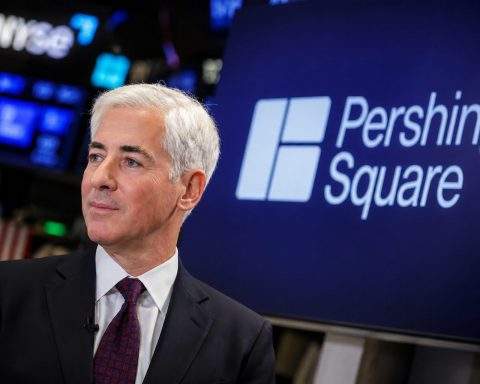
Pershing Square Inc. clawed back above its IPO price for early buyers, after stumbling alongside the Pershing Square USA fund’s rocky start. By Friday, Pershing Square Inc. changed hands at $37.99, with Pershing Square USA quoted at $42.80. That pegs the combined IPO package at roughly $50.40 per $50 fund share purchased.
This isn’t just about a single security. Holders of Pershing Square USA, the closed-end fund, picked up an extra perk: for every five shares in the fund, they got one share of Pershing Square Inc. That manager stock turned out to be a big swing factor for early IPO buyers. On Friday, Bloomberg reported that factoring in those free manager shares, investors in the $5 billion fund eked out a modest gain for the week.
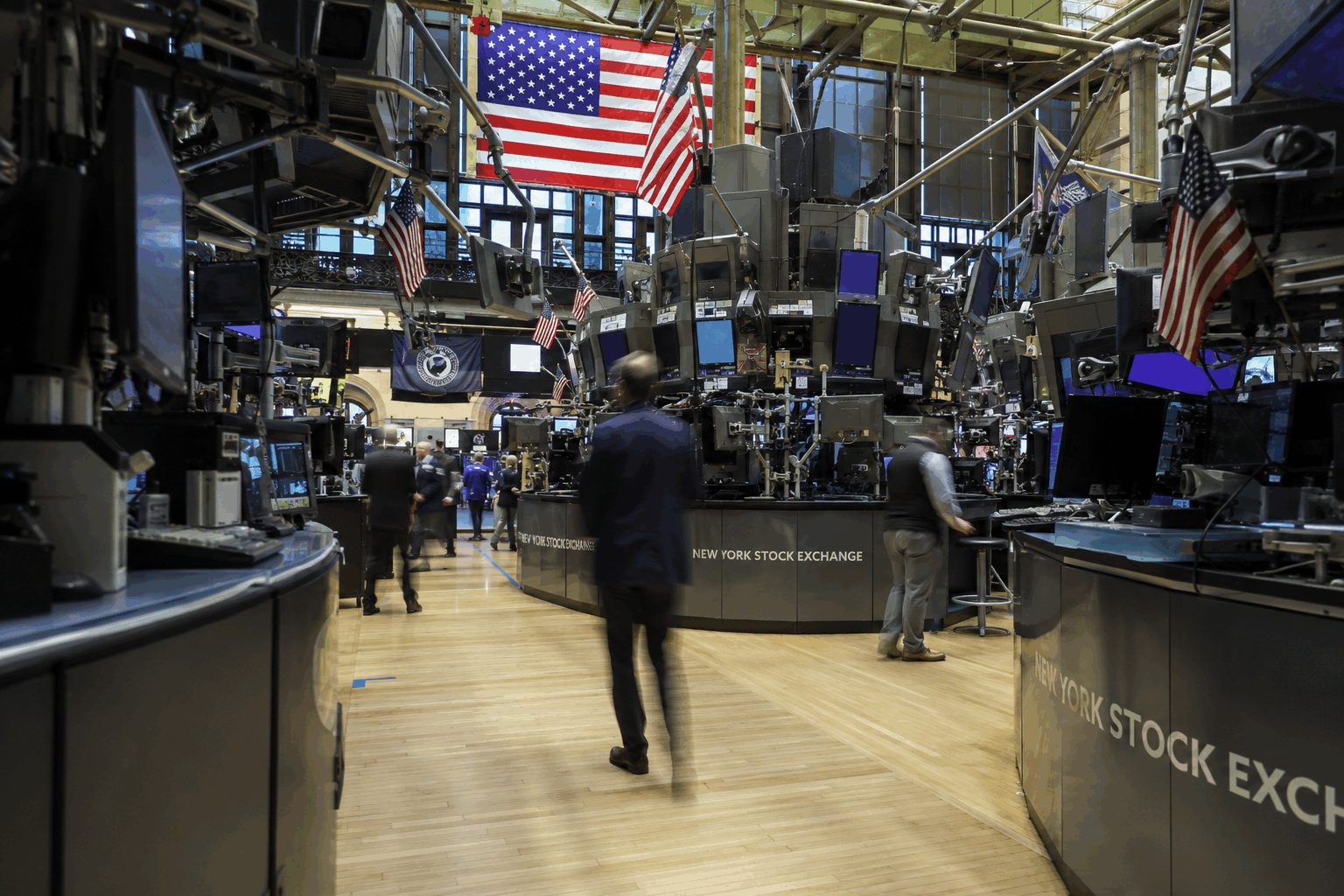
Pershing Square wrapped up its combined IPO and private placement, landing $5 billion in gross proceeds for Pershing Square USA, excluding fees and expenses. Trading in the fund and Pershing Square Inc.—the parent for Pershing Square Capital Management—kicked off on the New York Stock Exchange on April 29, listed under PSUS and PS.
That first trade didn’t go smoothly. Pershing Square Inc. shares kicked off at $24 on Wednesday; PSUS started trading at $42, a decent gap below its $50 IPO price. Reuters figured buyers picking up 0.2 PS shares for every PSUS share found their opening combo valued at $46.80—still under the IPO mark.
Closed-end funds, unlike mutual funds, have a set number of shares and don’t let investors cash out every day at portfolio value. That setup provides managers with steady capital, but the shares themselves often end up trading at prices below net asset value (NAV)—essentially, what’s left after liabilities are subtracted. The PSUS prospectus flagged this risk: closed-end funds commonly trade at discounts to NAV, and if holders prefer just one piece of the combined deal, selling could pick up.
Ackman pointed the finger at retail investors for the first-day slide, saying they piled into the IPO too aggressively, then got forced to dump shares. “Retail investors don’t know how to invest in IPOs,” he told foreign journalists on Thursday, according to Reuters. He added that he and Pershing Square staff had put up about $500 million in cash for PSUS. Reuters
He dialed it back afterward. Ackman posted on X, “did not blame retail investors,” clarifying he was just outlining how the allocation works. Elsewhere, he disclosed picking up 500,000 PSUS shares and 800,000 PS shares on the open market, pointing out that PSUS was trading below its approximate $49 per-share cash value. X (formerly Twitter)
The move shifts the economics for Pershing Square Holdings, Bill Ackman’s longer-standing London-listed vehicle. The fund said it will now see its performance fees trimmed by 20% of management fees collected by the investment manager from certain Pershing Square funds—PSUS among them—that don’t themselves levy performance fees. Ackman claimed PSH shareholders stand to “benefit from reduced performance fees.” Chairman Rupert Morley, for his part, argued that fees from PSUS could “help produce higher long-term returns.” Pershing Square Holdings, Ltd.
Competition extends well beyond Ackman. Big players like Blackstone, Apollo Global Management, and KKR have leaned into semi-liquid and evergreen products, targeting wealth platforms to pull in more money from individual investors. Ackman, on the other hand, is taking a distinct tack: putting NYSE-listed shares in a focused public-equity fund—and the fee-generating manager running it—out in the open.
Here’s the catch: PS’s rebound doesn’t clear away the longstanding headache for closed-end funds. PSUS remains below its $50 offer price. Where it trades next will hinge on the fund’s holdings, how liquid those assets are, and if investors are willing to tolerate a structure that can drift from NAV. To put it simply, the manager’s shares have propped up the bundle for the moment, but the fund hasn’t convinced the market just yet.