NEW YORK, December 30, 2025, 03:06 ET
An 82-year-old and 84-year-old Nebraska couple were scammed out of $250,000 after imposters posing as Amazon and the FBI pushed them to pay through bitcoin ATMs, Western Union transfers and Apple cards, the Lancaster County Sheriff’s Office said. The office said the couple began paying in August after being told they owed $200,000 on a compromised Amazon account and did not report the loss until Dec. 17. https://www.1011now.com
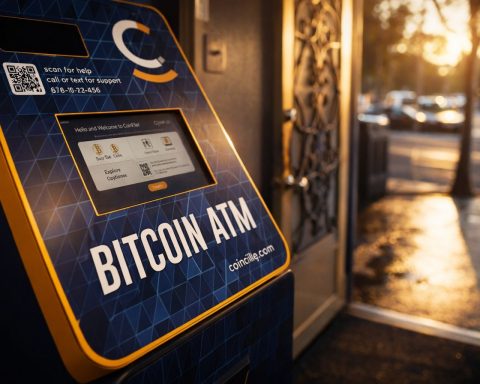
The case adds to a growing list of fraud schemes that steer victims to cryptocurrency kiosks — machines often found in convenience stores and gas stations that convert cash into digital currency and send it to a “wallet,” an online account that stores cryptocurrency.
State and federal officials have been issuing alerts and collecting complaints as scammers lean on the speed of crypto transfers, which are typically hard to reverse once the money is sent.
Complaints citing cryptocurrency ATMs or kiosks surged 99% in 2024 from a year earlier, with 10,956 complaints and $246.7 million in losses, according to the FBI’s Internet Crime Complaint Center, or IC3. People over 60 reported $107.2 million of those losses, the report showed.
In Kentucky, Louisville resident Mary Ellen Strange said scammers stole $400,000 after callers impersonating Amazon and the Federal Trade Commission persuaded her to hand over cash and cryptocurrency over seven weeks, WLKY reported. AARP Kentucky volunteer state president Gary Adkins said crypto kiosk payments can be impossible to trace: “It goes into the machine, and it disappears.”
Minnesota Attorney General Keith Ellison has urged residents to complete an online survey about their experiences using cryptocurrency ATMs, including which company’s machine they used and whether someone directed them to the kiosk, InForum reported. Inforum
Mississippi Secretary of State Michael Watson last week warned residents about increasing bitcoin ATM scams and urged consumers to avoid unexpected calls and links and to slow down before moving money, the Daily Leader reported. Daily Leader
Fraud cases tied to crypto kiosks often start with an unsolicited call, email, or pop-up that claims an account has been compromised, then escalate into demands for secrecy and rapid payment.
The FBI’s IC3 data show complaints citing crypto kiosk use have been linked to a mix of schemes, including government impersonation and tech-support fraud, where criminals claim to be officials or corporate representatives to pressure victims into moving money.
Regulators have also stepped up scrutiny of some operators. Washington, D.C. Attorney General Brian Schwalb sued Athena Bitcoin in September, alleging that 93% of deposits to its machines in the district were linked to scams and that the company profited from hidden fees, his office said.
Consumer advocates and law enforcement officials say a key red flag is being told to pay through a bitcoin ATM, wire transfer, or gift cards, especially when the caller insists the matter is urgent or secret.