Houston, Feb 10, 2026, 05:40 CST
- As scam reports tick up, U.S. lawmakers and city officials are considering stricter regulations for crypto kiosks.
- FBI officials stress that acting fast matters—crypto transfers are tough to unwind once they’re set in motion.
- Operators, along with consumer groups, want tighter ID checks, more visible warnings, and tougher limits in place.
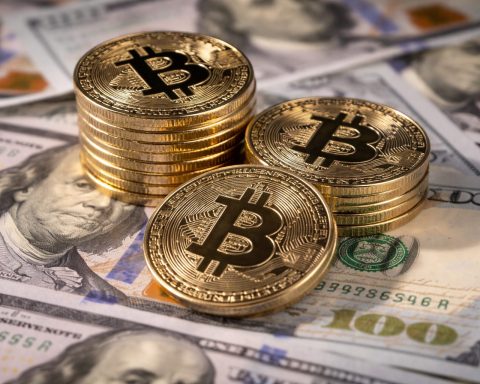
Scrutiny of cryptocurrency kiosks—commonly known as bitcoin ATMs—is ramping up across U.S. states and cities, with officials and consumer advocates flagging a surge in scams. The warning: fraudsters are pushing victims toward these machines, making it easy for cash to vanish within minutes.
It’s crunch time for victims, as these scams are easy to launch and tough to reverse. Fraudsters, pretending to be police, IRS, or bank security, hit targets by phone and insist there’s an urgent issue—fix it, they say, by depositing cash at a kiosk and transferring it straight into a digital wallet, an online account for cryptocurrency.
Americans were hit with more than $333 million in losses from bitcoin ATM scams in 2025, according to the FBI, and the total kept climbing through November as these kiosks popped up across the country.
Houston investigators have found that scammers often guide victims, step by step, to deposit funds at kiosks inside convenience stores or gas stations—sometimes keeping them on the phone the entire time. Cindy Quintanilla, a forensic accountant working with the FBI’s Virtual Asset Unit, summed it up in the report: “With crypto, money is in the control of another person in another country in 5 minutes.” KPRC
Victims aren’t seeing dramatic rescues—the initial steps are straightforward. Houston consumer reporters say you should reach out to the kiosk operator right away, file a report with police, alert your bank if you pulled out cash, and log a complaint with the FBI’s Internet Crime Complaint Center (IC3), which monitors internet-related scams.
Policy moves are scattered. In at least 15 states, bills would force kiosk operators to register, display risk warnings, and put anti-scam measures in place. Meanwhile, some local officials are pushing for full bans, a Tuesday report from Kiosk Marketplace shows.
AARP is urging lawmakers to frame the kiosk debate as a matter of consumer protection, not just cybercrime. Speaking at a press conference in West Virginia, state director Gaylene Miller called fraud “a kitchen table issue” and warned that the kiosks have become “a favorite tool for criminals.” theintermountain.com
Legal troubles are mounting for operators as well. Back in September, the District of Columbia’s attorney general filed suit against Athena Bitcoin, alleging the firm pocketed hidden fees and didn’t enforce proper anti-fraud protections. According to the office, company data revealed that scams were linked to 93% of deposits during Athena’s first five months in the District.
Some remain skeptical about whether bans would make a difference. “The kiosks themselves are not the scam,” Caleb Johnstone, a senior SEO specialist at Australian digital marketing agency Paperstack, wrote in an email interview quoted by Kiosk Marketplace. He pointed out that scammers would just move targets to different channels.
Meriem Aousaji, chief marketing officer at AI visibility optimization firm Algomizer, described bans as “a reactive measure that addresses the tool, not the tactic,” according to the report. She supported requiring on-screen education ahead of major transactions.
Still, regulators face a catch: push too aggressively and scams might just shift elsewhere — popping up on wire services, gift cards, or peer-to-peer crypto exchanges instead of disappearing. And despite fresh regulations, enforcement often trails behind. Many victims, shaken or embarrassed, may not come forward in time either.
Law enforcement and consumer advocates have hammered the same point: real officials won’t ever ask you to pay using bitcoin ATMs. If you get a pressure-filled call, your best move is to hang up—then track down a verified number on your own and take your time checking things out.