SINGAPORE, Feb 5, 2026, 15:23 SGT
- Bitcoin edged down toward the key $70,000 mark, with traders citing renewed risk aversion and concerns over tightening liquidity.
- As the dollar strengthened and investors factored in easing geopolitical tensions, oil and metals slipped lower.
- Thin trading pushed prices in crypto, commodities, and major currencies to swing more sharply.
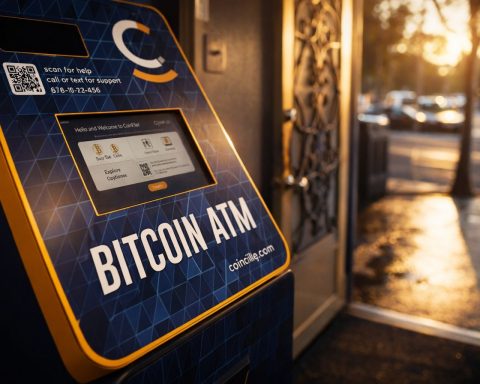
Bitcoin teetered just above $70,000 on Thursday, slipping over 3% in Asian hours to $70,052.38—its lowest mark since November 2024. Ether also dipped, down nearly 2% to $2,086.11. The crypto selloff deepened this week, with bitcoin shedding more than 7% and now off close to 20% year-to-date; ether has dropped nearly 30%. “The market fears a hawk with him,” noted Manuel Villegas Franceschi from Julius Baer. Deutsche Bank analysts pointed to U.S. spot bitcoin ETFs pulling more than $3 billion in January outflows, following around $2 billion and $7 billion in December and November, respectively. Reuters
The $70,000 level stands as a key psychological barrier for crypto traders. A clear break below it can spark liquidations—forced closures of leveraged positions—that push selling further. Speed plays a crucial role here. With thin liquidity, prices may leap between levels rather than move steadily through them.
The dollar climbed to a two-week peak, the U.S. dollar index edging up 0.1% to 97.762 as investors braced for interest-rate announcements from the European Central Bank and Bank of England. “There’s a bit of risk aversion coming through,” noted Sim Moh Siong, currency strategist at OCBC in Singapore. Reuters
Risk aversion has been hitting commodities hard. Silver slumped nearly 15% on Thursday. Gold, crude oil, and copper also slid about 2%, following a thaw in U.S.–China and U.S.–Iran tensions that took some of the geopolitical premium out of prices, Reuters reported. “Talks between Iran and the United States appear to be back on track, which has removed some of the geopolitical premium from commodity markets, particularly oil,” said IG analyst Tony Sycamore. OCBC strategist Christopher Wong added that losses were feeding off each other “amid thin market liquidity.” Reuters
Earlier this week, March WTI crude, the U.S. oil benchmark, dropped $3.27, or 5%. At the same time, March RBOB gasoline futures, a key U.S. wholesale blendstock contract, fell about 4.6%, according to Barchart data from Nasdaq. The decline was tied to a stronger dollar and reduced Middle East tensions after President Donald Trump said the U.S. was in talks with Iran, while Iran’s foreign ministry expressed hope that diplomacy would prevent war. The report also pointed to rising Venezuelan crude exports—800,000 barrels per day in January, up from 498,000 in December—as another factor weighing on prices. Nasdaq
This week’s “Crypto Currents” note pointed to a risk-off tone, driven by macro worries and a hawkish Fed chair nominee, sending money into traditional safe havens like gold. It noted bitcoin had “sharply decoupled” from the tech rally as leverage got flushed out. SwingTradeBot
Before the recent drop, Crypto Adventure’s Feb. 3 snapshot had bitcoin near $78,688, up roughly 2.2% that day but down almost 11% over the past week. Ether was listed around $2,344, falling nearly 20% over seven days. The blog noted bitcoin’s dominance—its share of total crypto market value—hovered near 57.6%, suggesting funds remained with top tokens even as smaller coins saw bigger swings. It also flagged that liquidation waves can widen spreads and spur further forced selling. Crypto Adventure
InteractiveCrypto reported on Feb. 3 that the Crypto Fear & Greed index stood at 17, signaling “Extreme Fear.” Bitcoin was trading close to $78,745, with dominance at 57.6%. The total crypto market cap hit roughly $2.73 trillion, while 24-hour trading volumes reached $177.43 billion.
Markets remain fixated on one key factor: liquidity. If Bitcoin dips below $70,000, it could trigger another wave of crypto liquidations. Any unexpected move from central banks—or changes in Fed balance sheet outlooks—might also shake the dollar’s hold over risk assets. As for oil, diplomatic efforts can ease price pressures, but new supply concerns in the Middle East would swiftly push risk premiums higher.