
BEIJING, May 15, 2026, 20:07 CST
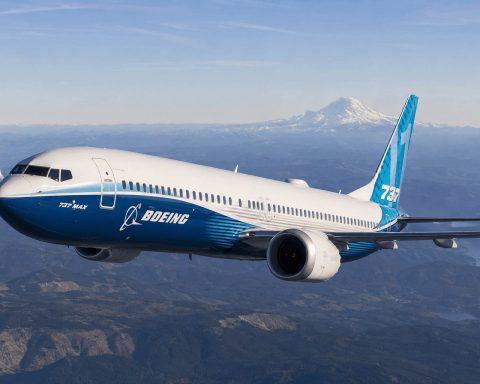
- President Donald Trump said China has agreed to purchase 200 Boeing jets, and could potentially commit to as many as 750 planes.
- Boeing shares looked set to drop roughly 4.7% ahead of the U.S. open, with investors reacting to the difference between the announced order and hopes for something bigger.
- Should the deal go through, it would represent Boeing’s first significant order from China in close to ten years.
Boeing finally saw movement on a major China order this day, though the news landed with some bumps. President Donald Trump announced China would buy 200 Boeing jets, with a potential cap at 750 planes. That larger figure surfaced only after investors had already pulled back on the shares, let down by the first, smaller headline.
The order carries weight, with China having mostly barred Boeing from the world’s second-biggest aviation market following years of trade friction with the U.S. This lands as Boeing works to convert increased orders and deliveries into more reliable cash flow after extended challenges with safety, output, and its balance sheet.
Boeing stock traded at $229.21 ahead of the New York open, slipping $11.31, or roughly 4.7%, in premarket action, market data showed. A 200-jet announcement landed, sure, but investors had already been bracing for something on the scale of a blockbuster order—so the shares took a hit.
After talks with Chinese President Xi Jinping, Trump told Fox News that Xi planned to buy “200 jets” — Trump called them “200 big ones.” Details like which models and when they’d be delivered weren’t immediately available, according to Fox Business. Fox Business
That missing detail isn’t minor. For any Boeing order, investors want to see customer identities, specific aircraft, delivery timing, and contract terms—otherwise, it’s tough to tell when the deal will hit revenue. Most of the money only comes in once deliveries happen.
Trump pointed out that GE Aerospace stands to benefit from the China agreement, since the planes will be powered by General Electric engines. According to Reuters, GE Aerospace CEO Larry Culp was spotted leaving the headquarters of China’s state planner in Beijing. Both Culp and Boeing CEO Kelly Ortberg were among the U.S. business leaders traveling with Trump.
Even so, the order didn’t reach the roughly 500 Boeing 737 MAX jets discussed, nor did it include the potential additional widebody planes, according to Reuters. Airbus—Boeing’s top commercial competitor—has engaged in talks for a China deal of comparable scale and has led Boeing in Chinese deliveries since 2018.
Chinese aircraft deals tend to have diplomatic strings attached, and the actual buyer might stay under wraps until delivery approaches, BNP Paribas aerospace analyst Matt Akers told Reuters. “It’s possible we still get more orders this trip, but right now investors are interpreting this as being less than hoped for,” he said. Reuters
Boeing’s timing isn’t ideal, but it’s hardly bleak. The company reported 135 net new orders in April, pushing its adjusted total for the year’s first four months to 284. That’s Boeing’s best opening stretch since 2014. Still, Airbus outpaced it with 405 orders in the same window. For deliveries, Boeing handed over 47 commercial jets in April; 34 were 737 MAXs, while six were 787s.
Boeing’s first-quarter report put the spotlight on volume. Revenue climbed to $22.2 billion, with net loss trimmed to $7 million. The company’s backlog hit a new high at $695 billion, counting over 6,100 commercial jets. Boeing kept 737 output steady at 42 each month and projected certifications for the 737-7 and 737-10 in 2026, targeting first deliveries the following year.
Prediction markets weren’t buying it just yet. Over on Polymarket, the contract pricing for a China Boeing aircraft purchase linked to the Trump-Xi summit hovered between 49% and 51%. Traders were watching for clear word from China or a Chinese company by May 22, per market rules. That split likely points to the gap between Trump’s comments and actual confirmation from Beijing.
The catch here: headlines may be moving faster than the actual paperwork. Details weren’t out right away, according to Reuters. Analysts pointed to Beijing’s control over airline deals—if there’s any holdup, a shift toward smaller jets, or China doesn’t confirm, the short-term gain dims. For Boeing, it’s not just about a splashy political deal. What really matters is rejoining China’s order stream before Airbus captures another big chunk of future fleet expansion.
Related articles: NYSE:BA