NEW YORK, January 1, 2026, 08:11 ET — Market closed
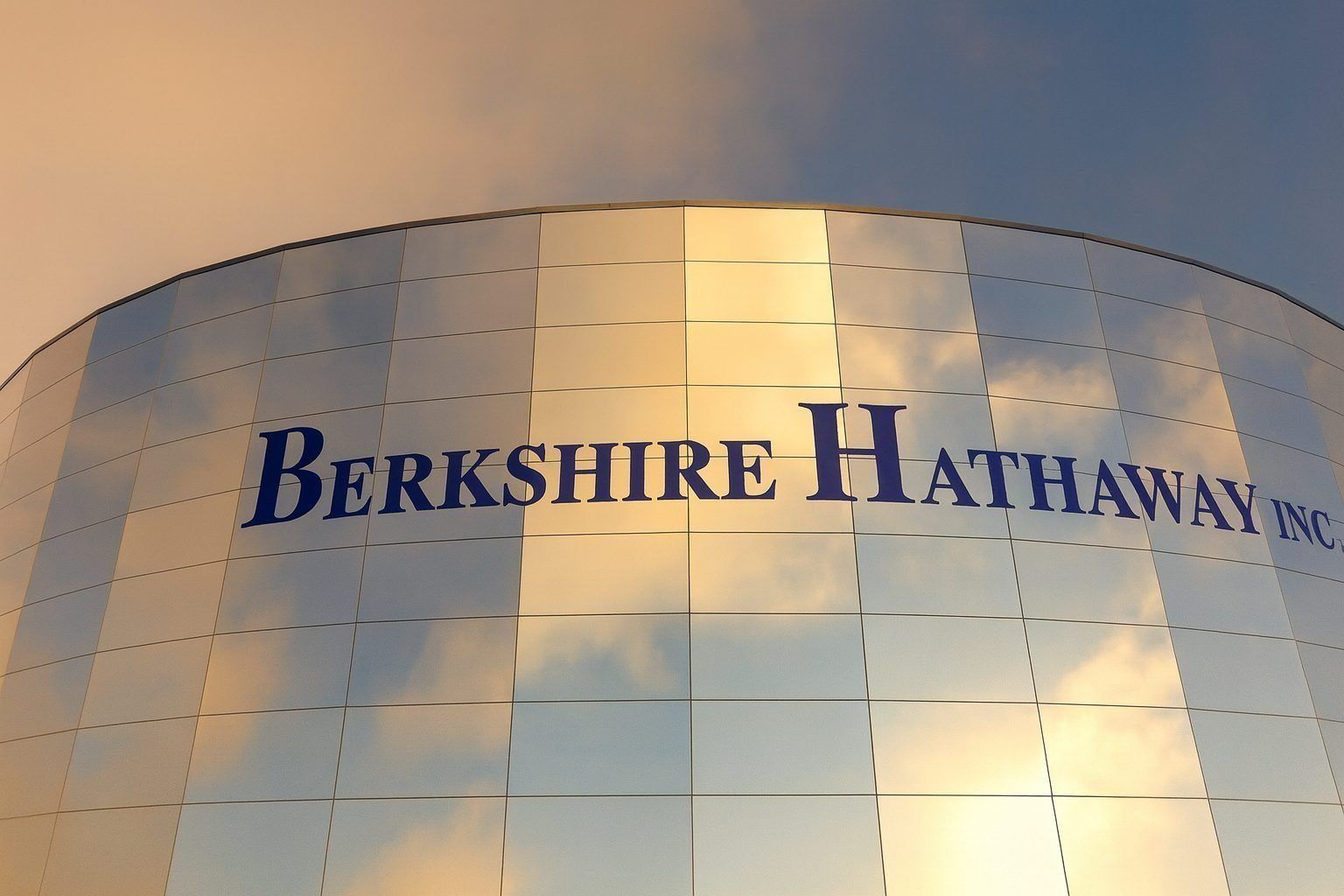
Berkshire Hathaway’s Class A and Class B shares closed slightly lower on Dec. 31, Warren Buffett’s final day as chief executive, before vice chairman Greg Abel takes over on Jan. 1. Class A shares slipped $600, or 0.1%, to $754,800 and Class B shares fell $1.06, or 0.2%, to $502.65. Berkshire ended September with $381.7 billion of cash and equivalents and a $283.2 billion stock portfolio led by Apple and American Express, and it has not said who will run that portfolio after Todd Combs left for JPMorgan Chase. Reuters
That transition is one of the biggest handovers on Wall Street, removing the CEO title from the investor who became Berkshire’s decision-making center of gravity for decades. The market reaction was restrained, but the questions are not.
Abel inherits a sprawling set of businesses and a balance sheet that gives him room to wait for opportunities or move quickly when markets dislocate. Investors will judge him on capital allocation — plain English for how he spends the company’s money — and on whether Berkshire’s trademark patience survives a change at the top.
U.S. equities markets are closed on Thursday for New Year’s Day, and Berkshire will next trade when the NYSE reopens on Friday. The holiday pause means the first market verdict on Abel’s CEO era comes a day late. New York Stock Exchange
Buffett, 95, will remain chairman and has signaled he plans to keep showing up. “I’m not going to sit at home and watch soap operas,” Buffett said, according to People. People
Abel is best known inside Berkshire for running operations rather than picking stocks, having overseen non-insurance businesses for years. Berkshire’s model is deliberately decentralized, leaving most day-to-day decisions with unit managers.
The company’s earnings engine spans Geico insurance, the BNSF railroad and a long list of manufacturing, energy and retail businesses. Its insurance “float” — premiums held before claims are paid — has long supplied investment capital.
With interest rates still central to investment income, the return on cash matters more than when yields hovered near zero. Investors will also watch for share repurchases, or buybacks, which reduce the share count and can lift per-share results when management believes the stock is undervalued.
Berkshire’s slight decline in the final session of 2025 contrasted with a broader market drop, leaving the shares little changed by the handover itself. Over Buffett’s tenure, Berkshire has outpaced the S&P 500 by a wide margin, but its sheer size makes finding needle-moving deals tougher.
Before the next session, traders will look for demand around BRK.B near the $500 mark, a round-number level many investors track. Any sharp early move would likely reflect positioning rather than a sudden change in Berkshire’s underlying businesses.
Abel’s first major public checkpoint is Berkshire’s annual shareholder meeting in Omaha on May 2, where investors will look for clues on how he frames the company’s priorities. The meeting has historically been the company’s most important stage for discussing strategy. Berkshire Hathaway
Beyond Berkshire-specific questions, investors will watch early-2026 economic data and Federal Reserve signaling for the rate path. That matters because Berkshire’s insurance operations and cash-heavy balance sheet can benefit when short-term returns rise.