December 25, 2025 is shaping up to be a telling snapshot of where premium flying is headed: fully enclosed suites and smarter sleep tech at the top end, and a widening “middle premium” tier where airlines experiment with new cabins, paid upgrades, and fresh ways to monetize comfort.
Across travel and aviation coverage published today, the theme is clear: business class in 2025 isn’t just about lie-flat beds anymore. It’s about privacy, productivity, personalization, and consistency—plus a growing ecosystem of upgrades that airlines increasingly sell rather than give away.
Below is what’s driving the business-class arms race right now, which airlines are setting the pace, and the newest developments breaking on 25.12.2025.
The new definition of “best business class” in 2025: privacy + sleep + work (not just space)
For years, the benchmark was simple: a lie-flat seat. In 2025, that’s table stakes. What premium travelers are increasingly paying for (and what airlines are designing around) includes:
- Suite-style privacy: sliding doors, higher walls, and fewer sightlines from the aisle
- Better sleep engineering: improved bedding, lighting strategies, quieter cabins, and more ergonomic lounging positions
- Real in-flight productivity: reliable power, strong Wi‑Fi, storage that keeps work setups tidy, and surfaces you can actually use
- Premium personalization: flexible layouts for couples, families, and colleagues; pre-ordered dining; and more intentional cabin “flow”
This shift is visible in today’s coverage that places Qatar Airways and Singapore Airlines at the center of the 2025 business-class conversation—two very different philosophies aimed at the same end goal: turning the aircraft seat into a private, functional space.
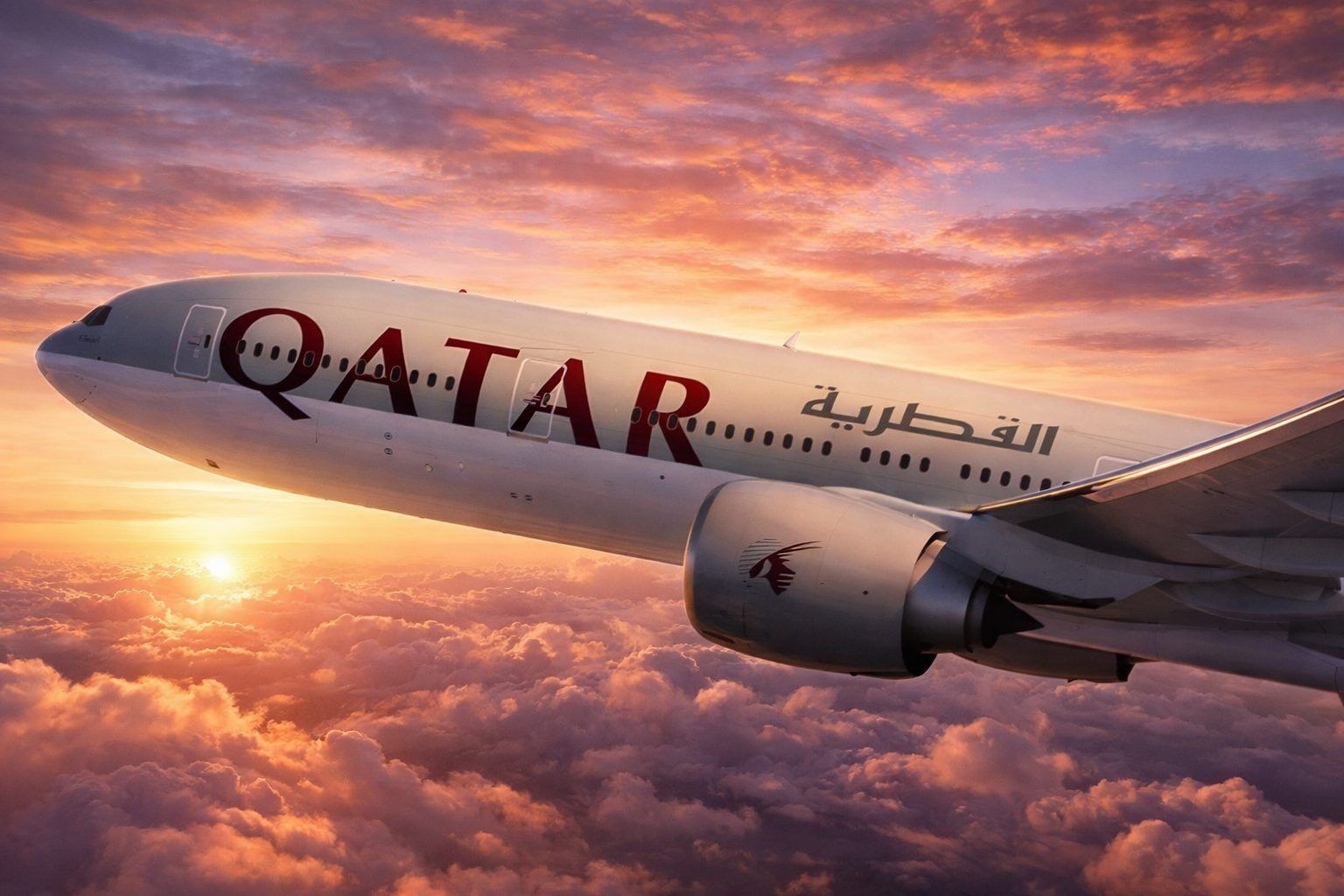
Qatar Airways in 2025: Qsuite still sets the privacy benchmark
In today’s business-class landscape, Qatar Airways’ Qsuite remains the product many competitors measure themselves against, largely because it popularized a true “room in the sky” feeling for business class.
Today’s reporting highlights Qsuite’s defining features:
- Fully enclosed suites with sliding doors (privacy once associated with first class)
- A fully flat bed designed for long-haul rest
- Configurations that can convert into a double bed for two or a four-seat “quad” setup for groups traveling together
- A work-friendly setup with space, power, and connectivity built in
That combination—privacy, flexibility, and usability—has become the blueprint.
What matters for travelers in practical terms is that “Qsuite” is not guaranteed on every Qatar flight, even on the same route. Aircraft swaps happen, and cabin refits roll out unevenly. So the smartest way to “book the seat, not the airline” is still: confirm aircraft type and seat map at booking and again close to departure.
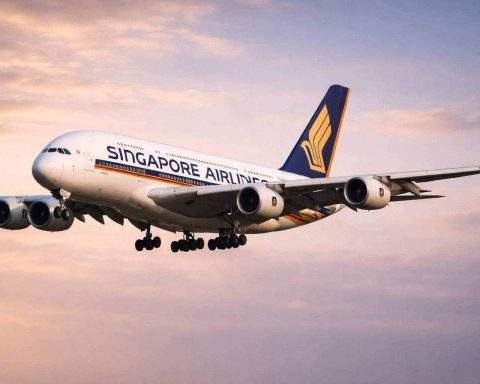
Singapore Airlines in 2025: bigger, more ergonomic comfort—and premium dining control
Singapore Airlines approaches “best business class” differently. Instead of going all-in on enclosed suites across the board, its modern long-haul business class has leaned into sheer space, ergonomics, and refinement, paired with one of the strongest service reputations in global aviation.
In today’s coverage, Singapore’s differentiators include:
- Extra-wide seating on major long-haul aircraft types
- Cabin design focused on comfort and functionality, not just visual drama
- Strong in-flight entertainment and connectivity expectations
- A signature premium dining advantage: “Book the Cook”, which allows pre-ordering select meals on many routes
The throughline: Singapore Airlines sells a business-class experience designed to feel calm, spacious, and highly polished—particularly for travelers who plan to work and sleep, not just “try the newest thing.” Travel And Tour World
And importantly for 2025–2026: the airline has also publicly discussed long-term investment in cabin upgrades, signaling that its premium strategy is built for the next decade—not just a seasonal refresh.
Today’s roundups point to a familiar elite set: Qatar, Singapore, ANA, Cathay
Two widely shared “what’s best right now” editorial trends surfaced in today’s travel reading:
- A fresh airline list naming standouts like Qatar Airways, Singapore Airlines, All Nippon Airways (ANA), and Cathay Pacific among top-tier business-class seat experiences going into 2025.
- A separate year-end style roundup focused on the most exciting business-class upgrades travelers should be watching.
Even without perfect agreement on rankings, the repeated presence of those same carriers reflects what frequent premium flyers tend to reward: consistent hard products, high service standards, and a cabin design that actually supports sleep.
What’s new today: the premium story isn’t only about international business class anymore
While “best business class” headlines often focus on long-haul flag carriers, the most actionable news on 25.12.2025 may be the expansion of premium cabins and upgrades outside the traditional long-haul business-class bubble.
1) JetBlue moves deeper into premium with a new domestic first class
JetBlue—long defined by strong economy value and its Mint business class on select routes—is now pushing premium further into the core domestic market.
Published today, JetBlue’s plan is to introduce a new domestic first-class product in 2026, described as a “Mini Mint” or “Junior Mint” cabin positioned between economy and Mint. The reporting indicates:
- The cabin targets aircraft that don’t already have Mint
- The seat style is described as recliner-style, aimed at comfort rather than lie-flat
- Rollout timing starts in mid‑2026, with a phased retrofit approach
- The move is framed as a strategic play to attract higher-value travelers on short- and medium-haul routes
This matters because it underscores a bigger 2025 reality: airlines are building more “premium layers,” giving travelers more ways to pay for comfort—without stepping all the way up to international business class. Travel And Tour World
2) STARLUX upgrades Singapore service with an A350 featuring First Class and a strong business cabin
Another premium headline landing today: STARLUX is set to redeploy its Airbus A350-900 on the Singapore route from March 29, 2026, bringing back a four-class aircraft configuration that includes First Class.
Key seat-and-cabin details highlighted in today’s reporting include:
- A350-900 layout: 4 First Class, 26 Business, 36 Premium Economy, 240 Economy
- Business Class: 1‑2‑1 layout, privacy doors, fully flat beds, and 4K screens with Bluetooth audio
- First Class suites described with privacy doors, storage, and large-format screens
Whether you’re booking business or premium economy, this signals how competitive major Asia routes are becoming: premium differentiation is increasingly built into aircraft assignment and cabin density, not just onboard service.
3) Turkish Airlines launches a paid Business Upgrade offer on select routes
Not all premium news is about new seats. Some of today’s most direct “how it affects travelers” developments are about upgrade mechanics.
Published today, Turkish Airlines introduced a Business Upgrade service on the Ashgabat–Istanbul and Istanbul–Ashgabat routes, valid December 25, 2025 to January 8, 2026, with an upgrade price cited at USD 315, subject to availability.
This is a clear example of an industry-wide trend: airlines increasingly market upgrades as a time-boxed product—not a rare favor or a loyalty surprise.
The uncomfortable truth surfacing today: free upgrades are disappearing
One of the most pointed takes published today is that complimentary upgrades—especially on U.S. carriers—are no longer the reliable elite perk they once were, as airlines prioritize selling premium seats (even cheaply) over giving them away.
The argument is straightforward: if carriers can monetize unsold premium inventory, they will. That reality shows up in:
- More frequent app-based offers for paid upgrades
- More dynamic pricing for premium cabins
- Fewer “day-of departure” surprises for status members
The practical implication for travelers is simple: if you care about a premium seat, assume you’ll need to buy it—either with cash, points, or a targeted upgrade offer—and treat free upgrades as an occasional bonus, not a plan.
What this means if you’re booking business class in 2025–2026
If you’re planning premium travel now, the smartest strategy is less about chasing a brand name and more about booking the exact experience you want.
Do this before you pay business-class prices
- Verify aircraft type and seat map (even for the same flight number across seasons)
- Look for 1‑2‑1 layouts on long haul if direct aisle access matters to you
- If privacy matters, prioritize cabins with doors or at least high staggered shells
- If you’ll work, prioritize power access, storage, and Wi‑Fi reputation over aesthetics
Expect more “premium tiers” on shorter routes
JetBlue’s domestic first-class push is part of a larger shift: many airlines are building intermediate cabins that feel meaningfully better than economy, but aren’t lie-flat business class. For travelers, this can be the sweet spot—especially when priced as a modest step up rather than a 3x–5x fare jump.
Bottom line: on December 25, 2025, the business-class race is accelerating—and expanding
Today’s news cycle reinforces three big truths about premium air travel right now:
- Qatar Airways and Singapore Airlines remain centerpieces of the “best business class” conversation—one pushing suite-style privacy, the other delivering spacious refinement and service-led luxury. Travel And Tour World
- The premium battle is spreading beyond long-haul flagships, with carriers like JetBlue adding new domestic premium cabins and airlines like STARLUX upgrading competitive routes with higher-end aircraft.
- Upgrades are increasingly treated as a priced product, not a loyalty perk—so travelers should plan accordingly and buy the experience they want.
In other words: 2025 is the year business class becomes less uniform, more personalized, and more commercialized—with privacy doors, 4K screens, better sleep design, and a growing menu of paid ways to sit (and sleep) better.
If you want, I can also rewrite this in a more “wire-service” news style (tighter, faster, more neutral tone) while keeping it SEO-friendly and Discover-ready.