
Ottawa, May 1, 2026, 15:04 EDT
- Canada plans to set up a Financial Crimes Agency armed with police authority, targeting sophisticated fraud, money laundering, and criminal proceeds.
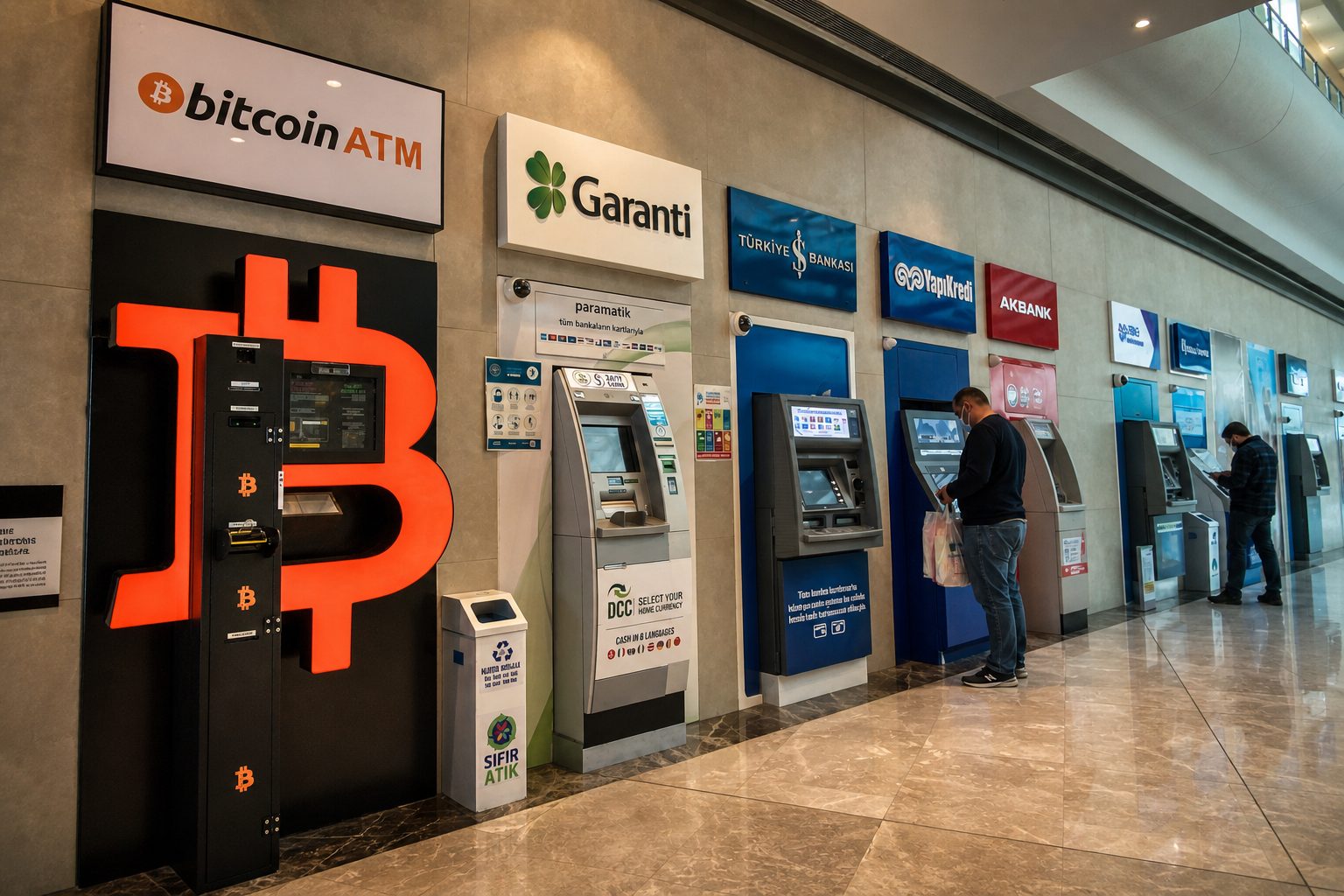
- Ottawa is moving to ban crypto ATMs, arguing the machines have turned into conduits for scammers and criminal cash flows.
- Canadians lost over C$704 million to fraud in 2025, according to official reports, though authorities caution the actual number is probably higher.
The Canadian government is moving ahead with legislation to set up a federal Financial Crimes Agency and is also calling for a ban on cryptocurrency ATMs. It’s among Ottawa’s toughest stances so far targeting fraud, money laundering, and the flow of illicit funds.
That timing is deliberate. Fraud losses reported by Canadians hit C$704 million in 2025 and have crossed C$2.4 billion since 2022, according to the Spring Economic Update. The report also notes just 5% to 10% of fraud aimed at consumers actually gets reported.
Canada could soon have a standalone federal agency to hunt down and confiscate illicit funds—a responsibility that’s currently scattered among police, prosecutors, and financial intelligence staff. Bill C-29 remains at second reading in the House of Commons, after its initial reading back on April 27, according to Parliament records.
The bill outlines a Financial Crimes Agency tasked with probing financial crimes and pursuing recovery of illicit gains. Its scope reaches offences involving financial assets—digital assets included—as well as financial services and markets, the text shows.
Ottawa plans for the agency to answer directly to the finance minister, combining police authority under civilian leadership. Headquarters will sit in the National Capital Region, though regional offices are also on the table. Funding-wise, the proposal calls for C$352.7 million spread across five years, then a yearly C$82.1 million after that.
The crypto ATM ban lands as the sharper part of the new measures. According to the economic update, authorities see these machines as a “primary method” both for scammers targeting victims and for criminals looking to launder cash. Still, Canadians aren’t cut off completely: buying virtual currencies at brick-and-mortar money services businesses remains on the table. Budget Canada
Money services businesses—MSBs for short—cover companies handling money transfers, currency swaps, or digital payments. In March, FINTRAC, Canada’s financial intelligence unit, pulled the registrations of 84 MSBs. Ottawa also plans to give FINTRAC expanded authority to reject or revoke registrations and step up criminal record checks.
With this proposal, Canada edges toward the approach taken by other regions cracking down on crypto ATM operators following fraud allegations. Just last month, Connecticut’s banking regulator hit Bitcoin Depot with a money transmission licence suspension, PYMNTS reported. Over in Massachusetts, litigation has focused on alleged scam activity through kiosks. Bitcoin Depot, for its part, has pushed back against accusations that it enables fraud.
Experts are casting the new agency as an attempt to close a persistent enforcement gap. “A meaningful investment,” is how Jessica Davis—ex-Canadian intelligence analyst and now head of Insight Threat Intelligence—described the move to The Guardian. FINTRAC’s C$45 billion in flagged transactions? According to Davis, that figure might be off in either direction, since Canada still doesn’t have a complete handle on the scale of financial crime. The Guardian
Michael Ecclestone, partner at The AML Shop, called the move “a big deal by any standard” in comments to Global News, but he flagged that real progress hinges on Ottawa’s speed in recruiting and training both officers and civilian specialists. “It takes a very skilled workforce to operate in concert,” he said. Global News
There are boundaries here. Bill C-29 hands federal prosecutors the option to step in on select financial-crime cases—those that span provinces, cross borders, or touch the national interest. Even so, the agency won’t operate solo; provincial police, the RCMP, FINTRAC and local prosecutors remain in the mix. What happens next will hinge on how coordination, hiring, and choosing cases are handled. That’s what will make the difference between a sharp enforcement tool and just more bureaucracy.
Transparency International Canada threw its support behind Bill C-29, arguing that an independent agency empowered to probe financial crimes and claw back illicit gains could prove a real deterrent. Salvator Cusimano, the group’s executive director, told The Guardian that close coordination with other enforcement and regulatory agencies will be essential “if it is to achieve its potential.” transparencycanada.ca
Related articles: Cryptocurrency








![UK Stock Market Today 29/08/2026 [UPDATE: 08:49 BST] [Weekly Recap + Week Ahead: Midcaps Lead Before Bailey and Gilt Auction]](https://ts2.tech/wp-content/uploads/2026/08/UK-market-dashboard-2026-08-29-0843-480x384.jpg "UK Stock Market Today 29/08/2026 [UPDATE: 08:49 BST] [Weekly Recap + Week Ahead: Midcaps Lead Before Bailey and Gilt Auction]")