
NEW YORK, April 30, 2026, 13:55 EDT
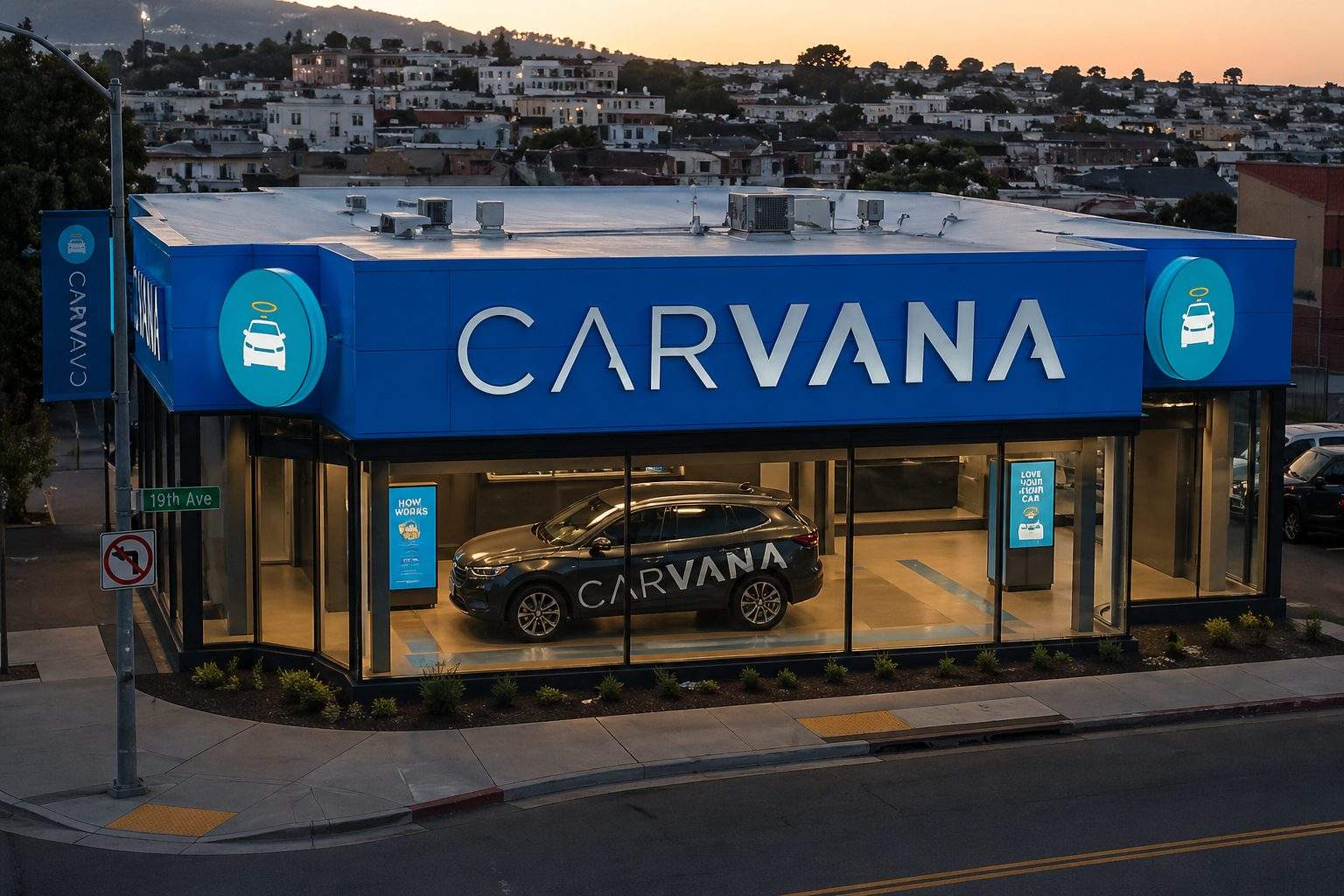
Carvana Co. shares lost ground Thursday afternoon, giving up early gains. The online used-car retailer had reported its highest-ever first-quarter sales and profit, though margin pressure resurfaced in the results.
This shift is key: Carvana no longer has to convince investors that demand is out there. Now, the spotlight turns to whether the company can expand and still keep decent margins per car. U.S. consumers, squeezed by new car sticker shock—Reuters pegs the average new vehicle near $50,000—keep fueling the secondhand market.
Carvana moved 187,393 retail vehicles in the quarter through March 31, marking a 40% jump from the same stretch last year. Revenue increased 52% to $6.432 billion. Net income hit $405 million. Adjusted EBITDA, which excludes certain items, landed at $672 million, according to the company.
Founder and CEO Ernie Garcia called it Carvana’s “sixth consecutive quarter” with retail unit growth hitting 40% or higher. For the second quarter, the company projects both retail units sold and adjusted EBITDA to increase quarter over quarter—provided market conditions don’t shift. Carvana Investors
Carvana shares slipped 1.8% to $389.39 by 1:40 p.m. EDT, off their $412 open and an earlier peak of $439.53. That put the company’s market cap near $57.7 billion, with shares changing hands at about 45 times earnings.
The sticking point turned out to be unit economics. Carvana’s total gross profit per retail unit slipped to $6,783, compared with $6,938 in the same stretch last year. On a non-GAAP basis, that metric landed at $6,911, down from $7,140, according to a filing.
Chief Financial Officer Mark Jenkins told analysts non-GAAP retail gross profit per unit slipped by $58, pointing to increased non-vehicle expenses and a drop in shipping fees as the main drivers. Jenkins added that wholesale price increases hadn’t yet flowed through to retail, compressing the spread between dealer acquisition costs and selling prices.
Carvana’s been working to resolve a reconditioning snag that pushed up costs late last year. Garcia pointed to new staffing tools, improved paint-line flow, and tighter productivity tracking as making a difference. He said labor efficiency in April came “just shy” of Carvana’s historical high across its network. Investing.com
Still, Wall Street didn’t shy away. JPMorgan bumped up its Carvana price target to $465 from $455 and maintained its overweight call, while also hiking EBITDA projections for 2026 and 2027, according to Investing.com.
UBS bumped its target to $520 from $485, pointing to stronger retail gross profit per unit and improved unit trends, The Fly reported. BTIG’s new target is $485; the firm highlighted retail gross profit per unit topping both its estimate and consensus.
The numbers highlighted an even starker divide with CarMax, the big used-car chain. Earlier this month, CarMax booked a quarterly loss—blaming a goodwill charge and softer demand for used cars. According to Reuters, retail gross profit per used vehicle dropped to $2,115, down from $2,322 a year before.
But the risks aren’t hard to spot. Carvana, in its filings, lays out continued exposure to things like reconditioning limits, swings in vehicle prices, financing expenses and deals with related parties—DriveTime service and warranty contracts among them. As of March 31, the company listed $35 million owed to related parties and a tax receivable agreement liability of $2.2 billion.
There’s a stock split decision on the table, too. Carvana’s board signed off on a 5-for-1 forward split, still pending a shareholder vote on May 5. If approved, shares will start trading on a split-adjusted basis under the CVNA ticker on May 7.
Related articles: Stock Market