Strata Skin Sciences (SSKN) Stock Surges on Laser-Therapy Breakthrough – Buy, Hold or Sell?
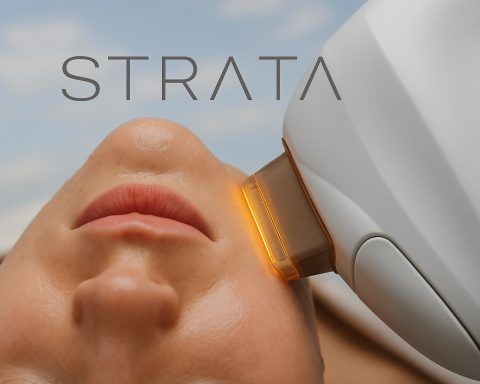
Strata’s XTRAC® excimer laser (pictured above) is a targeted UVB therapy device used to treat localized skin conditions like psoriasis, vitiligo, and eczema biospace.com globenewswire.com. By customizing UV dose to each patient’s lesion, XTRAC spares healthy skin and enables precision treatment (often via a fee-per-treatment partnership model rather than equipment sales) globenewswire.com biospace.com. Company Background STRATA Skin Sciences, Inc. is a medical tech company specializing in dermatologic treatments. Its core product is the XTRAC® 308nm Excimer Laser – a handheld UVB laser used in doctors’ offices to zap diseased skin with high-intensity, targeted light. XTRAC is FDA-cleared for conditions like