
The Internet Frontier: How Bolivia Is Connecting from the Peaks to the Stars
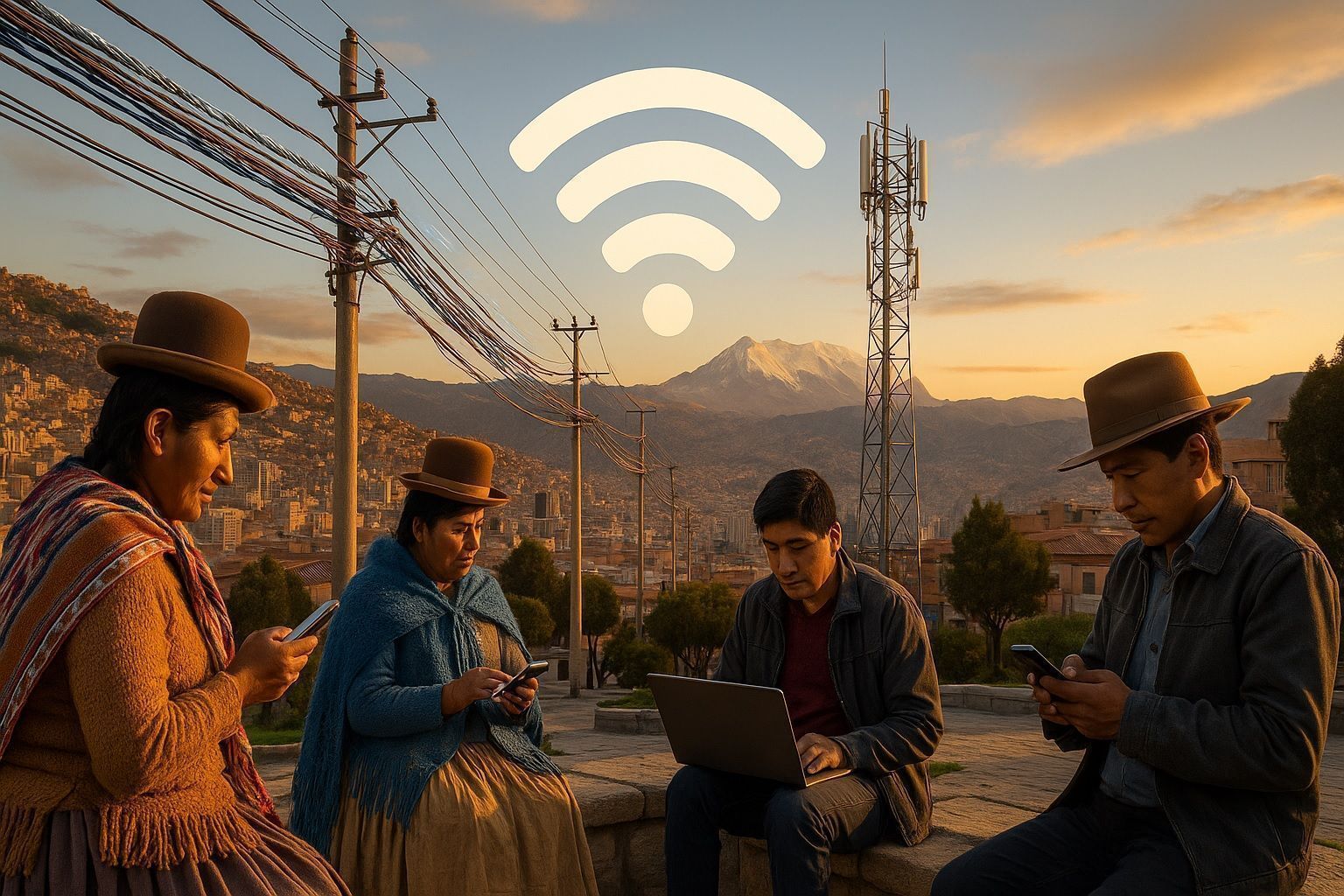
Bolivia’s quest to bridge its digital divide is a story of geography and innovation. This landlocked nation – with sky-high Andean peaks and remote Amazonian villages – faces unique challenges in expanding internet access. The government and telecom providers have had to lay fiber across rugged terrain, beam signals from satellites, and extend mobile towers to connect communities. As of 2025, internet penetration in Bolivia has grown rapidly, yet connectivity remains uneven between bustling cities and isolated rural areas. The following report explores Bolivia’s internet infrastructure, providers, affordability, policies, usage statistics, and recent developments that are shaping how Bolivians connect from the mountaintops to the satellites above.
Company hubNASDAQS:MIC.ST
MIC.ST (MIC.ST) Stock News & Analysis
Follow the latest MIC.ST (MIC.ST) company news, earnings coverage and investor analysis from TechStock².
Save this hub to your TS2 Signalbook account.
- Latest update
- Articles in this hub
- 1
- Last 30 days
- 0
What investors are watching
- Earnings, guidance and financial performance
- Valuation, trading activity and market sentiment
- Strategy, catalysts and company-specific risks
TechStock² Updates