Browse Category

Technology News 10 March 2025 - 12 April 2025

Thailand’s High-Speed Internet Revolution: 5G, Fiber, and the Battle to Bridge the Digital Divide

Thailand’s High-Speed Internet Revolution: 5G, Fiber, and the Battle to Bridge the Digital Divide

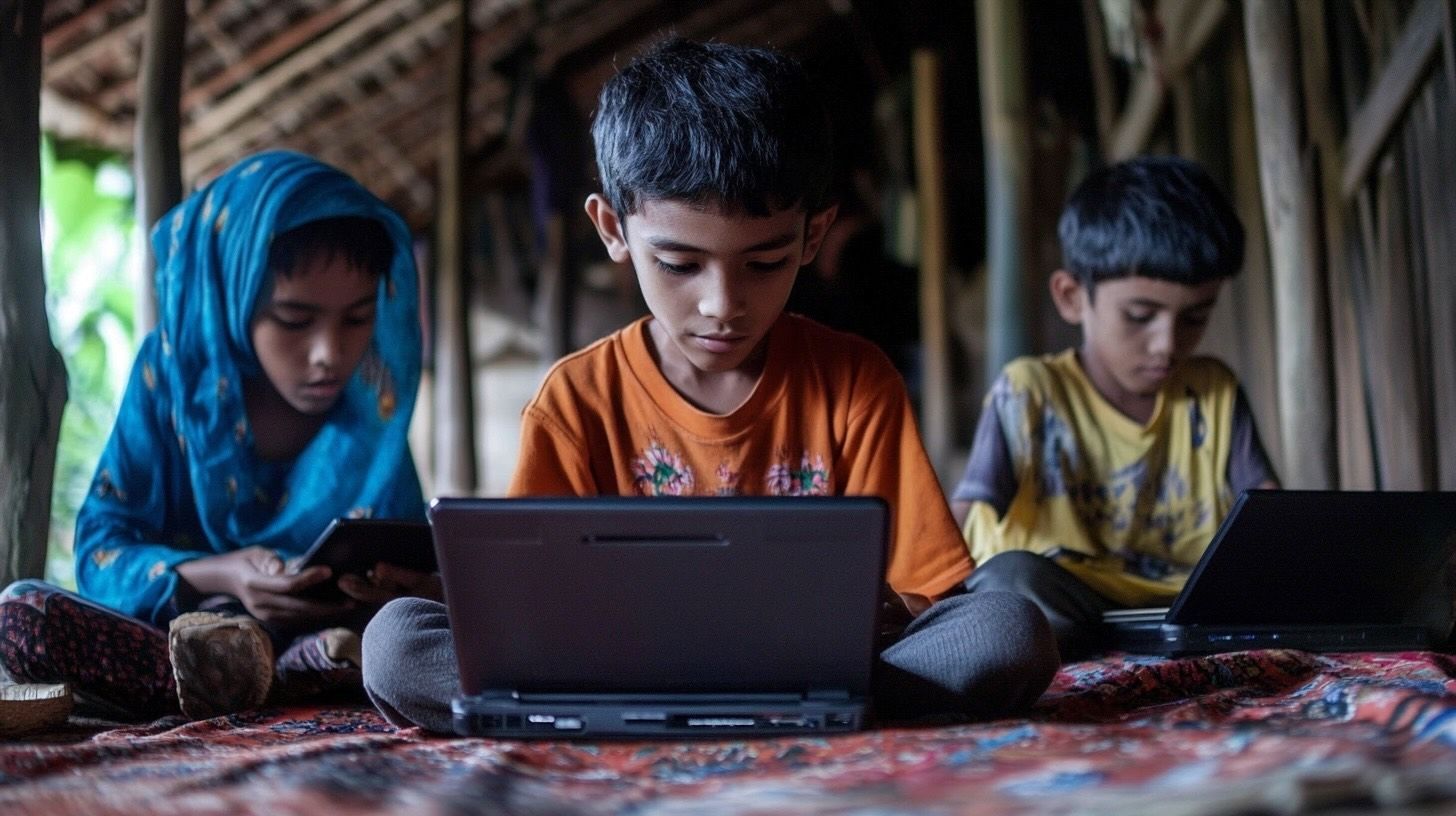
Thailand connected to the international Internet in the late 1980s and moved to full TCP/IP by 1992. In 2004, unmetered flat-rate broadband plans were introduced, spurring rapid broadband growth from 2005 onward. The Net Pracharat Village Broadband Internet project extends high-speed internet to over 75,000 villages. Thailand’s fixed broadband ranking rose from 34th in 2018 to 11th fastest globally by January 2024. By 2022, about 21.3 million households in Thailand had fixed broadband, nearly doubling from 2016. In late 2023 AIS acquired fixed ISP 3BB and its fiber assets, becoming the largest fixed broadband provider with about 4.7 million subscribers

Wi-Fi on Everest, Firewalls in Lhasa: Inside Tibet’s Internet Revolution

Wi-Fi on Everest, Firewalls in Lhasa: Inside Tibet’s Internet Revolution

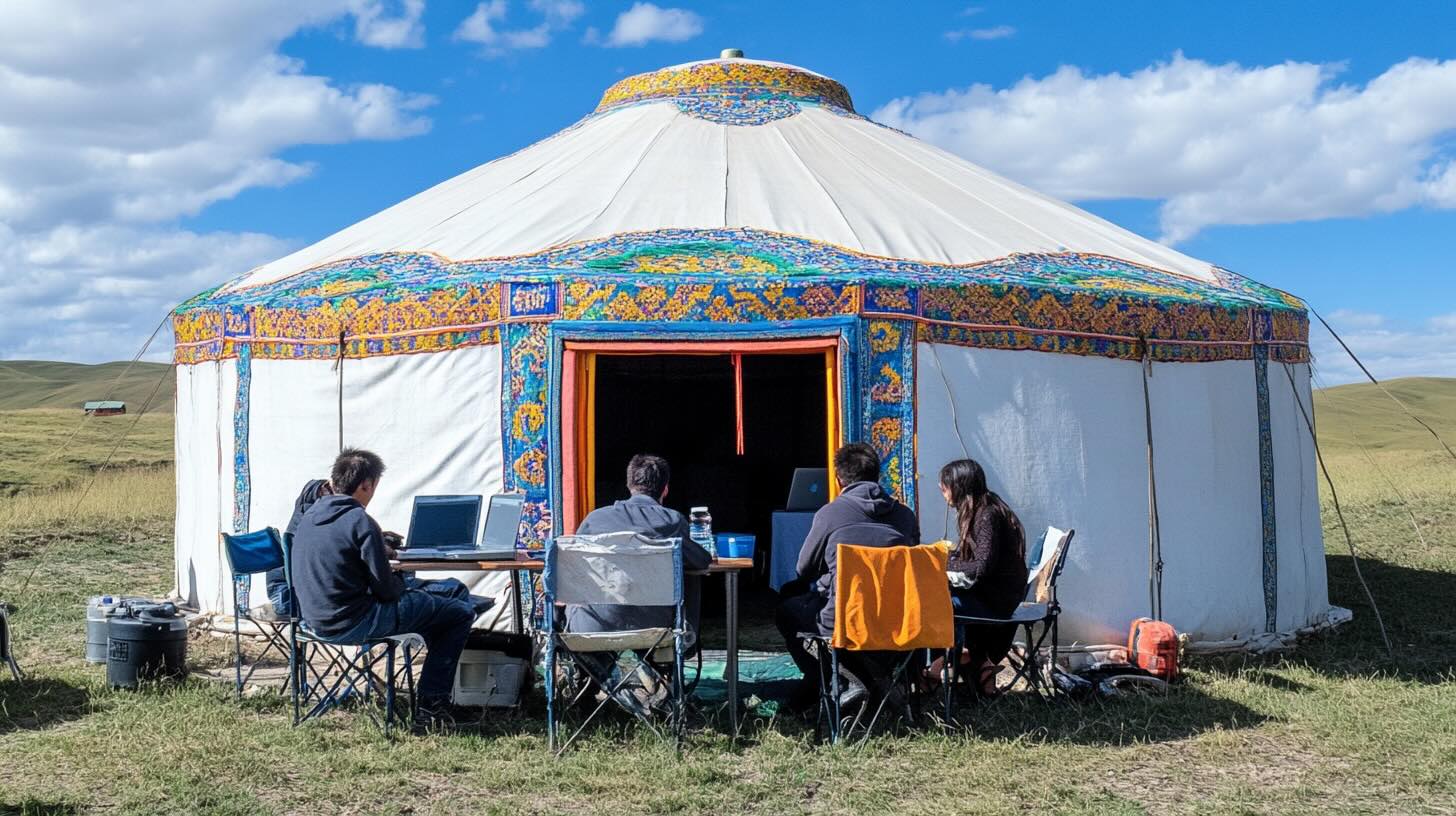
A China Mobile 5G base station was installed at Mount Everest base camp at 6,500 meters in 2020, making it the world’s highest 5G site. By 2019, more than 98% of Tibet’s villages had fiber‑optic broadband and 4G mobile coverage due to government investment. By 2018, government universal service projects connected over 5,000 villages with broadband across Tibet. End of 2019 Tibet had about 50,000 mobile base stations, rising to 60,500 by late 2022. By 2023, 5G network coverage extended to all towns in Tibet. By November 2022 Tibet had 1.28 million fixed broadband internet users, with 98% of those
12 April 2025
High-Speed Himalayas: Inside Nepal’s Race to Connect Every Peak and Village

High-Speed Himalayas: Inside Nepal’s Race to Connect Every Peak and Village

Nepal’s mobile market is led by Nepal Telecom with about 57% share, Ncell around 36%, and Smart Telecom about 6%. WorldLink Communications is the largest fixed broadband ISP with 972,781 subscribers as of 2024, roughly 30% of Nepal’s fixed broadband connections. FTTH subscribers surpassed 2.5 million in January 2023 and reached about 2.89 million by late 2024, with home plans typically 20 Mbps to 100–300 Mbps and premium options up to 600 Mbps or 1 Gbps. 4G coverage reached about 88% of the population by 2023, with Nepal Telecom reporting 11.5 million 4G users and total mobile broadband subscriptions around
Bridging 17,000 Islands: Inside Indonesia’s Internet Revolution

Bridging 17,000 Islands: Inside Indonesia’s Internet Revolution

Telkomsel dominates Indonesia’s mobile market with about 45% of subscribers (roughly 153 million) in 2024, and IndiHome now accounts for roughly 75% of fixed broadband after the integration. IndiHome fiber-to-the-home footprint has passed 38 million homes, with at least around 10 million connected by mid-2024. The Palapa Ring backbone spans over 13,000 km of fiber, linking western, central, and eastern Indonesia to provide high-capacity backhaul beyond Java. Internationally, Indonesia is tied to multiple undersea cables, including new trans-Pacific links Project Echo and Bifrost (Meta) that will boost trans-Pacific capacity by about 70%, along with the Apricot cable planned to deliver
From Yurts to YouTube: Inside Mongolia’s Internet Revolution

From Yurts to YouTube: Inside Mongolia’s Internet Revolution

Univision LLC leads Mongolia’s internet market with about 62% market share and is part of the Unitel group, offering fiber-optic broadband and IPTV. MobiCom Corporation (including Mobinet) is the second-largest ISP with roughly 15% market share, and operates both mobile networks and internet services. Skymedia Corporation holds around 10% of the ISP market and Mobinet LLC about 3%, with smaller providers like ONDO filling the rest. In mobile, Mongolia is served by four operators—MobiCom, Unitel, Skytel, and G-Mobile—with 2014 data showing MobiCom at about 39.5% and Unitel at about 35.5% of mobile subscriptions. About 69% of Mongolia’s population lives in
Internet Access in Somalia: Growth, Challenges, and the Future of Connectivity

Internet Access in Somalia: Growth, Challenges, and the Future of Connectivity

As of early 2024, Somalia had about 5.08 million internet users, a 27.6% penetration, up from around 2% in 2017, with more than 13 million people offline. Internet use is concentrated in urban centers such as Mogadishu and Hargeisa, while fixed broadband remains scarce, with only about 1% of Somalis having a high-speed fixed connection (>256 kbps). There were 10.10 million cellular mobile connections active in early 2024, about 54.8% of the population, and 4G LTE coverage reaches roughly 50–60%. By late 2024, at least three telecoms had launched initial 5G services in major urban centers, with Hormuud planning to
Internet Access in Australia: A Comprehensive Overview

Internet Access in Australia: A Comprehensive Overview

As of mid-2023, around 12.3 million premises were ready to connect to the NBN, and by early 2025 about 8.62 million homes and businesses were actively connected to NBN-based plans. The NBN uses a multi-technology mix—FTTP, FTTN, FTTC, HFC, Fixed Wireless, and Satellite—and is legally required to offer at least 25 Mbps download speeds to all premises nationwide. NBN fixed-line speed tiers include 25 Mbps, 50 Mbps, and 100 Mbps, with higher options up to about 1 Gbps on capable FTTP and HFC connections, and in 2023 these services delivered 98.5% of advertised download speeds during peak hours. Reliability varies
UAE’s Internet Revolution: Blazing Speeds, Fiber Dominance & the Race to Satellite Connectivity

UAE’s Internet Revolution: Blazing Speeds, Fiber Dominance & the Race to Satellite Connectivity

As of mid-2024, the UAE’s telecom market is effectively a duopoly dominated by Etisalat (e& UAE) with about 12.9 million mobile subscribers (~61% share) and by du with about 8.2 million subscribers (~39% share; both majority government-owned). Abu Dhabi became the first capital city globally to be fully connected by fiber optics in 2011, and by 2024 the UAE achieved 99.3% FTTH penetration, the highest in the world according to the FTTH Council for the eighth consecutive year. The UAE launched the first commercial 5G network in May 2019, and by late 2023 5G coverage reached about 97–98% of the
Internet Access in North Korea. How North Korea’s Secret Internet Works: Discover the Hidden World of Kwangmyong

Internet Access in North Korea. How North Korea’s Secret Internet Works: Discover the Hidden World of Kwangmyong

Kwangmyong is North Korea’s nationwide domestic intranet that is completely isolated from the World Wide Web and hosts roughly 1,000–5,500 internal websites. Global Internet access is restricted to a tiny elite; only a few dozen websites are reachable from abroad, with a 2016 leak noting 28 .kp domains and North Korea having about 1,024 Internet addresses. Star Joint Venture Co., created around 2009 as a North Korea–Thailand partnership between the Ministry of Post and Telecommunications and Loxley Pacific, is the gatekeeper for international connectivity and IP allocations. Koryolink launched North Korea’s 3G network in December 2008; by 2011 it had
11 March 2025
Internet Access in Japan: A Comprehensive Overview

Internet Access in Japan: A Comprehensive Overview

SoftBank Corp. holds about 21% of fixed internet subscriptions, KDDI about 19%, NTT Communications (OCN) about 12%, NTT Docomo about 8%, and J:COM about 4%. Japan’s mobile market is led by NTT Docomo with about 42% of mobile subscriptions, KDDI around 30%, SoftBank roughly 25–26%, and Rakuten Mobile about 2% as of 2022. As of 2023, there are approximately 36.6 million FTTH subscriptions out of ~44 million fixed broadband lines, meaning over 80% of fixed connections are fiber. By end of 2024, fiber networks reached about 99.9% of premises, with 1 Gbps residential plans standard and 10 Gbps services like
10 March 2025
Internet Access Services in Kenya

Internet Access Services in Kenya

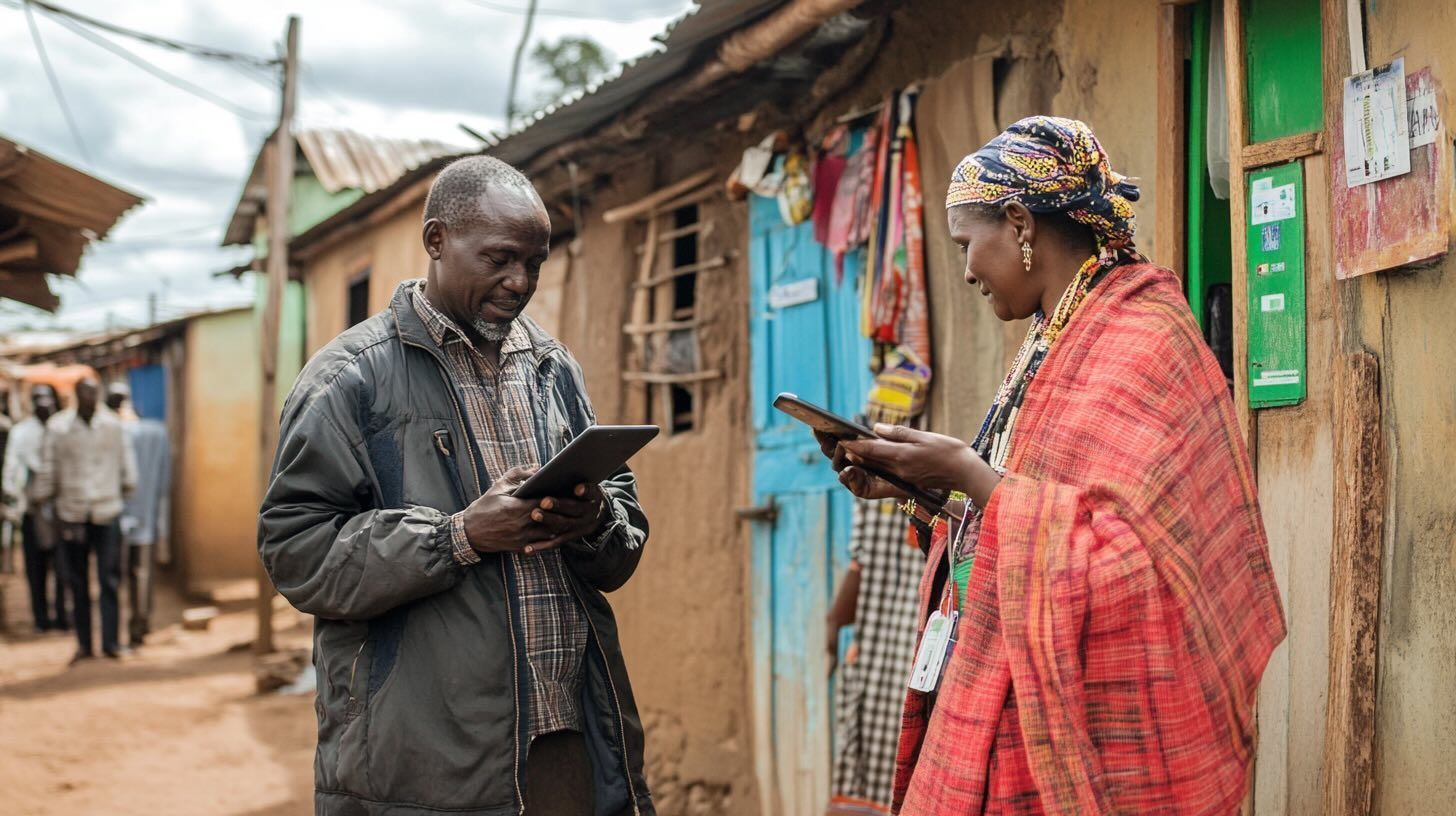
As of early 2024, about 22.7 million Kenyans were internet users, representing 40.8% penetration. Safaricom had 545,812 fixed subscriptions and 36.4% of the fixed broadband market as of mid-2024. Jamii Telecom Faiba held 24.0% of the fixed broadband market, while Wananchi (Zuku) had 17.5%. Poa Internet accounted for about 13.2% of fixed broadband market share. Starlink entered Kenya in July 2023 and reached 16,746 subscribers by January 2025 (about 1.1% of subscriptions). NOFBI aims to reach 100,000 km of fiber by 2026 and has connected all 47 counties. Safaricom expanded its fiber footprint to 14,000 km by March 2023 and
10 March 2025
Internet Access Services in Kazakhstan

Internet Access Services in Kazakhstan

Kazakhtelecom accounts for roughly 60% of Kazakhstan’s telecom market by revenue in 2023 and owns major stakes in mobile operators Kcell and Tele2/Altel. Kar-Tel/Beeline Kazakhstan (VEON) holds about 28% market revenue and is a leading mobile and broadband provider. In internet traffic by autonomous networks, Kazakhtelecom is largest at around 26%, Beeline about 20%, Tele2 Kazakhstan about 19%, and Kcell about 9%, indicating a consumer market duopoly. The Digital Kazakhstan program has expanded fiber nationwide, deploying more than 20,000 kilometers of fiber by 2021 and achieving 118 cities and over 4,500 villages with broadband, covering 97.2% of the population. By
10 March 2025

Stock Market Today

Go toTop