NEW YORK, January 3, 2026, 07:11 ET
- China’s new safeguard regime adds a 55% tariff once annual beef import quotas are used up.
- Australian wagyu and Angus exporters say premium cuts risk being crowded out as larger shippers race to fill quota.
- Analysts warn displaced supply could pressure Australian beef prices later in 2026.
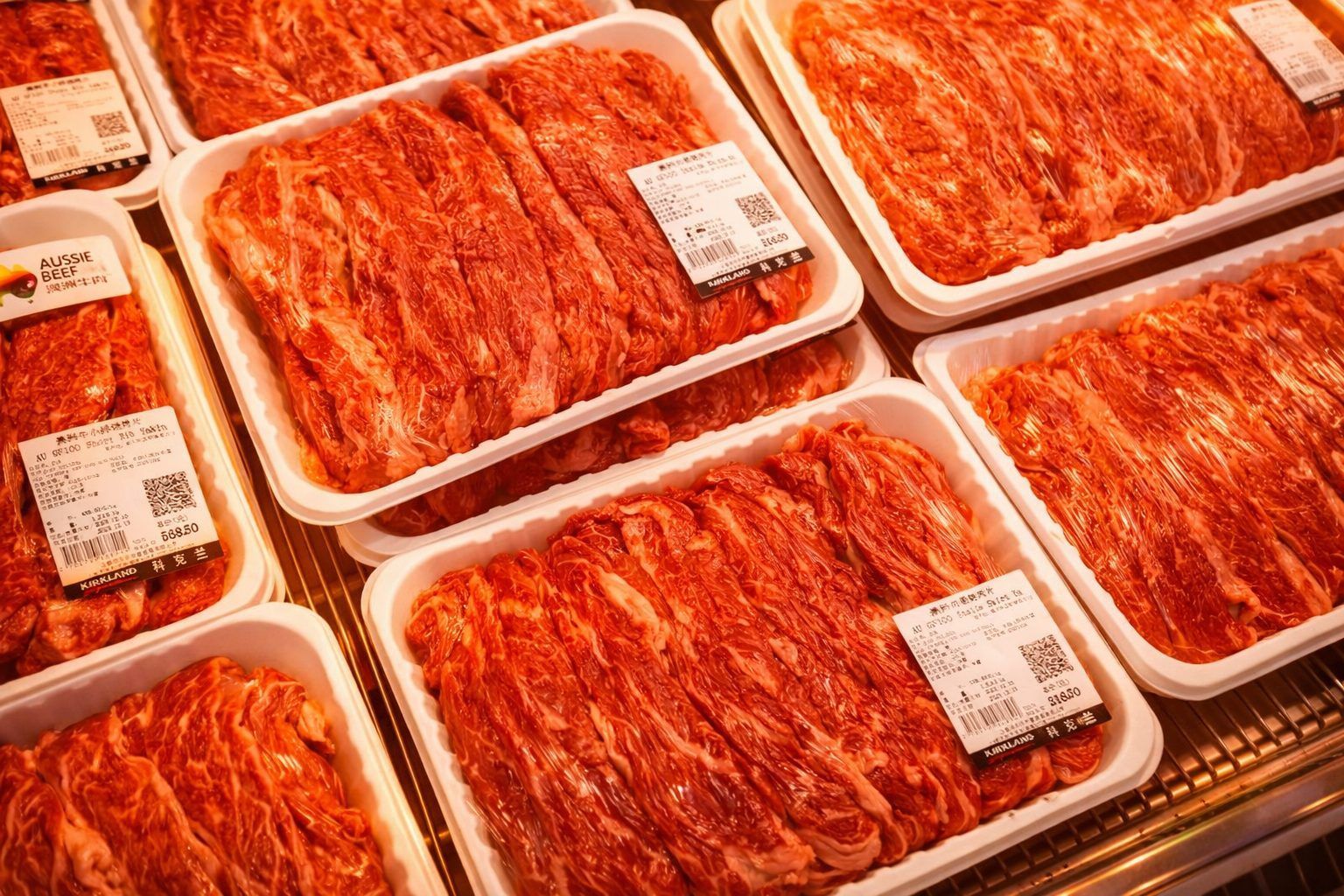
Australian wagyu and Angus beef exporters are bracing for a squeeze in China as a new quota-and-tariff system pushes buyers and sellers into a race for limited “in-quota” access.
Producers say the change risks sidelining higher-value chilled beef if bigger processors rush lower-priced product into China early in the year.
China’s commerce ministry has put imported beef under a three-year “safeguard” regime — a temporary trade defence authorities use when they say a surge of imports has hurt local producers. Under the system, beef shipments within annual country quotas pay the existing tariff rate, but imports above those volumes face an extra 55% duty. Ministry of Commerce, China
The ministry’s quota schedule sets Australia’s 2026 allowance at 205,000 tonnes, while Brazil gets 1.106 million tonnes and the United States 164,000 tonnes, with a total 2026 quota of 2.688 million tonnes across listed suppliers. Quotas rise slightly in 2027 and 2028, with the 55% over-quota tariff unchanged.
Robert Mackenzie, who runs Macka’s Australian Black Angus Beef in New South Wales, said he ships about 26 tonnes a month to China and expects premium exporters to feel the hit first as quota tightens.
He said high-end chilled beef — including wagyu and Angus — represents only a small slice of the annual allowance, and warned larger processors could soak up early-year quota space with lower-value shipments.
Mackenzie said he expects the quota to be exhausted by mid-year, leaving customers to choose between paying the additional tariff or switching to other suppliers.
He said producers pushed out of China would then have to place product in alternative markets where buyers would know exporters had fewer options and could demand lower prices.
Casino Food Company chief executive Simon Stahl said China accounts for about a quarter of his firm’s sales, and that redirecting volume to other export markets would likely mean lower returns for processors and cattle producers.
Meat analyst Simon Quilty at Global AgriTrends said prices in Australia could soften in the second half of 2026 as more exporters compete for alternative buyers. “That’s 600,000 tonnes globally that needs to find a new home,” Quilty said, referring to supply he expects to be displaced by the new caps. ABC
Australia’s peak body for meat processors and exporters, the Australian Meat Industry Council, has said the measures could cut Australian beef shipments to China by about a third and cost the sector roughly A$1 billion.
Trade Minister Don Farrell has said Australian officials told Chinese counterparts the decision was unjustified and that Canberra expects its status as a free trade agreement partner to be respected. Agriculture Minister Julie Collins has said the government has serious concerns and is assessing the impact with industry.
Under the China–Australia Free Trade Agreement, tariffs on beef were eliminated over time, but China retained the right to apply a discretionary safeguard if imports exceeded set annual trigger volumes, Australia’s Department of Foreign Affairs and Trade says.
China’s ministry said the safeguard applies to beef carcasses and cuts — including fresh, chilled or frozen whole and half carcasses, bone-in and boneless beef — and that the additional 55% tariff is levied once annual quotas are reached. Developing countries can be excluded if they remain below specified import-share thresholds, according to a summary of the policy.