
SAN JOSE, California, May 14, 2026, 06:03 PDT
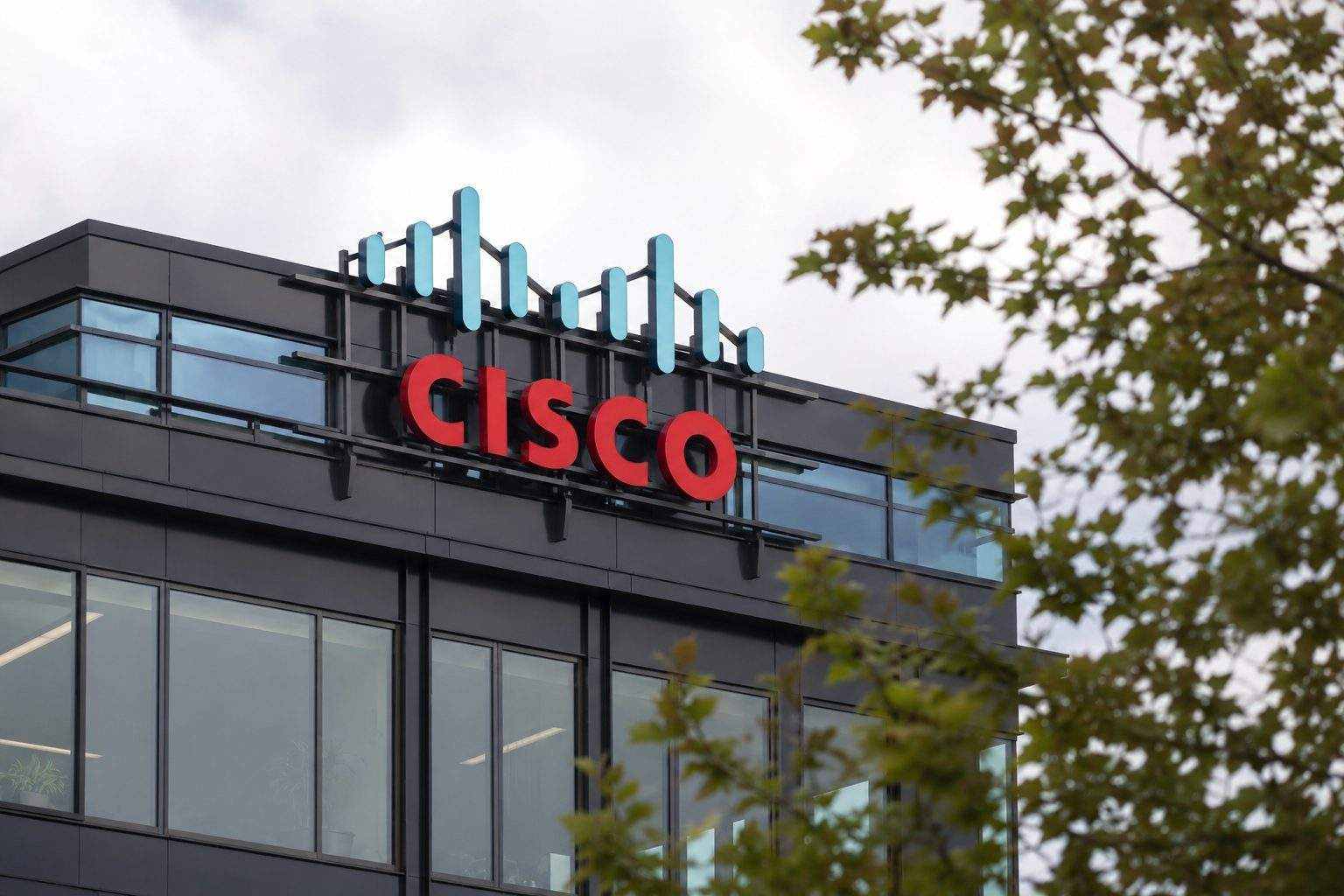
Cisco Systems jumped ahead of Thursday’s open, climbing as much as 22% in premarket action after the networking giant lifted its sales outlook and announced a new AI-focused restructuring. The company now sees fiscal Q4 revenue landing between $16.7 billion and $16.9 billion, topping the $15.8 billion analysts had penciled in, according to Bloomberg.
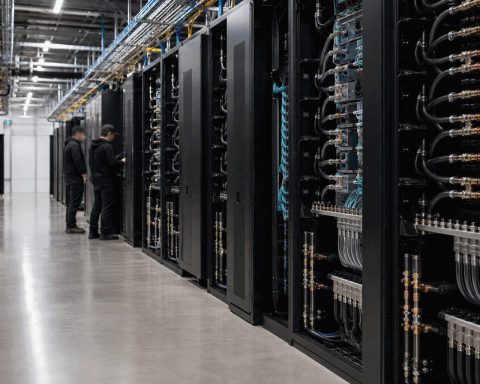
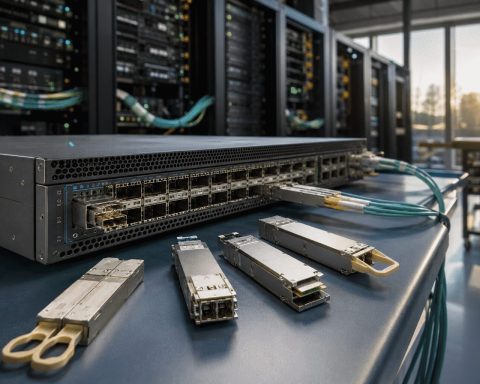
The shift is significant: investors want evidence that AI-driven spending is reaching further than just the chip sector. Cisco, known for its switches, routers, and optical equipment running data through company networks and data centers, increasingly counts hyperscalers—major cloud-computing clients—as a key driver.
Cisco reported $5.3 billion in AI infrastructure orders from hyperscalers already booked for fiscal 2026, bumping its full-year order outlook to $9 billion—up from the previous $5 billion target. Expected AI revenue for fiscal 2026 is now set at $4 billion, a notch higher than the earlier $3 billion forecast. The company added that data-center switching orders climbed more than 40%.
Cisco posted third-quarter revenue of $15.8 billion, marking a 12% increase from the same period last year, with net income under GAAP at $3.4 billion, or 85 cents per share. Adjusted profit, which strips out certain expenses, landed at $4.2 billion, or $1.06 a share. The company lifted its full-year revenue forecast, now expecting between $62.8 billion and $63.0 billion.
Chair and Chief Executive Chuck Robbins said Cisco plans to trim its workforce by under 4,000 positions in the fiscal fourth quarter—less than 5% of staff. Starting May 14, the company is set to begin notifying employees, with cuts extending worldwide. Robbins described the move as “hard decisions” taken so Cisco can keep investing in silicon, optics, security, and AI for its workers. Cisco Blogs
The filing puts Cisco’s restructuring tab at as much as $1 billion before taxes, mainly from severance, one-off termination payouts and related expenses. Roughly $450 million will hit in the fourth quarter; the remainder lands in fiscal 2027.
Direxion’s senior vice president of product and strategy, Ryan Lee, pointed to the share movement as evidence that AI capital investment goes “about more than just chips.” On the company’s post-earnings call, Cisco CFO Mark Patterson called it “reasonable” to anticipate no less than $6 billion in revenue from the AI hyperscale segment by fiscal 2027. Reuters
Heading into the report, prediction markets skewed bullish. Polymarket traders put Cisco’s chances of topping the $1.04 adjusted EPS consensus at 97.1%, with the contract closing out in favor of a “Yes” result. Another Polymarket contract at the close gave Cisco a 97% probability of hitting at least $1 billion in Q3 hyperscaler AI orders. Polymarket
Traders kept an eye on Arista Networks and Hewlett Packard Enterprise, names often cited when AI networking comes up. Melius Research credited Cisco’s jump to its custom silicon and optics efforts, suggesting the networking tailwind could stick as AI inference—using trained neural models to process queries—ramps up data-center traffic. According to Reuters, Cisco fetched 22.77 times forward earnings, with Arista at 35.64 and HPE sitting at 12.37.
The picture isn’t straightforward. Gross margin slipped to 63.6% from 65.6% a year ago on a GAAP basis. Security revenue didn’t budge. Cisco also flagged that its margin and profit outlook factors in the estimated hit from tariffs, given trade policy as it stands. As for its restructuring, the SEC filing cautioned that outcomes on scale, timing, and benefits could end up diverging from what’s currently expected.
Cisco now faces a straightforward challenge after the stock jump: convert those AI orders into top-line results, protect margins from erosion, and frame the layoffs as a reallocation of resources—not a last-minute fix.
Related articles: NASDAQ:CSCO