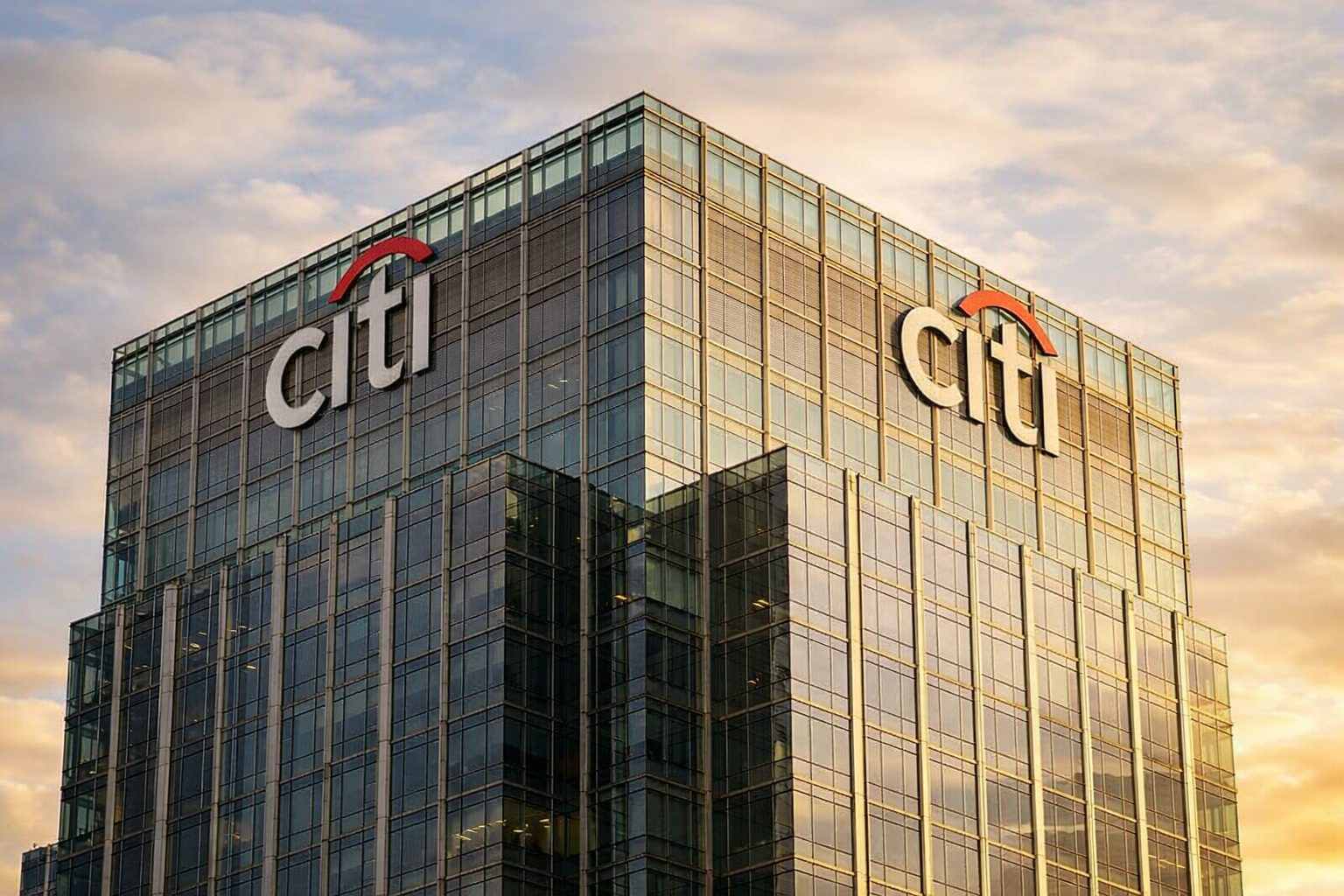
New York, January 24, 2026, 16:48 EST — The market has closed.
Citigroup Inc. shares open the week on news from Reuters that the bank plans another round of layoffs in March, following about 1,000 job cuts this month. These reductions, set to come after annual bonuses, will likely target managing directors and other senior staff. Citi has confirmed it will continue shrinking its workforce into 2026. “We have been reducing headcount and expect that trend to continue,” CFO Mark Mason said to analysts, noting the headcount dropped to 226,000 at the end of 2025 from 240,000 in 2022. The company also recorded $800 million in severance expenses last year. Reuters
What makes this urgent is straightforward: Citi’s overhaul is now as much about cutting costs as boosting revenue. Investors demand sharper execution, fewer curveballs, and a more transparent route to improved returns—something Citi hasn’t shown in years.
The timing couldn’t be more awkward. Bank stocks tend to swing quickly when the macro environment changes, and the coming days will put rate expectations to the test again — a key factor influencing loan demand and trading appetite alike.
Citi shares last traded at $113.59, slipping roughly 1.8% from the previous close. With Wall Street closed for the weekend, that price serves as the benchmark heading into Monday’s session.
Separately, Citi announced it will redeem $2.5 billion of its 1.122% fixed/floating rate notes due 2027 on January 28, paying par plus accrued interest. The bank described the move as part of its liability-management strategy to streamline funding and capital. Citi
For equity investors, the immediate question is how far Citi can trim costs without damaging the businesses driving its performance — investment banking, corporate client services, and wealth management. Cutting senior roles can deliver quick savings, but it carries a risk to execution.
Citi last disclosed results on January 14, surpassing profit expectations as dealmaking surged. Investment-banking fees jumped 35% to $1.29 billion, while revenue in its banking division soared 78% to $2.2 billion, Reuters reported. The bank repurchased $13.25 billion in stock last year. Its rivals—JPMorgan Chase, Bank of America, and Wells Fargo—also reported stronger quarterly profits. “The turnaround story for Citi continues under Jane Fraser,” said David Wagner, head of equity and portfolio manager at Aptus Capital Advisors. Reuters
The Federal Reserve’s upcoming policy meeting is scheduled for January 27–28, with the rate decision set for January 28, per the central bank’s calendar. For banks, these rate forecasts directly impact net interest income—the gap between loan earnings and deposit costs—and can also shift market activity that influences trading fees. Federal Reserve
However, there’s a riskier path. If severance and restructuring costs exceed expectations, or cuts interfere with client service and coverage, the anticipated savings could take longer to materialize in earnings. Credit conditions also play a crucial role; a shift in consumer stress could swiftly overshadow the cost-cutting story.
Citi’s next public event after the January 28 debt redemption is its first-quarter 2026 earnings call, set for April 14. Citi