
New York, Jan 21, 2026, 20:54 EST — The market has closed.
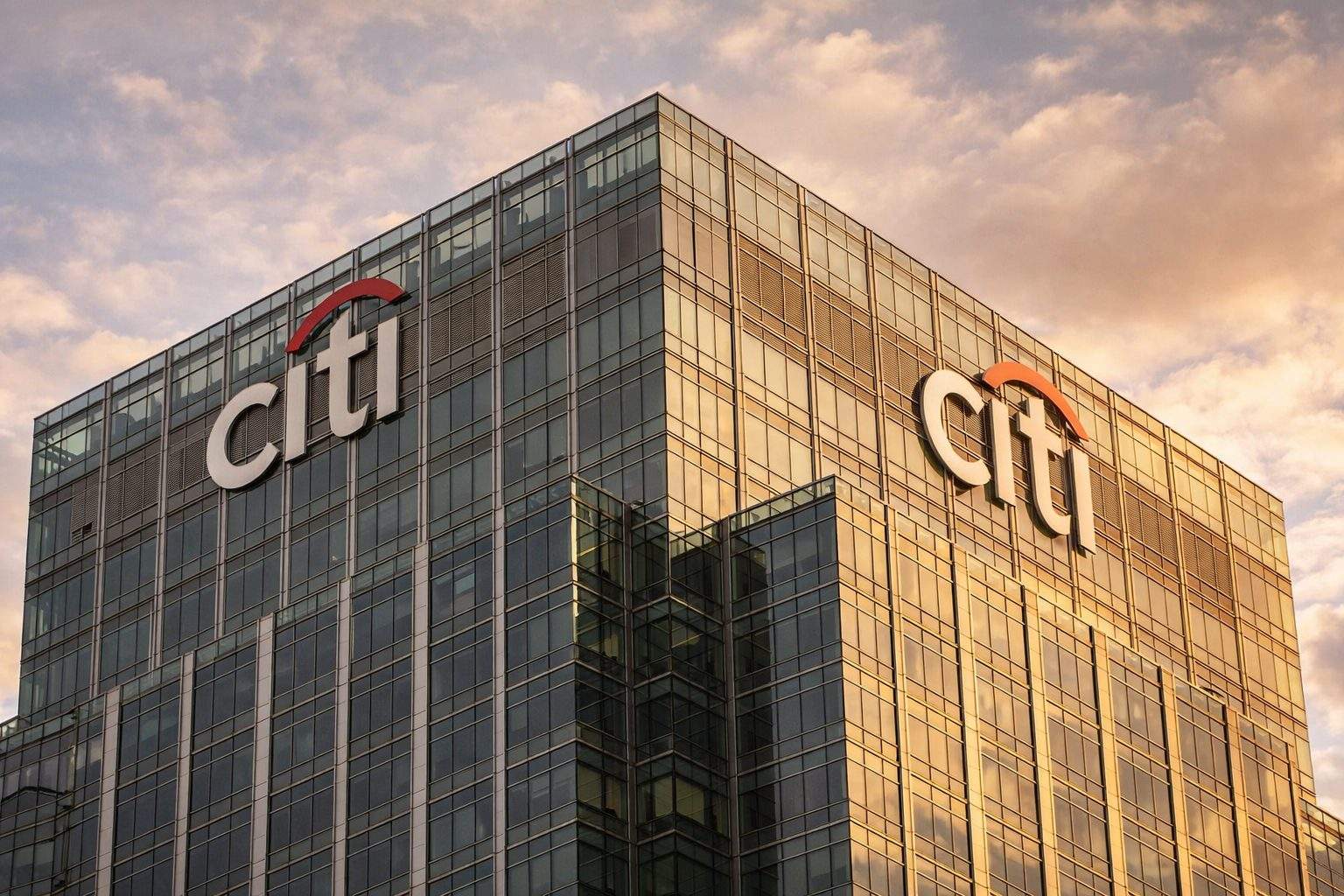
Citigroup Inc (C.N) shares ended Wednesday up 0.94% at $113.86 and have since climbed another 0.55% to $114.49 in after-hours trading. Investors remain focused on the White House’s efforts to cap credit-card rates.
The rate-cap debate is crucial since credit cards drive significant profits for U.S. lenders. Plus, they’re an easy political target given the high rates and the number of households holding balances.
APR, or annual percentage rate, represents the yearly interest charged on a credit card. Imposing a hard cap would push lenders to either adjust how they price risk or reduce credit availability—neither path is straightforward.
Citi shares dropped 4.4% Tuesday as bank stocks tumbled amid uncertainty over President Donald Trump’s push for a 10% cap on credit-card interest rates. Investors remain unsure if such a cap could be enforced without new legislation. Speaking to CNBC from Davos, Citi CEO Jane Fraser said she doesn’t expect Congress to sign off on rate caps. “The president is right in focusing on affordability,” she noted, but added that “capping rates would not be good for the U.S. economy.” Brian Jacobsen, chief economic strategist at Annex Wealth Management, described the proposal as an “overhang” for now. JPMorgan Chase (JPM.N) slipped 3.1%, while Wells Fargo (WFC.N) fell 1.9% in the same session. Reuters
On Wednesday, Trump called on Congress to cap credit-card interest rates at 10% for one year. JPMorgan CEO Jamie Dimon pushed back, warning the move “would remove credit from 80% of Americans.” The S&P 500 Banks Index, tracking major U.S. lenders, was last up 1.2%, as investors bet the proposal will struggle in Congress. Analysts note issuers might respond with compromises like simpler cards at lower rates or smaller credit lines if Washington keeps up the pressure. Reuters
The broader market lent support. Wall Street surged as Trump highlighted a Greenland framework deal and backed off tariff threats on European allies, boosting most sectors and reducing the risk-off sentiment that had pressured banks earlier this week.
Big banks have quietly been testing the waters with the administration over its affordability plans, sources familiar with the talks told Reuters. They remain opposed to some proposals, like rate caps. U.S. Treasury Secretary Scott Bessent described discussions about credit-card company practices as “not unreasonable,” even as banks caution that caps could tighten credit availability. Reuters
Interest rates continue to weigh heavily on bank stocks. A Reuters poll released Wednesday revealed that most economists now foresee the Federal Reserve keeping its benchmark rate steady at 3.50%-3.75% through the first quarter. This marks a change from last month’s forecasts, which had anticipated a rate cut by March.
The downside risk remains. By Wednesday, Trump’s 10% interest rate cap hadn’t been enacted—no executive order or law had brought it into effect. With average credit-card APRs hovering just above 21%, a 10% ceiling would represent a drastic shift if it ever comes through. Even the threat of the proposal can pressure lenders and spark renewed talk about tightening credit standards.
Thursday brings the U.S. inflation update with the Personal Consumption Expenditures (PCE) price index, the Federal Reserve’s favored measure, set for release on Jan. 22. Alongside it, weekly initial jobless claims will drop Thursday morning, possibly shaking up Treasury yields and bank stocks as the week closes.
The key date is still a few sessions away: the Fed’s Jan. 27-28 meeting, with Chair Jerome Powell set to speak to reporters on Jan. 28. Investors will be parsing that briefing closely for hints on the future rate trajectory — and to see if the credit-card cap discussion turns into a bill gaining real traction.
Related articles: NYSE:C

![UK Stock Market Today 24/08/2026 [UPDATE: 08:55 BST] [Gold Miners Cushion FTSE as AstraZeneca and Oil Majors Slide]](https://ts2.tech/wp-content/uploads/2026/08/UK-market-dashboard-2026-08-24-0855-480x384.jpg "UK Stock Market Today 24/08/2026 [UPDATE: 08:55 BST] [Gold Miners Cushion FTSE as AstraZeneca and Oil Majors Slide]")