
NEW YORK, March 18, 2026, 6:14 PM EDT
Two CEOs from major U.S. firms are sounding the alarm for new grads: artificial intelligence isn’t just a buzzword—it’s already squeezing entry-level white-collar jobs. Bill McDermott at ServiceNow warned that graduate unemployment could spike sharply in a few years. BlackRock chief Larry Fink echoed the concern, saying the class of 2026 could be staring down the hardest path to office jobs in recent memory.
The issue is pressing, with new grads now facing a slack labor market. According to the New York Fed, unemployment among recent college graduates climbed to around 5.7% in the fourth quarter of 2025. Underemployment — meaning grads landing positions that don’t typically need a degree — reached 42.5%, the highest level since 2020. On Handshake’s student jobs platform, postings dropped more than 16% versus last year, while the average job saw 26% more applications.
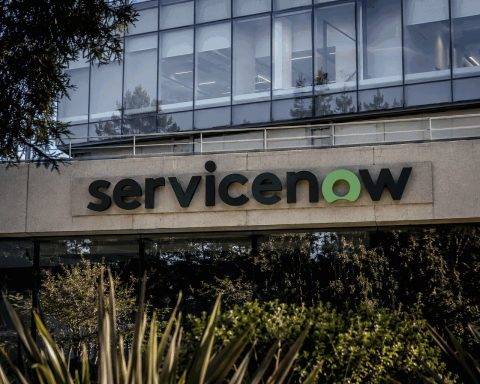
Last week, McDermott told CNBC he sees jobless rates for new grads possibly heading into the “mid-30s” over the next couple of years, as AI agents—software built to handle basic office work with little human oversight—start to take over duties that used to go to entry-level hires. According to McDermott, ServiceNow has already automated 90% of the customer-service scenarios that once required people, and intends to hold staffing levels steady even as revenue climbs. LinkedIn
At BlackRock’s Infrastructure Summit in Washington on March 11, Fink voiced his concern that this year’s crop of college grads might see the highest unemployment levels in years—even if the economy avoids recession. He argued the long-held belief that a four-year degree guarantees a white-collar role is shaky now, with “AI is going to disrupt many of those types of jobs,” as he put it. Yahoo Finance
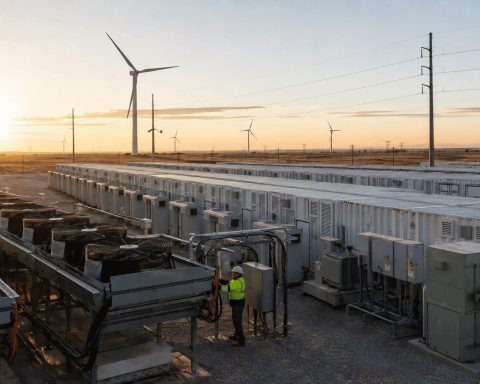
Still, Fink stopped short of saying AI would wipe out jobs. BlackRock’s summit documents point out that rolling out data centers, upgrading power grids and expanding AI infrastructure have pushed up demand for jobs like electricians, HVAC techs, welders, and carpenters. They referenced Labor Department forecasts showing those roles set to grow over 5% in the next ten years—beating the national average of 3%.
That’s part of the story behind BlackRock’s $100 million Future Builders program, rolled out last week to support pre-apprenticeship entry, training completion, and licensing for 50,000 workers over five years. Ruth Porat—president and chief investment officer at Alphabet and Google—pointed to the race for U.S. dominance in AI, noting it’s already generating “thousands of high skilled trade jobs.” BlackRock
The broader hiring scene isn’t looking much better. According to SignalFire, new grads were just 7% of Big Tech hires last year—a drop of over 50% since 2019. And the National Association of Colleges and Employers sees hiring for the Class of 2026 inching up by only 1.6%.
Even so, the bleakest projections haven’t materialized. McDermott puts the jobless rate for fresh grads at about 9%, notably higher than the New York Fed’s 5.7% figure. Handshake, for its part, points out that there’s only mixed evidence that AI is pushing out entry-level workers. That leaves room for the possibility that today’s crunch is still about conservative hiring and unwinding the effects of earlier tech hiring frenzies.
What comes next hinges on how firms deploy AI—whether it’s mostly to hold back on recruiting entry-level staff, or to reshape jobs for leaner teams that require different capabilities. McDermott points to 2027 as the year these effects could hit hiring plans. BlackRock, meanwhile, calls for a rapid expansion of apprenticeships across governments, companies, and schools, highlighting that the traditional path in at the ground floor is shifting before most organizations can catch up.
Related articles: NYSE:BLK