December 17, 2025 — Commodity markets are closing out the year with a familiar mix of geopolitics, interest-rate expectations, and supply constraints driving sharp day-to-day moves. Today’s biggest story is energy: oil prices rebounded more than 2% after the U.S. ordered a blockade of sanctioned oil tankers entering and leaving Venezuela, injecting fresh uncertainty into a market that had just been trading near five-year lows on oversupply fears. Reuters+2Reuters+2
At the same time, the metals complex continues to dominate the “commodities prices today” conversation: silver surged to new all-time highs above $66/oz and gold held firm above $4,300/oz as softer U.S. labor-market signals reinforced expectations for further rate cuts in 2026. Reuters+1
Below is a category-by-category look at commodity prices today (17.12.2025), what’s moving them, and the forecasts analysts are watching into 2026.
Commodities prices today: key levels and the biggest movers
Prices can change quickly during global trading hours; the levels below reflect widely reported benchmarks from today’s market coverage and the most recent exchange settlements.
- Brent crude: ~$60.33/bbl (up ~2.4%)
- WTI crude: ~$56.69/bbl (up ~2.6%) Reuters
- Spot gold: ~$4,318.99/oz (up ~0.4%)
- Spot silver: ~$65.91/oz (after hitting a record ~$66.52/oz; up ~3.3%) Reuters
- LME copper (3-month): ~$11,704/ton (up ~1.0%) TradingView
- Dalian iron ore (most-traded): 768 yuan/ton (up ~1.25%)
- SGX iron ore (benchmark): ~$103.55/ton (up ~1.0%) TradingView
- CBOT grains (front-month, indicative): Corn 438-0; Soybeans 1063-0; Wheat 510-4 Successful Farming
- Coffee (ICE, Tuesday settlement): Robusta ~$3,832/ton; Arabica ~$3.521/lb TradingView
- Cocoa (ICE, Tuesday settlement): New York ~$5,998/ton; London ~£4,362/ton TradingView
- Sugar (ICE, Tuesday settlement): Raw ~14.82¢/lb; White ~$423/ton TradingView
Oil price today: Brent and WTI rebound as Venezuela supply risk returns
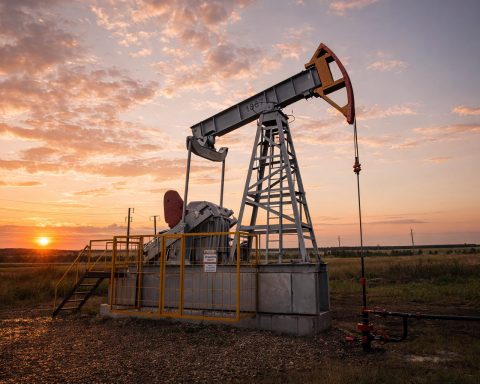
After settling near multi-year lows earlier this week on concerns about ample supply and fragile demand, crude reversed course today. Brent rose back above $60 a barrel and WTI climbed toward $57 after President Donald Trump ordered a full blockade of sanctioned oil tankers moving in and out of Venezuela. Reuters+1
What’s driving the move
Several factors are layering together in the oil market:
- Geopolitics and enforcement uncertainty: Traders are trying to price not only the announcement, but also how such a blockade might be implemented (and how many tankers it actually affects). Reuters noted uncertainty around enforcement and scope. Reuters
- Venezuela’s concentrated buyer base: Venezuela’s production is a small slice of global supply (roughly ~1%), but flows are concentrated among a narrow set of buyers and routes—meaning disruption risk can be “louder” than the headline share suggests. Reuters
- Inventory signals: U.S. crude stocks fell by about 9.3 million barrels last week in American Petroleum Institute (API) data, far larger than the roughly 1.1 million-barrel drop analysts expected in a Reuters poll—adding a short-term supportive signal if confirmed by official data. Reuters
The bigger oil outlook: why the market still feels heavy
Even with today’s rebound, crude is still wrestling with the narrative that dominated the last 24–48 hours: oversupply risk and soft demand. On Tuesday, Brent settled at its lowest level since February 2021, with the market focused on supply abundance and the possibility that progress in Russia-Ukraine peace talks could eventually ease sanctions and free more supply. Reuters+1
Looking into 2026, analyst views continue to skew cautious. Reuters cited Barclays expecting Brent to average around $65/bbl in 2026, while also describing a surplus backdrop already reflected in the curve. Reuters And in a separate earlier Reuters report, Goldman Sachs flagged a scenario of oil prices falling through 2026 amid a supply surge, with a large surplus risk. Reuters
Takeaway: Today’s jump is geopolitical-risk pricing—while the underlying debate remains whether demand growth can keep up with supply in 2026.
Natural gas prices: mild weather caps Henry Hub as LNG remains near record levels
In U.S. gas, the most recent major move was a sharp slide to a six-week low after forecasts pointed to milder weather and one liquefaction train at Freeport LNG shut, easing near-term demand for feedgas. Front-month NYMEX gas settled around $3.886/mmBtu (down ~3.1%). TradingView
Reuters also highlighted how record output has helped keep storage comfortable, and noted global benchmarks that have weakened amid a slow start to winter: Europe’s TTF was cited near ~$9/mmBtu and Asia’s JKM near ~$10/mmBtu in that market snapshot. TradingView
Longer-term gas watch: Russia-to-China pipeline progress
Separate from short-term weather trading, there’s strategic positioning underway in global gas flows. Reuters reported that construction is progressing on a Far Eastern gas route from Russia to China, with initial exports expected in 2027 (starting at 2 bcm annually, potentially rising to 12 bcm). Reuters
Why it matters: Over time, incremental pipeline capacity can shift regional bargaining power and influence LNG trade patterns—even if today’s pricing is still dominated by weather and storage.
Gold and silver prices today: silver sets records as rate-cut bets build
If oil is today’s headline, precious metals are today’s momentum trade.
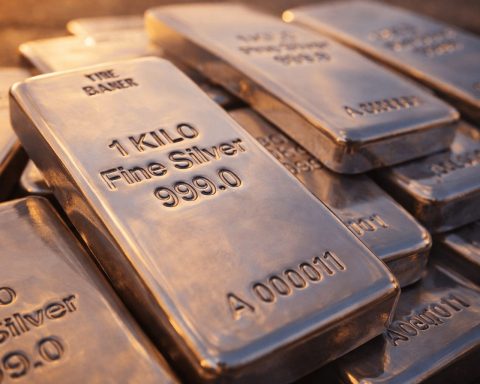
- Silver jumped above $65/oz and touched a record $66.52/oz before easing, extending a rally Reuters attributed to tight supply, strong industrial demand, and rising speculative interest. Reuters
- Gold climbed to around $4,318.99/oz, underpinned by expectations for easier policy and persistent geopolitical uncertainty. Reuters
The macro catalyst is straightforward: U.S. jobs data showed unemployment rising to 4.6% (highest since September 2021, per Reuters), which reinforced the idea that the Federal Reserve may have room to cut further in 2026. Reuters reported traders were pricing two 25-basis-point cuts next year. Reuters+1
Platinum and palladium: “white metals” join the surge
Platinum reached the highest level in more than 17 years, and palladium also strengthened, with Reuters citing commentary that policy shifts in Europe around combustion-engine rules gave the sector a lift. Reuters
What to watch next for metals: Reuters flagged imminent U.S. inflation releases (CPI and PCE later this week) as near-term event risk for gold and silver. Reuters+1
Copper price today and base metals: supply worries meet data-center demand narratives
Industrial metals are staying resilient even as investors weigh mixed growth signals.
Copper rose again today:
- LME copper (3-month): about $11,704/ton
- Shanghai copper: about 92,550 yuan/ton TradingView
Reuters-linked coverage emphasized two recurring themes:
- Supply tightness and ongoing concerns about availability, and
- The expectation that data centers and the energy transition will keep demand structurally supported. TradingView
Aluminium: supply-side headlines reappear
Aluminium firmed as well, and Reuters noted that miner South32 said it would place its Mozal smelter (Mozambique) under care and maintenance by March after failing to secure a power deal—an example of how energy costs and power contracts can suddenly become “commodity catalysts.” TradingView
Forecasts: what Morgan Stanley is signaling into 2026
For investors looking beyond “commodities prices today,” a key update came from Morgan Stanley’s revised 2026 base metals forecasts. Reuters-linked reporting said Morgan Stanley expects:
- Aluminium to reach about $3,250/ton by Q2 2026
- Zinc to ease toward around $2,900/ton
- Nickel to retreat toward around $15,500/ton
- Copper deficits to deepen (with deficits cited for 2025 and 2026) TradingView
Interpretation: The forecast mix suggests a market still trying to identify which metals are in genuine structural deficit versus those where supply growth can catch up.
Iron ore prices today: restocking lifts futures, but China steel demand remains the big question
Iron ore pushed to a one-week high today, boosted by improved liquidity and restocking ahead of seasonal demand:
- Dalian iron ore closed up 1.25% at 768 yuan/ton
- SGX benchmark rose to around $103.55/ton TradingView
Reuters-linked reporting pointed to a jump in spot transaction volumes (including portside and seaborne market activity) and noted the seasonal restocking theme ahead of China’s Lunar New Year period. TradingView
The tension: steel output slumps, iron ore imports hit records
A separate Reuters analysis framed the core contradiction in China’s steel chain: steel production is weakening, but iron ore imports are on pace for a record. In November, China’s steel output fell to 69.87 million tons (down 10.9% year-on-year), while iron ore imports for 2025 are expected to top the prior record—helped by restocking and expectations that stimulus could eventually lift demand. Reuters
Reuters also cautioned that rising inventories could limit how long imports can outperform demand fundamentals, noting port stockpiles and the idea that import momentum may moderate in coming months. Reuters
Bottom line for iron ore: Today’s price strength is real—but so is the macro question of whether Chinese steel demand rebounds enough to justify sustained restocking.
Coal market today: IEA says demand hits a record in 2025, then plateaus
Coal remains a pivotal (and politically charged) commodity even as energy transitions accelerate. The International Energy Agency’s Coal 2025 report, covered by Reuters today, said:
- Global coal demand rises ~0.5% in 2025 to a record 8.85 billion metric tons,
- Then plateaus and begins a slow decline through 2030 as renewables, nuclear and natural gas gain share. Reuters
The IEA also highlighted diverging regional dynamics (including China’s outsized role in coal trends, and shifts in U.S. coal consumption linked to gas prices and policy). Reuters
Grain prices today: corn, soybeans, wheat stabilize after recent volatility
In agriculture, grain markets are holding relatively steady compared with the fireworks in oil and metals. U.S. futures pricing published today showed:
- Corn: 438-0 (change +1-4)
- Soybeans: 1063-0 (change +0-2)
- Wheat: 510-4 (change +1-0) Successful Farming
These levels reflect front-month contracts and are typically used as a quick benchmark for “grain prices today” headlines.
Coffee, cocoa and sugar prices: improving supply pressures coffee; cocoa rebounds
Soft commodities are sending more mixed signals:
Coffee
Robusta fell to a four-month low in the latest settlement, with Reuters pointing to Vietnam harvest progress and improving Brazilian export flows after tariff-related disruptions eased. TradingView
Citi was cited projecting coffee prices could ease toward $3.00/lb over 12 months, with improved flow dynamics and regulatory delays (including the postponement of the EU anti-deforestation law). TradingView
Cocoa
Cocoa rebounded after an earlier slide, but Reuters noted the market is watching improving arrivals in key producing regions, which can quickly change the near-term supply story. TradingView
Sugar
Raw sugar eased, with Reuters pointing to competing forces: large speculative positioning that can spark short-covering rallies, versus weather and production expectations that can cap upside. TradingView
What to watch next: the catalysts that could move commodity prices this week
Even in a market laser-focused on today’s headlines, the next few sessions have clear “risk events” that can quickly shift the dollar, yields—and commodities:
- U.S. inflation data: CPI and PCE releases later this week are central for gold, silver, and broader “real assets” positioning. Reuters+1
- Central bank decisions: The Bank of England, the European Central Bank, and the Bank of Japan are all in focus for rates expectations and currency moves that feed into commodity pricing. Reuters
- EIA inventory confirmation: After the large API-reported draw, official U.S. crude stock data can either validate today’s oil rally—or cool it quickly. Reuters
- China’s demand signals: For iron ore and base metals, the key is whether stimulus expectations translate into measurable demand—especially with steel output already weak. Reuters+1
- Geopolitics and enforcement details: The practical implementation of Venezuela-related shipping restrictions will matter more than the headline itself. Reuters+1
If you want, I can also adapt this into (1) a shorter, punchier Google Discover version, or (2) a “live blog” format with tighter updates per commodity group—without adding charts or images.