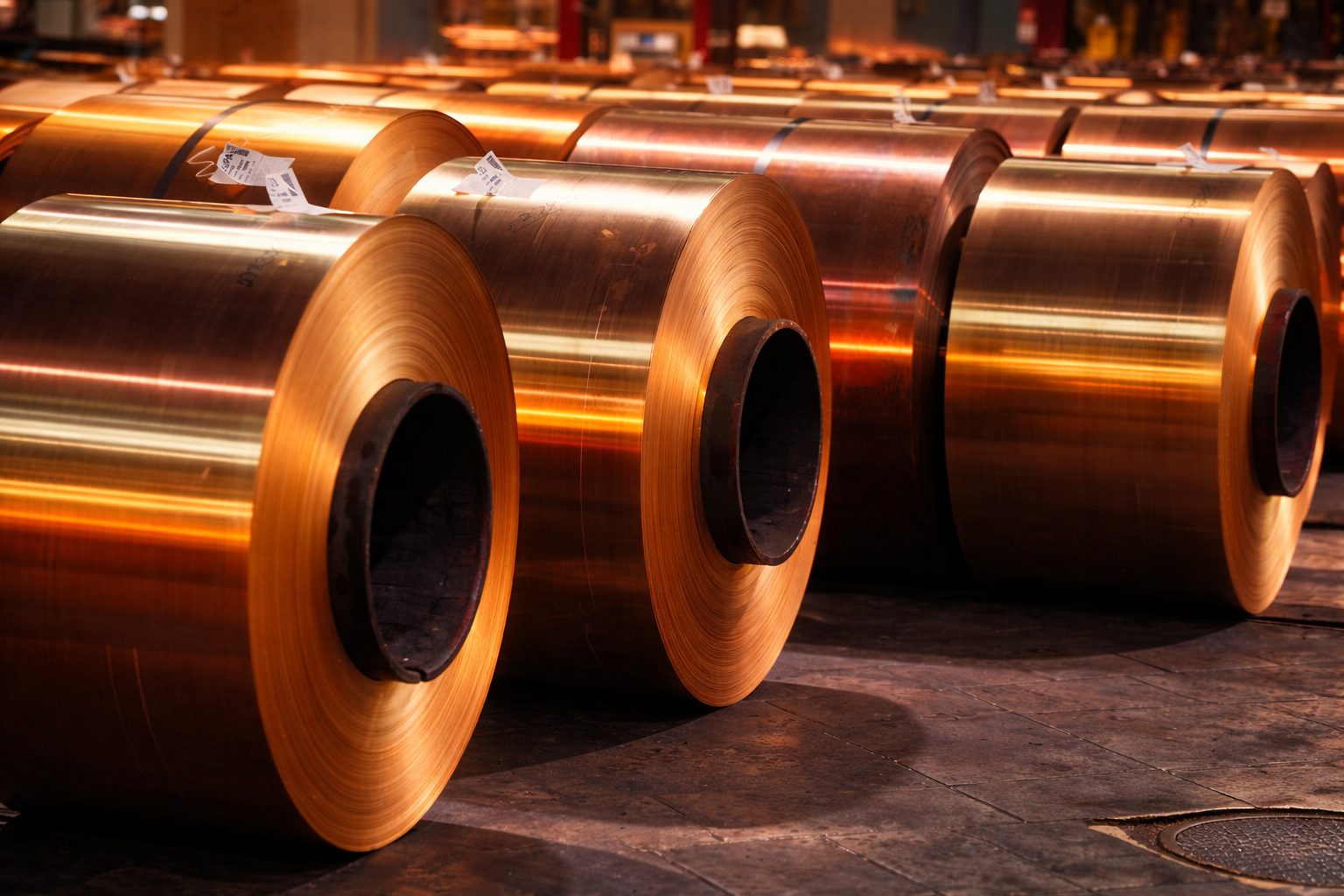
December 26, 2025 — Copper closed out the post‑holiday week with a fresh surge that underscores just how unusual—and how politically sensitive—the global metals market has become. Prices pushed to all‑time highs in Shanghai and jumped again in New York, as traders weighed tightening feedstock signals for 2026 against a tariff-shaped supply chain that is increasingly split into “U.S. copper” and “everyone else’s copper.” The Business Times
Behind the rally is a collision of forces: persistent concentrate tightness, mine disruptions that have kept investors on edge, and the lingering question of how far the United States will go in expanding tariffs deeper into the copper value chain. The result is a market where price screams shortage—yet inventories exist, just not always where industrial buyers can use them quickly or cheaply.
Today’s move: Shanghai sets a new peak while U.S. prices stay elevated
On December 26, the most‑active copper contract on the Shanghai Futures Exchange (SHFE) hit a new record, trading around 98,590 yuan per tonne at the high and remaining sharply higher on the session. Business Recorder
In the U.S., COMEX copper also advanced, rising to around $5.743 per pound at the session peak, keeping the American benchmark near the highest levels seen since a dramatic squeeze earlier in the year. With the London Metal Exchange (LME) shut for the Christmas break and set to reopen after the holiday, the price discovery that mattered most today happened in China and the U.S.—the two arenas where the supply story is currently loudest. The Business Times
A weaker U.S. dollar added tailwinds, a familiar dynamic for globally traded commodities priced in dollars: when the dollar falls, metals often look cheaper to non‑U.S. buyers, and prices can lift even if physical demand is steady. The Business Times
The real catalyst: concentrate tightness and smelters signaling stress
Today’s record in Shanghai wasn’t just a momentum chase. One of the most important signals came from the upstream bottleneck that has been quietly tightening for months: copper concentrate availability.
Reuters reported that leading Chinese smelters again declined to provide guidance on copper concentrate processing fees for Q1 2026—the fourth consecutive time they’ve refused to set a benchmark—amid feedstock shortages pushing charges to record lows. In practical terms, when processing economics deteriorate and benchmark signals break down, it’s often a sign that smelters are competing aggressively for ore and concentrates. That can translate into tighter refined supply later, even if demand growth is only modest. Business Recorder
This matters because copper isn’t just mined—it must be processed through a complex chain that includes concentrates, smelting, refining, and fabricating. When any link tightens, the market can react fast, especially at year‑end when liquidity is thinner and positioning is more sensitive.
Why copper is behaving differently in the U.S. and China
Copper’s price action is increasingly shaped by a structural distortion: regional premiums caused by tariff risk.
In 2025, the U.S. introduced major copper trade measures under Section 232. The policy established 50% tariffs on semi‑finished copper products and certain “intensive copper derivative products” effective August 1, 2025, while also setting a timetable for a mid‑2026 review on whether to impose a phased tariff regime on refined copper starting in 2027 and 2028. Federal Register
Even without immediate tariffs on refined copper, the possibility of expanded levies has been enough to reshape flows:
- Traders have been incentivized to pull copper into U.S. warehouses to get ahead of future rules and to capture the premium embedded in U.S. pricing. Reuters
- That shift can leave other regions tighter—not necessarily because the world “ran out of copper,” but because copper is sitting in the “wrong” place relative to where manufacturers need it most. Reuters
This is the critical context behind today’s two‑track market: Shanghai chasing record highs on concentrate anxiety and future supply expectations, while New York remains elevated in part because U.S. pricing continues to reflect tariff uncertainty and a premium for deliverable metal.
Earlier this week: copper cleared $12,000 a tonne in London
The Shanghai and COMEX surge builds on a week that already made headlines: copper surged above $12,000 per tonne, reaching about $12,160 before easing back toward $12,065, according to reporting earlier in the week. That rally was tied to tariff concerns and supply shortages that have intensified since mining incidents began affecting production in October, while a weaker dollar and expectations for easier U.S. monetary policy helped lift the broader metals complex. Financial Times
The bigger takeaway is not just the record print—it’s how quickly the market is repricing 2026 risk. Investors are treating next year as the point where a tight market could become structurally difficult, even if the near‑term data still shows metal moving around the system.
The “economically trapped” tonne: are we seeing a real deficit—or a logistical one?
As prices climb, a second narrative has gained traction: the idea that copper’s shortage may be partly optical.
A widely discussed analysis this week argued that the market is being driven by “economically trapped” inventory—estimated at roughly 730,000 to 830,000 tonnes—held in U.S. warehouses as traders hedge against potential future tariffs. In that view, the deficit looks “real” in price terms because metal is pulled into storage where it is profitable to hold but functionally less available to global industry. The same analysis warned that if tariff expectations shift materially, trapped inventory could re‑enter the market and trigger a sharp price reversal. Oilprice
It’s a provocative argument, and it captures the core tension in today’s copper market:
- Prices suggest scarcity and urgency.
- Inventories suggest metal exists—but it may be stranded by incentives created by policy, spreads, and location.
Reuters’ own year‑end review of LME metals described 2025 as a year defined by “disruption and dislocation,” noting that the threat of copper tariffs has been almost as disruptive as tariffs themselves—pulling surplus copper toward the U.S. and leaving other buyers scrambling. Reuters
Demand isn’t “weak”—it’s changing shape
Copper demand is also being re‑rated because of where global growth is concentrating. Electrification themes—power grids, EV infrastructure, renewable buildouts, and AI‑linked data center investment—continue to drive long‑term optimism.
Reuters reporting earlier this month highlighted how AI‑related infrastructure is becoming a copper driver, while a survey of analyst forecasts pointed to market deficits of about 124,000 tonnes in 2025 and 150,000 tonnes in 2026. Reuters
This is why “Doctor Copper” (the nickname for copper as a growth barometer) is sending mixed signals: traditional cyclical indicators may look uneven, yet copper‑intensive investment channels—grid upgrades and data infrastructure—remain robust and politically strategic.
Why this matters beyond copper: the metal rally is broadening
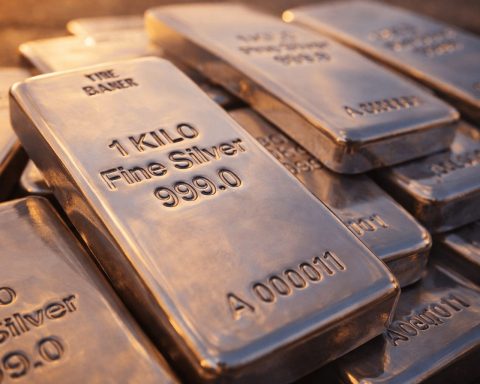
Copper’s breakout is also part of a broader late‑2025 metals surge. On December 26, Reuters reported silver hitting $75+, with gold and platinum also at record highs, driven by expectations for additional U.S. rate cuts, geopolitical risk, a weaker dollar, and thin year‑end liquidity. Reuters
That broader rally matters for copper because cross‑asset positioning can amplify moves: when investors chase “real assets” as a group, industrial metals can rise even faster—especially when a market already has a policy‑driven supply story.
What to watch next: four catalysts that could define the next leg
As the calendar turns, copper’s next move will likely depend on four variables that investors and manufacturers will be tracking closely:
1) LME reopening and the global benchmark’s response
With London returning from the holiday break, the key question is whether the LME benchmark catches up to U.S./China momentum—or whether regional spreads widen further. The Business Times
2) Processing economics and concentrate availability
If concentrate tightness persists and smelter benchmarks remain unsettled, the market may keep pricing in 2026 refined supply risk—even if end‑demand grows only modestly. Business Recorder
3) U.S. tariff signals and the mid‑2026 review clock
Policy remains the biggest single source of volatility. The U.S. has already imposed major tariffs on semi‑finished/derivative copper products, and the timeline for deciding whether to impose phased tariffs on refined copper runs through mid‑2026, keeping speculation—and pre‑positioning—alive. Federal Register
4) Whether “trapped” inventory stays trapped
If U.S. warehouse economics shift—because tariffs disappoint hawkish expectations, spreads compress, or financing costs rise—large inventories could become mobile again. That’s the scenario “phantom deficit” proponents argue could produce the most abrupt price correction. Oilprice
Bottom line: copper’s new records reflect a market pricing policy risk as much as geology
Copper’s December 26 record in China and renewed strength in New York aren’t just a story of supply and demand—they’re a story of where metal sits, how it’s financed, and how politics shapes incentives.
If concentrate tightness and mine disruption risks persist into 2026, the market could be early—but not irrational—in pricing a tighter future. But if the tariff premium embedded in U.S. supply chains unwinds faster than expected, the same inventories that helped create today’s scarcity narrative could become tomorrow’s shock absorber—or shockwave.
Either way, copper has become one of the clearest barometers of how trade policy, industrial strategy, and the energy transition are rewriting commodity markets in real time.