
MEXICO CITY, May 6, 2026, 17:03 CST
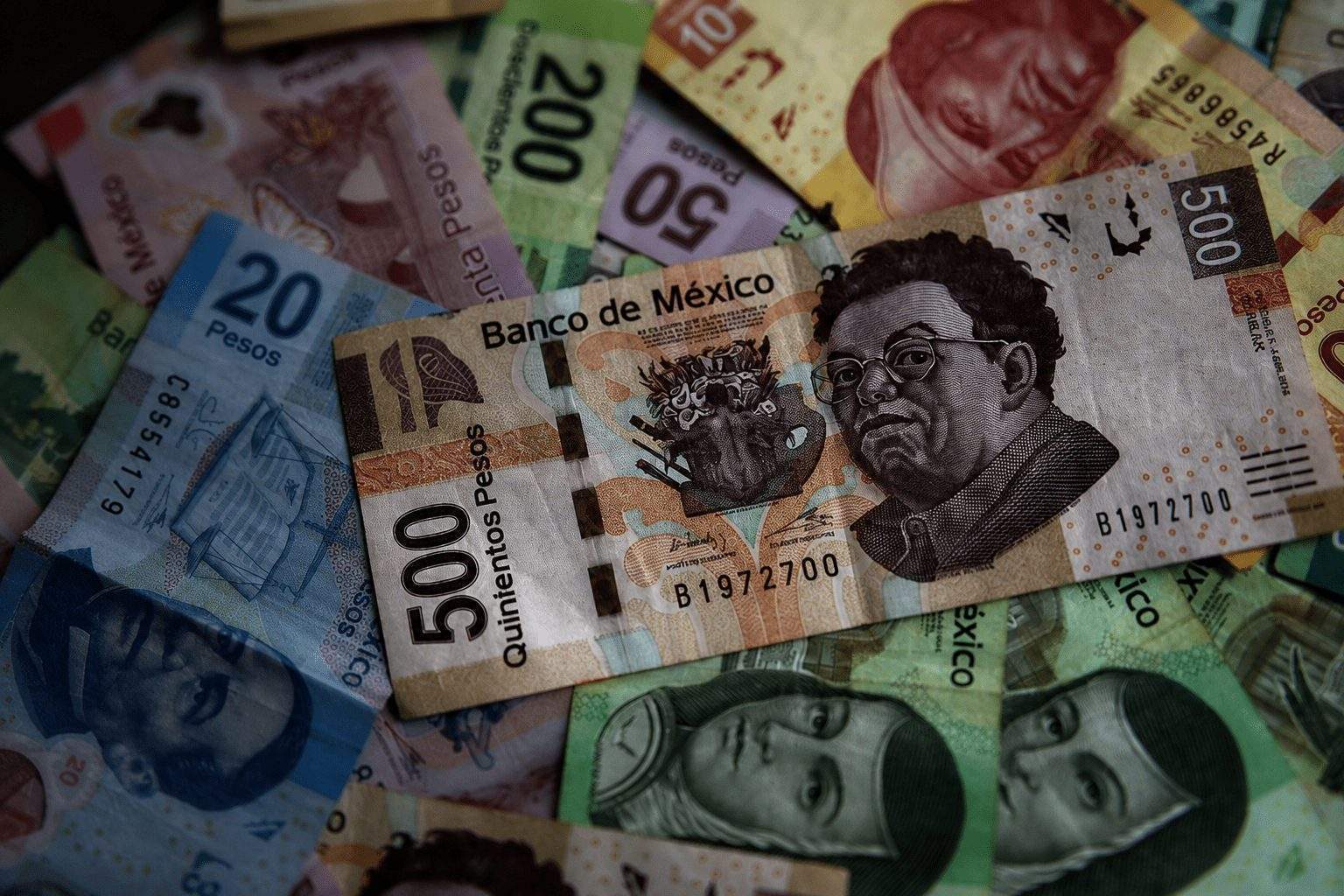
- The peso advanced 0.76%, finishing the day at 17.23 per dollar, after reaching as high as 17.1969—its strongest point since April 17.
- Investors snapped up emerging-market currencies after the dollar lost ground, betting on a possible U.S.-Iran deal.
- Banxico decides on rates this Thursday, leaving the peso’s rally at risk if policy moves catch markets off guard.
The peso strengthened on Wednesday, finishing the session at 17.23 per dollar. The greenback slipped, while talk of potential U.S.-Iran deal progress lured investors toward riskier bets.
The timing of the move is key, landing right before the Bank of Mexico’s policy meeting on Thursday and pushing the peso to levels that ripple through remittances, tourism, trade payments, and the way Mexican households and companies buy dollars. When the peso strengthens, it takes fewer pesos to buy a dollar—but families receiving money from overseas end up with less local currency per dollar sent.
The peso climbed 0.76% during the session, touching 17.1969—its firmest since April 17—before surrendering some gains. Banxico set the benchmark FIX rate for the day at 17.2530 pesos per dollar, the official reference for settling dollar payments in Mexico.
The spreads at bank windows stayed notably broader than wholesale rates. Al Día listed Banamex buying dollars at 16.85 pesos and selling at 17.82. Banco Azteca’s quotes landed at 16.70 for purchases, 17.84 for sales. Western Union posted 17.05, and MoneyGram’s number edged to 17.87.
The peso tracked a wider slump in the dollar, which saw its index drop 0.7% to 97.79 early Wednesday. Both the euro and sterling picked up some strength.
Janneth Quiroz Zamora, director of economic, foreign-exchange and stock-market analysis at Monex Grupo Financiero, pointed to “investor optimism and lower risk aversion” as factors lifting the peso. Still, the currency trimmed its earlier advance after Iran turned down a U.S. proposal and disappointing local data dragged on sentiment. Investing.com México
The peso’s rally came alongside gains for other Latin American currencies, as investors backed away from safe-haven dollar positions. According to Milenio, the Chilean peso climbed 1.62% while Colombia’s peso advanced 0.33%.
Monday had a very different feel. The peso slid 0.40%, finishing at 17.5165 per dollar as traders fixated on risks linked to the Strait of Hormuz—vital for oil shipments. “Uncertainty” drove sentiment, said México Financiero CEO Juan Carlos Cruz Tapia, after news of missile activity and reports that the U.S. was escorting neutral ships. El Economista
Jorge González, director at Asesores en Divisas y Riesgos, flagged the Hormuz situation right out of the gate this week, labeling it “a vital point for global trade.” That risk is still looming. El Economista
Here’s the obvious risk: should U.S.-Iran negotiations hit another snag, the dollar might see renewed demand in a hurry. As for the peso, a sharper Banxico rate cut would put it under pressure—lower yields typically chip away at the carry trade appeal that pulls investors into peso-denominated assets.
Analysts told Investing.com they expect Banxico to go ahead with what might be the final rate cut of this cycle, lowering it to 6.50%, citing fading domestic activity. The rate decision has now become the key factor for the peso, alongside geopolitics.
The peso’s renewed strength is fueling talk of the “superpeso” trade, but the upside isn’t universal. Those who rely on remittances or get paid in dollars in Mexico now pocket fewer pesos for every greenback as the exchange rate drops—a pinch that, according to Al Día, could erode their purchasing power if the trend holds. Dallas News
Related articles: NYSE:C




![Australia Stock Market Today 28/08/2026 [UPDATE: 10:37 AEST] [ASX Rebounds as Tech and Energy Offset Bank Weakness]](https://ts2.tech/wp-content/uploads/2026/08/AU-market-dashboard-2026-08-28-1034-480x384.jpg "Australia Stock Market Today 28/08/2026 [UPDATE: 10:37 AEST] [ASX Rebounds as Tech and Energy Offset Bank Weakness]")