SYDNEY, Jan 5, 2026, 19:38 AEDT — Market closed
- DroneShield closed down 0.6% at A$3.31, after swinging between A$3.24 and A$3.45. Investing
- Attention is shifting to timing of cash receipts in the March quarter after the company flagged A$97.7 million of “locked-in” revenue going into 2026.
- The next scheduled company catalyst is its annual and preliminary report on Feb. 24, according to market calendar data. Intelligent Investor
DroneShield Ltd shares ended 0.6% lower on Monday at A$3.31, underperforming a flat broader market as investors headed into the new week looking for fresh confirmation that recent contract wins convert into cash. Investing
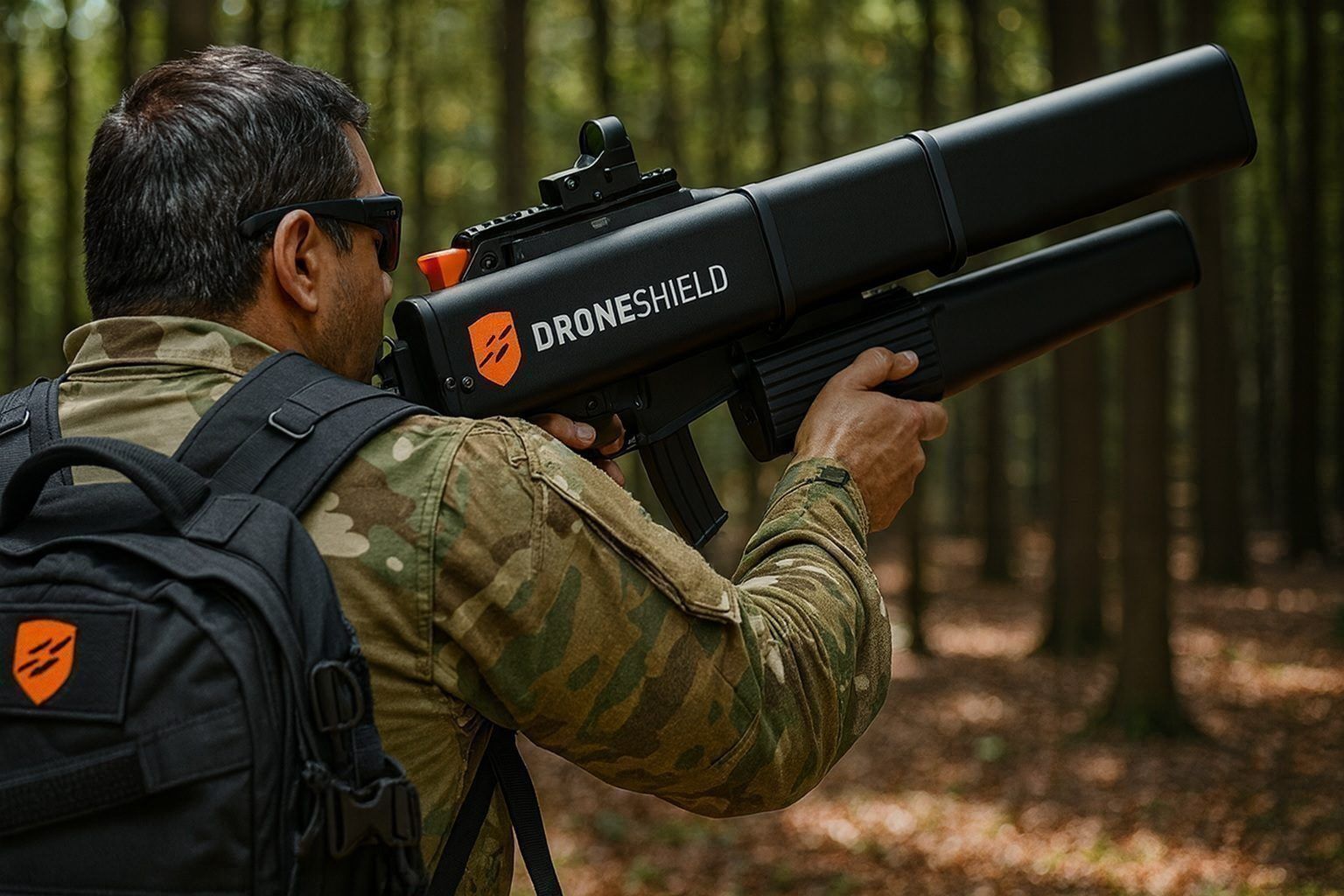
The counter-drone group has been one of the ASX’s more volatile defence-technology names, and the focus is narrowing from headline contract values to delivery schedules, payments and disclosure discipline. Counter-drone, also known as counter-UAS (uncrewed aerial systems), refers to technology designed to detect, identify and disrupt drones.
That shift matters now because DroneShield has pointed to a record contracted revenue base entering 2026, while also flagging governance and reporting process changes that investors will want to see embedded ahead of full-year reporting.
In its most recent price-sensitive update, DroneShield said on Dec. 30 it had received an A$8.2 million order through an in-country reseller for a western military end-customer, covering handheld counter-drone systems, accessories and software updates. The company said delivery was expected by the end of 2025 or early in the first quarter of 2026, with payment expected in the first quarter.
The stock opened at A$3.45 and traded as low as A$3.24 before finishing at A$3.31, with about 14.9 million shares changing hands, Investing.com data showed. DroneShield’s 52-week range spans A$0.585 to A$6.705, underscoring the swingy sentiment around the name. Investing
DroneShield has argued it can scale quickly if demand holds. In a December investor presentation, the company said gross profit margin was about 65% and fixed cash costs were about A$100 million a year, adding that audited results for 2025 were due in February as part of its annual report.
Governance remains a watchpoint after late-2025 scrutiny around disclosure and share trading. The company said on Dec. 22 it would introduce a mandatory minimum shareholding policy for directors and senior management, update its securities trading and continuous disclosure policies, and review remuneration structures, with an update intended for its remuneration report published in February 2026.
Macro risk can still whip around high-beta small caps. “Asia’s immediate market reaction has been muted,” David Chao, global market strategist for Asia-Pacific at Invesco in Singapore, said in a Reuters markets wrap, even as investors look ahead to a busy run of data. In Australia, the next monthly CPI indicator release is due on Jan. 7, followed by U.S. CPI on Jan. 13, while the next Reserve Bank of Australia rate decision is scheduled for Feb. 3. Reserve Bank of Australia
But the downside case for DroneShield is straightforward: contract-heavy revenue can be lumpy, and any slippage in delivery or payment timing could pressure cash conversion and reignite volatility. Further missteps on disclosure or governance would also risk widening the discount investors apply to future orders.
For now, traders will watch whether the stock holds above Monday’s A$3.24 low and whether it can reclaim A$3.45, the day’s high, while the market looks to DroneShield’s next reporting milestone on Feb. 24, when calendars show the company is due to release its annual and preliminary report. Investing