SYDNEY, Jan 4, 2026, 09:34 ET — Market closed
- JPMorgan Chase cut its voting power in DroneShield to 5.40% from 6.41%, a substantial holder notice showed.
- DroneShield last closed at A$3.33 on Friday, up 8.1%, after trading between A$3.05 and A$3.36.
- Next catalysts include the U.S. jobs report on Jan. 9 and DroneShield’s December-quarter cash-flow filing due by Jan. 31.
DroneShield shares are set for attention when markets reopen after JPMorgan Chase & Co trimmed its stake in the Australian counter-drone maker, a regulatory filing showed. The stock last closed Friday at A$3.33, up 8.1% on the day, according to Investing.com data.
The move matters because DroneShield is heading into its next cash update after a contract-driven rally late last month, leaving the stock prone to sharp positioning shifts. A big-holder change can also influence liquidity in a name that has swung sharply on headlines.
It also lands with the company nearing its next quarterly cash-flow disclosure, which investors often use to test whether contract announcements translate into cash receipts. That “cash-to-contract” check is especially relevant for defence suppliers, where deliveries and payments can be lumpy.
In a Form 604 notice — the Australian disclosure required when a “substantial holder” (an investor with 5% or more) changes its interest — JPMorgan said its voting power in DroneShield fell to 5.40% from 6.41%. The change was dated Dec. 29 in the Form 604 filing.
The notice showed JPMorgan and its affiliates’ interest fell to about 49.29 million shares from 58.53 million shares. The filing linked the position to a mix of activity including purchases and sales, securities lending and prime-brokerage related arrangements.
At Friday’s close, DroneShield sat about 50% below its 52-week high and more than five times above its 52-week low, data showed. Traders will be watching A$3.36 — Friday’s intraday high — as a near-term test, with support around A$3.05, the session low.
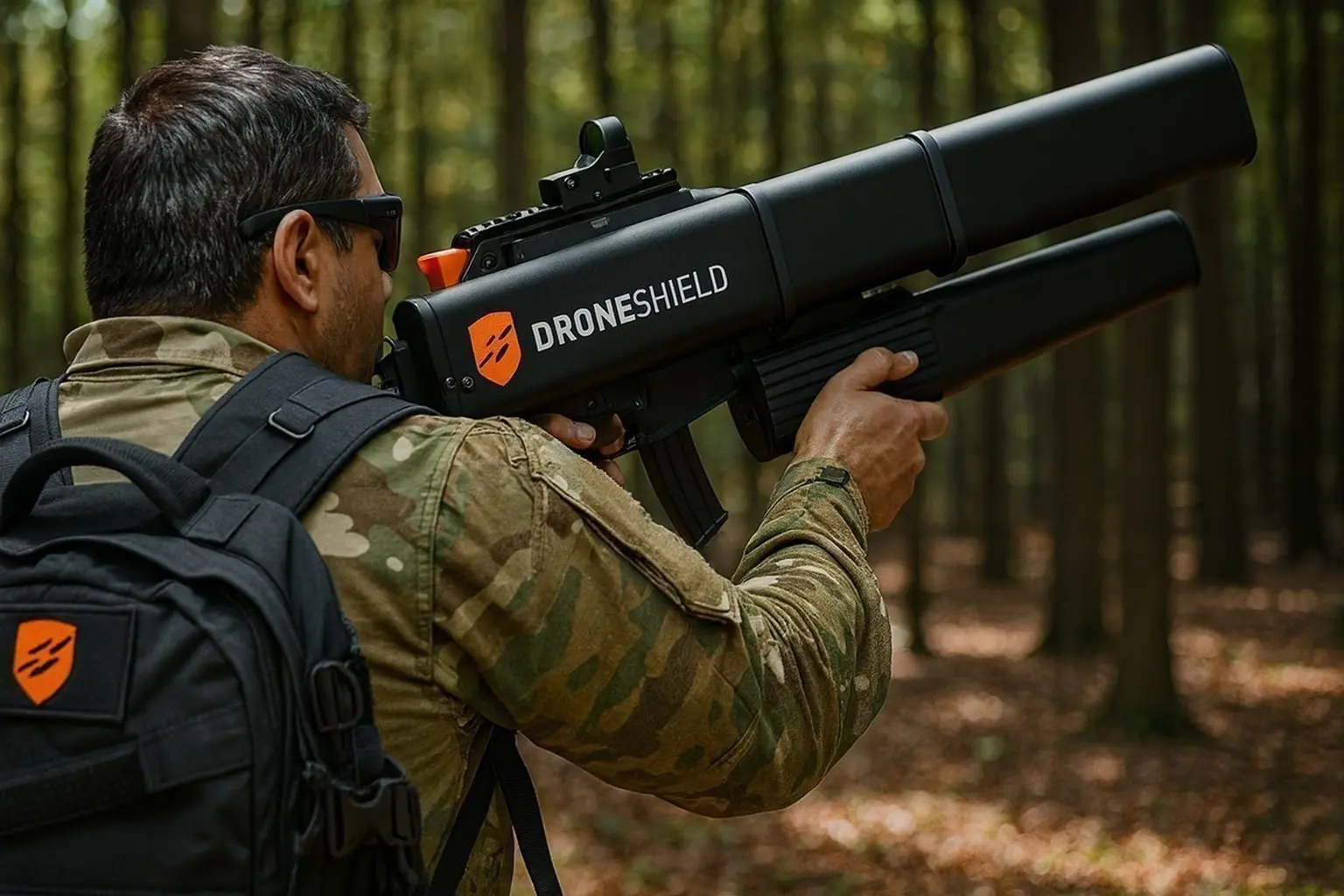
DroneShield’s latest run has followed fresh contract headlines. On Dec. 30, the company said it received a $8.2 million order for handheld counter-drone systems, accessories and software updates supplied via an in-country reseller for a western military end-customer, in a Dec. 30 ASX statement.
DroneShield said it expected delivery by the end of 2025 or early in the first quarter of 2026, with payment expected in the first quarter. It also said it was entering 2026 with about $97.7 million in “locked in revenues,” excluding the Dec. 30 hardware revenues depending on final delivery timing.
A week earlier, DroneShield said it won a $6.2 million contract for an Asia Pacific military end-customer, involving selected third-party hardware integrated with its DroneSentry-C2 command-and-control software. Delivery and payment are expected in 2026, the company said.
But the stock remains exposed to execution risk. Defence procurement can be uneven, and DroneShield typically sells through resellers and does not name end-customers in its contract announcements, limiting investors’ ability to track repeat demand. “Investors have lost confidence in the stock,” said Ron Shamgar, head of Australian equities at TAMIM Asset Management, in a November Reuters report.
Macro risk is also on the radar for high-beta names. The U.S. Labor Department’s employment report for December is due on Friday, Jan. 9, a key input for rate expectations and broader risk appetite.
For DroneShield, the next hard catalyst is its December-quarter Appendix 4C filing — a quarterly cash-flow statement — alongside the activity report. ASX rules require the Appendix 4C within one month after quarter-end, which puts a Jan. 31 deadline on the update that investors will scan for cash receipts, order conversion and any further large-holder moves.