
New York, January 11, 2026, 20:04 EST — Markets have closed.
- Frontline enters Monday with a fleet renewal plan linked to its largest shareholder laid out.
- The deal replaces older VLCCs with scrubber-equipped newbuild contracts, pushing cash outlays into 2026–27.
- Freight rates and fuel costs are under close watch by traders looking for signs on 2026 cash flow.
Frontline plc shares head into Monday’s trading boosted, following the tanker owner’s announcement of a fleet overhaul that lifted the stock over the weekend. The U.S.-listed shares ended Friday up roughly 2.2%, closing at $24.98.
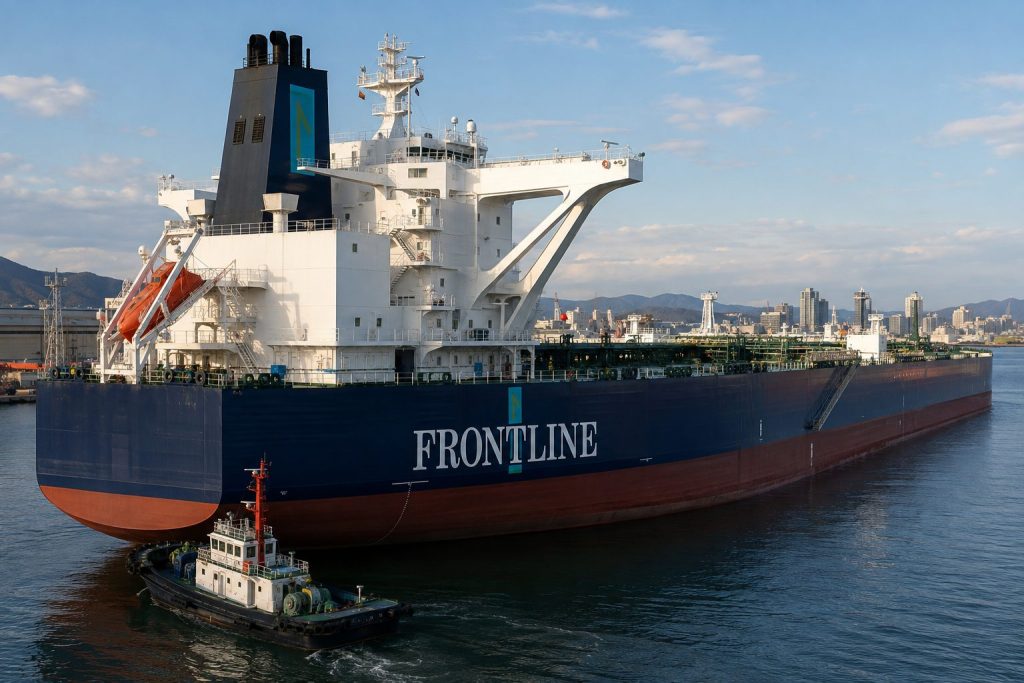
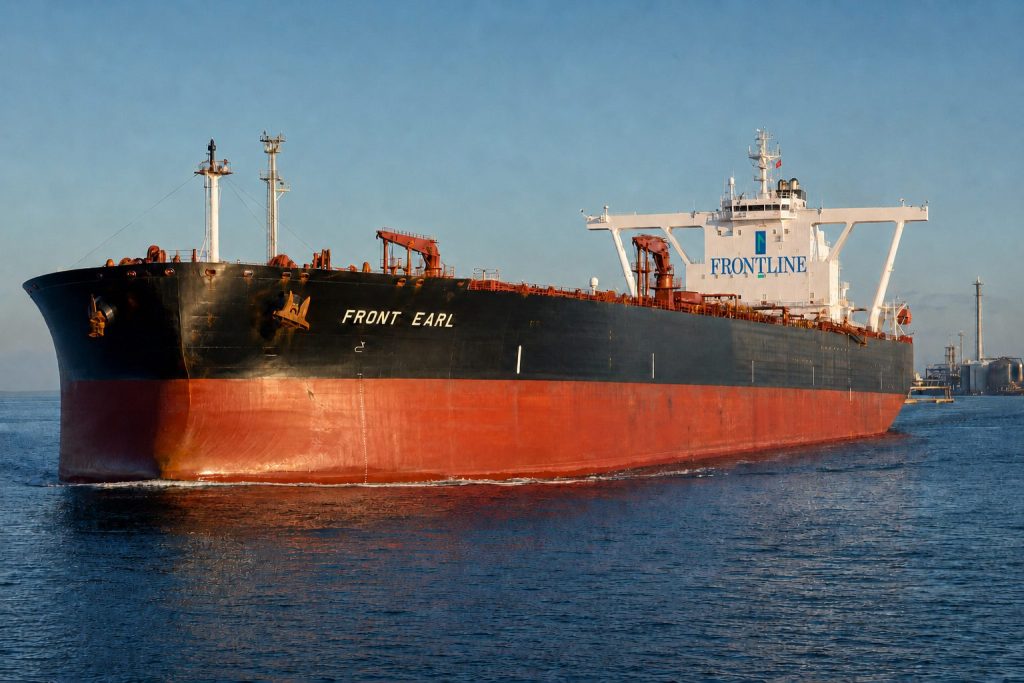
Frontline announced on Jan. 9 that it will offload eight of its oldest first-generation ECO VLCCs, built between 2015 and 2016, for $831.5 million, with deliveries slated for the first quarter. The company anticipates roughly $486 million in net cash after repaying debt, alongside a first-quarter gain ranging from $217.4 million to $226.7 million. Simultaneously, it agreed to acquire nine latest-generation, scrubber-equipped ECO VLCC newbuild contracts for $1.224 billion from an affiliate of Hemen Holding, Frontline’s largest shareholder. CEO Lars H. Barstad described the transaction as a swap of “10-year-old” vessels for “latest-generation” tonnage at “very firm pricing.” Frontline said its fleet will expand to 81 vessels once the deals are finalized.
That’s significant since tanker shares often act as a lever on freight rates. On the key Middle East Gulf-to-China VLCC route, rates rose to WS74.17 last week. According to the Baltic update, this translates to time-charter equivalent earnings — the daily profit after voyage costs — of roughly $55,540.
Scrubbers factor heavily into the strategy. These exhaust-cleaning systems allow ships to burn higher-sulphur fuel while still complying with sulphur regulations, so fluctuations in fuel spreads can alter the economics. Reuters noted that the premium for high-sulphur fuel oil in Asia versus the West hit an eight-month peak on Friday. Royston Huan, a fuel oil and feedstocks analyst at Energy Aspects, said the shift “will add an additional source of pressure” on the U.S. Gulf Coast high-sulphur market. Reuters
The purchase price tops the net cash proceeds from ship sales by about $738 million. Frontline is cushioning the impact by scheduling most payments near delivery and relying heavily on long-term debt.
Investors, however, will be keen to assess the final funding package and the speed at which the company can turn proceeds from the disposals into new vessels. The related-party aspect — purchasing from an affiliate of its biggest shareholder — is likely to raise additional scrutiny within shipping circles.
Frontline’s publicly traded rivals like DHT Holdings, International Seaways, and Teekay Tankers remain relevant because they tend to follow the same key drivers: freight and fuel costs. In this environment, a handful of rate announcements can outweigh weeks of news coverage.
The downside scenario is straightforward. Should VLCC spot rates drop again, or if delays in closing conditions hold up deliveries and cash flow, expected profits and cash generation could decline, pushing financing terms to become less favorable for the company.
Traders will watch daily route updates closely next week, alongside oil-flow news that could swing tonne-mile demand. New information on vessel handovers or debt financing timing might also influence the stock’s early moves.
Frontline’s next major event is its Q4 2025 earnings release set for Feb. 27, per the company’s financial calendar. Between now and then, expect the stock to move on interest rate updates, fuel price shifts, and any additional filings related to recent deals.