Ahmedabad, January 18, 2026, 14:10 (IST)
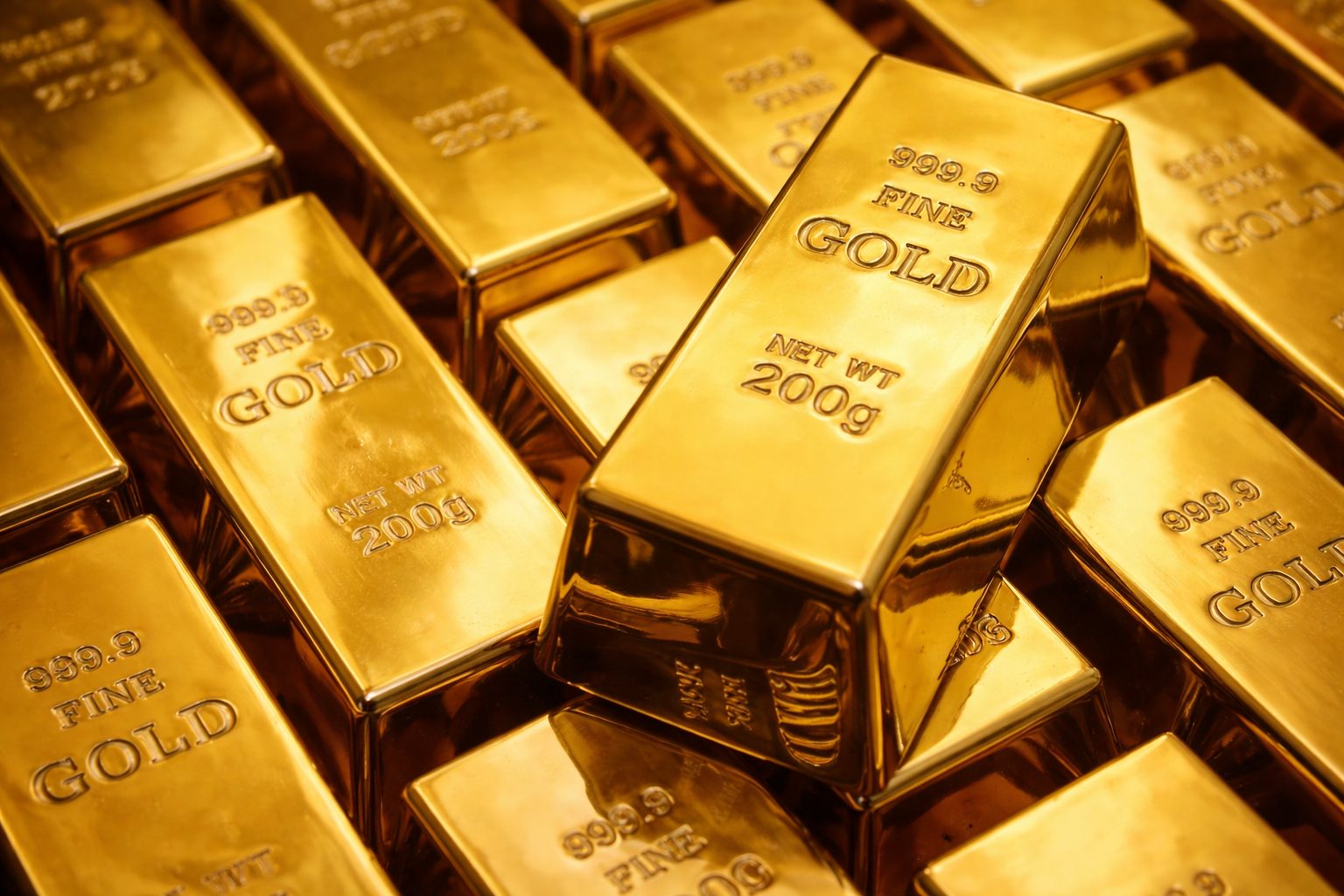
- Gold prices in Ahmedabad climbed to a record 146,300 rupees per 10 grams, driven by an uptick in safe-haven demand.
- Silver slipped to roughly 275,000 rupees per kg, down from 280,000 reached just a day before.
- Analysts are zeroing in on MCX gold’s technical levels, marking 143,000 rupees per 10 grams as a crucial resistance point.
Gold soared to a new high of 146,300 rupees per 10 grams in Ahmedabad on Saturday, according to bullion dealers, as investors looked for safe havens amid ongoing geopolitical tensions. Silver retreated slightly after a recent surge, settling around 275,000 rupees per kilogram, down from 280,000 the previous day. https://timesofindia.indiatimes.com/city/a…
This move is significant as it holds India’s retail gold prices close to peak levels following a volatile week, just as wedding and festival seasons approach—times that usually boost jewellery sales. With prices surging, buyers often respond by reducing the amount they purchase, trading in old items, or opting for lower-purity pieces.
The World Gold Council reported on January 16 that international gold prices jumped nearly 6% in the first 13 days of 2026, topping $4,600 an ounce. Indian prices followed suit, climbing to 139,799 rupees per 10 grams. Kavita Chacko, the council’s India research head, noted that “elevated gold prices have tempered gold jewellery purchase volumes.” The council also highlighted record inflows into Indian gold exchange-traded funds (ETFs) in December—these are stock-market funds backed by physical gold. https://www.gold.org/goldhub/gold-focus/20…
Dealers in Ahmedabad highlighted conflict risks, volatile markets, and bets on future rate cuts from major central banks—factors that usually boost non-yielding assets such as gold. Despite a recent dip, some of that capital remains in silver.
Rising prices are reshaping buying habits. According to the council, shoppers are sticking to budgets and opting for lighter items with lower purity. Carat measures purity, with 24-carat almost pure gold, while 22-carat and 18-carat remain popular choices in jewellery.
Listed jewellery chains continue to report robust rupee growth despite a dip in volumes. The council noted that revenue gains for the October-December quarter ranged between 37% and 51% year-on-year for listed firms like Titan and Kalyan Jewellers, attributing much of the increase to higher prices.
Buying isn’t limited to the counter. The council noted that investment demand is holding firm, attracting fresh buyers eager to ride the price momentum.
Digital gold is gaining traction, with more people buying small amounts online and keeping them in vaults until they decide to sell or take delivery. According to the council, digital gold purchases through UPI, India’s instant payments system, jumped from 8 billion rupees in January to 21 billion rupees by December. This growth came despite a short drop after regulators warned that these products aren’t covered by existing market rules.
Prices in city gold markets remain patchy. According to data from Goodreturns on January 17, Chennai’s 24-carat gold was priced at 144,870 rupees per 10 grams, with 22-carat at 132,800. Bengaluru and Hyderabad showed 22-carat at 131,800, while Chennai’s 18-carat stood at 110,900. Ponmudi R, CEO of Enrich Money, weighed in on MCX — India’s leading commodity exchange — saying a firm break above Rs 1,43,000 could push the price toward Rs 1,45,000 to Rs 1,48,000 per 10 grams. Still, he pointed to key support levels investors will be monitoring if the rally stalls. https://www.goodreturns.in/news/gold-rates…
The Reserve Bank of India has taken a more cautious approach at current levels. The council reported that the RBI added just 4 tonnes of gold in 2025—the slowest pace in eight years. Meanwhile, total holdings climbed to a record 880.2 tonnes, with price gains pushing gold’s share of foreign exchange reserves to roughly 16%.
Imports are under pressure too. The council put December’s import value at $4.1 billion, with volumes around 35-40 tonnes—far below the 115-tonne monthly average seen during the September-October festive buildup.
At the moment, the market moves on a blend of fear and momentum. Should global risks ease or prices slip beneath crucial support levels, the jewellery buyer might not be the one left holding the bag.