
Westlake, Texas, May 18, 2026, 17:01 CDT
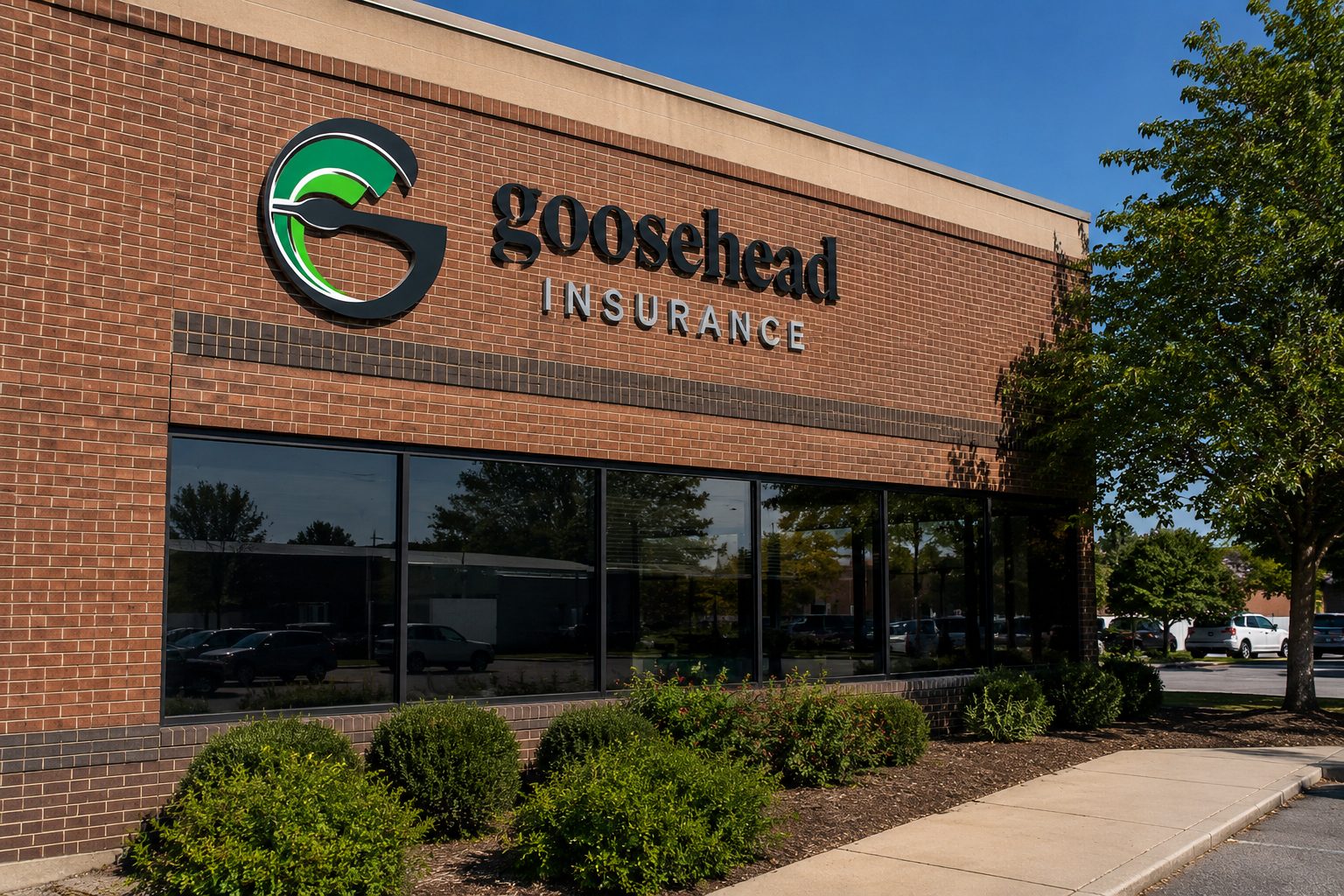
Goosehead Insurance shares ended Monday at $42.14, up about 12% after bouncing back from last week’s selling when JPMorgan cut its price target. The investor site said volume was 511,815 shares, with an intraday move between $38.58 and $42.25, based on delayed LSEG data.
Goosehead’s rally is catching attention with shares still near the low end of their 52-week range and well off the $114.76 high. Analysts stay split on the stock. Investors are trying to decide if April’s earnings beat and tech spending will be enough to make up for weaker views on insurance distributors and earlier target cuts.
Goosehead stayed at Neutral at JPMorgan after analyst Pablo Singzon cut the price target to $55 from $58, per a Benzinga story cited by Sahm Capital. The updated target lands above Monday’s close, though Singzon is staying on the sidelines with the Neutral.
Brokerages have made changes to price targets, according to MarketBeat. Piper Sandler, Truist, Bank of America, BMO Capital, and more moved targets recently. The stock sits at a Hold consensus. There are seven Buys, five Holds, and two Sells.
Goosehead Insurance turned in a first-quarter update that bulls can use. The company posted a 23% jump in revenue to $93.1 million. Net income rose to $8.0 million from last year’s $2.6 million. Adjusted EBITDA was up 57% at $24.4 million.
Mark Miller, CEO, said in April the Digital Agent 2.0 platform now covers several homeowners products and called the move a “game changer.” Goosehead said it’s been using AI to improve efficiency, and that tech and professional services spending went up. Goosehead Insurance, Inc.
Goosehead runs a personal-lines insurance operation, selling through both corporate and franchise outlets in the U.S. The company says it works with over 200 insurance carriers for both personal and commercial policies.
Goosehead’s jump was notable while the broader market fell. The Nasdaq Composite slipped 0.51% Monday as tech names weighed. Other insurance brokers—Arthur J. Gallagher, Brown & Brown and Aon—closed up too, but their gains were more muted than Goosehead’s.
But the run in shares hasn’t cleared up the risks. Goosehead’s own warnings point to pressure from carrier conditions, turnover in leadership, and problems getting or keeping franchisees as possible threats to future results. Recent analyst downgrades also signal Wall Street is still questioning whether growth and margins will hold up.
Goosehead is guiding for organic revenue growth of 10% to 19% and total written premiums rising 12% to 20% in 2026. Shares traded higher Monday. The key question from here is if Goosehead can use its digital investments to speed up policy growth while keeping costs in check.
Related articles: Stock Market