
New York, June 2, 2026, 15:01 (EDT)
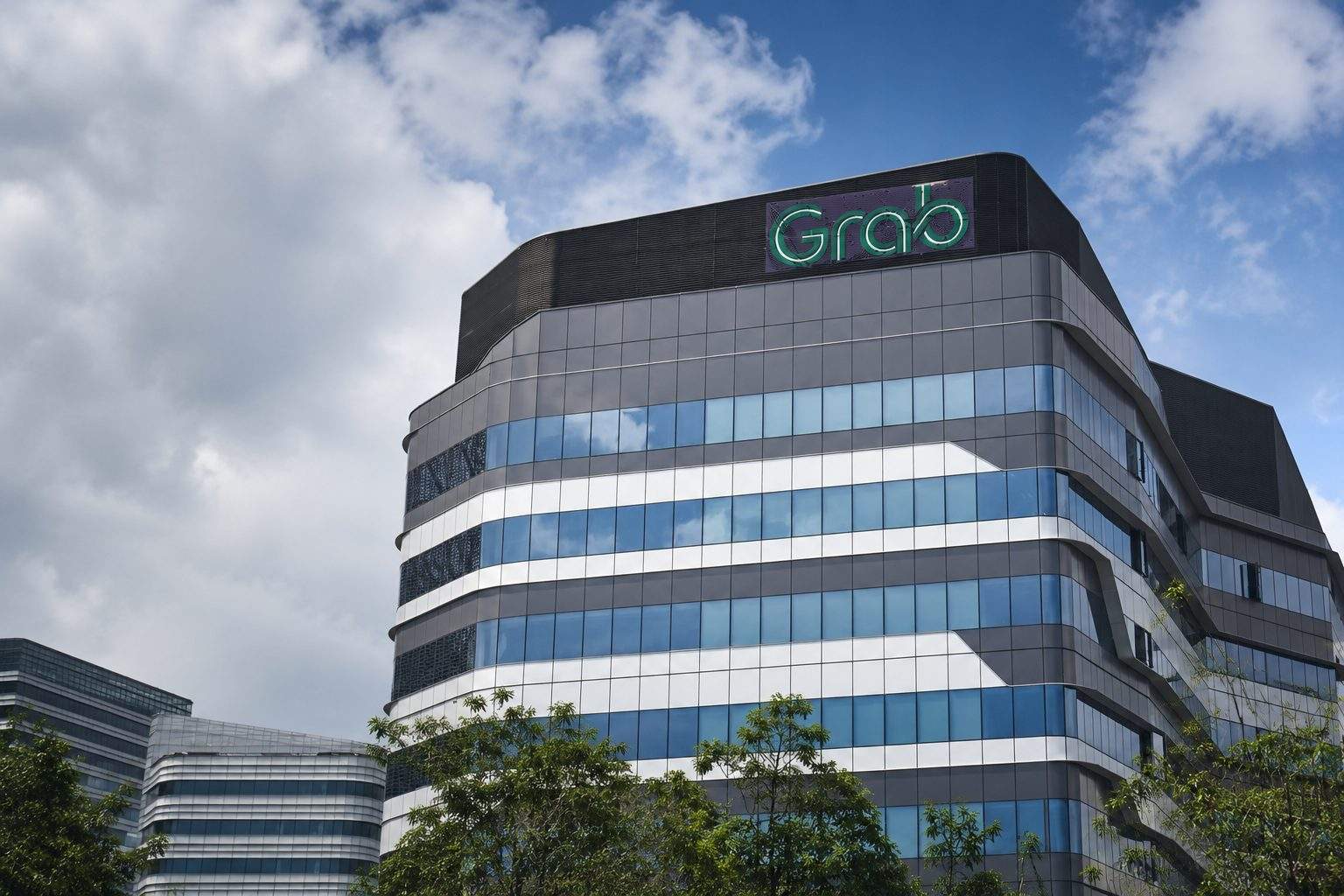
Grab Holdings edged lower in Nasdaq trading on Tuesday, a muted move that left the Singapore-based superapp’s shares pinned near recent lows while investors weighed profit gains against the cost of its next leg of growth. The stock was recently at $3.60, down 0.3%, after trading between $3.59 and $3.66; volume stood at about 30.7 million shares and the company’s market value was about $14.2 billion.
The small price move matters because the debate around Grab is no longer just about app usage. Investors are trying to decide whether the company can keep expanding in ride-hailing, food delivery and finance while producing cleaner cash returns.
Grab’s first-quarter revenue rose 24% from a year earlier to $955 million, while on-demand gross merchandise value, or the total value of transactions on its platform, rose 24% to $6.1 billion. Profit for the period was $120 million, and adjusted EBITDA — earnings before interest, tax, depreciation and amortisation, excluding some items — rose 46% to $154 million.
Chief Executive Anthony Tan called it a “strong start to 2026,” while finance chief Peter Oey said the quarter kept Grab on track for full-year revenue of $4.04 billion to $4.10 billion and adjusted EBITDA of $700 million to $720 million. The company left that outlook unchanged.
That guidance still carries a note of caution. Reuters reported in February that Grab’s 2026 revenue forecast was below Wall Street expectations, and Oey told Reuters the company would continue to “make our rides affordable” while putting more emphasis on grocery, which he said was growing faster than food delivery. Reuters
The market backdrop did not help much. Wall Street was little changed on Tuesday as enthusiasm around artificial intelligence was offset by Middle East tensions, while investors waited for U.S. labour data later in the week.
Grab’s move was milder than some app and platform peers. Uber fell about 3.1%, DoorDash lost about 5.4%, and Southeast Asian internet group Sea slipped about 2.5% in U.S. trading, keeping the pressure on consumer-internet names that depend on discretionary spending and delivery demand.
The next accounting change is in Indonesia. A May 20 filing showed Grab will consolidate PT Super Bank Indonesia Tbk, known as Superbank, after Singtel transfers its stake to GXS Bank, Grab’s digital banking joint venture with Singtel; Grab’s combined direct and indirect holding will rise above 50%, making Superbank’s results part of Grab’s financial services segment.
Superbank is not small. Grab said the bank has more than 6 million customers, daily transactions above 1 million, and reported its first full-year profit in 2025. Grab President and Chief Operating Officer Alex Hungate said the bank has “two structural advantages”; Superbank President Director Tigor M. Siahaan said the move should strengthen “collaboration within our ecosystem,” and GXS Bank CEO Pei-Si Lai said the banks share a goal of “making financial services more accessible.” SEC
The bull case is straightforward: more users, more transactions, better advertising, and a finance arm that can lend and take deposits inside an ecosystem already used for rides, food and payments. It is a familiar platform story. It is also harder to prove when consumers are watching prices.
But the risks are real. Grab said in its annual filing that its profitability depends on managing incentives and overheads, and that digital banking adds credit, fraud, liquidity, regulatory and operational risks; it also flagged fuel costs, inflation and currency swings as factors that could hurt demand or partner supply. If Superbank expands loans too quickly, or if Grab has to spend more on discounts to hold share, stronger revenue may not flow through to free cash flow.
For now, Tuesday’s tape showed restraint rather than a verdict. Grab is growing, and it is closer to the profit profile investors wanted. The stock, though, is still asking for proof that growth in Southeast Asia’s everyday app can come without a heavier bill.
Related articles: NASDAQ:GRAB