
London, May 21, 2026, 09:14 (BST)
- UK savers are dealing with incorrect tax-code changes following mistakes in savings-interest data, reports said.
- Zopa said a reporting error could mean hundreds of customers got their cash ISA interest listed as taxable, when it shouldn’t have been.
- HMRC says taxpayers need to get in touch if the information it has is incorrect.
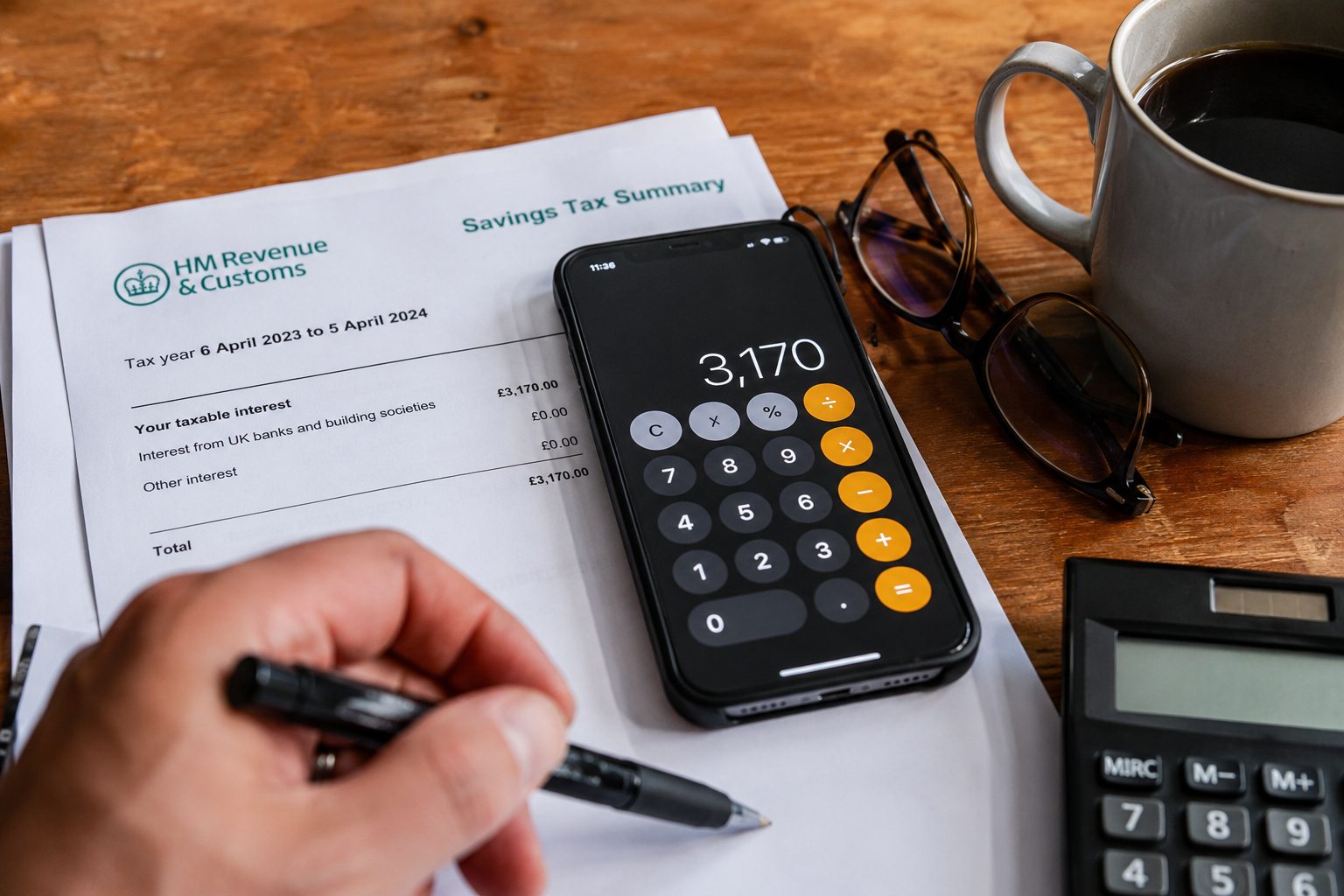
UK savers could be overpaying tax after HM Revenue & Customs changed PAYE codes using faulty savings-interest figures, several reports said overnight. Issues include double-counted interest, mismatched estimated interest, and cash ISA interest wrongly classified as taxable. ISAs aren’t subject to tax.
HMRC is using more bank and building-society data now to take savings tax without telling most people to file a return. With PAYE, tax comes out of wages or pensions using a tax code. If the code is off, people might see less pay before they catch the mistake.
It comes as more people face tax on savings interest. The government plans to lift savings income tax rates to 22%, 42% and 47% in April 2027. The personal savings allowance stays the same, so the amount of interest allowed tax-free does not change.
GB News reported, citing the Telegraph, that HMRC told a worker they had £3,847 in untaxed savings interest when it was actually £94. This led to a tax overpayment of £1,476 for 2025-26 and a £200 monthly cut in pay. HMRC fixed the mistake only after the worker’s case was flagged.
Zopa said “hundreds” of its customers may have had tax codes changed after it sent the wrong tax-free cash ISA interest figures to HMRC, The Telegraph reported. GB News reported Zopa found the mistake Oct. 7 and fixed the data that day, but some people still got surprise tax bills. The Telegraph
HMRC tells UK banks and building societies to send in yearly returns listing interest paid or credited to reportable customers. HMRC uses these returns to pre-fill tax accounts, send PAYE coding notices, and check self-assessment tax returns.
The system is supposed to reduce paperwork, but if the data comes in wrong, the burden often falls on taxpayers.
Robyn Lovatt at Shackleton said savings interest numbers are going into HMRC codes “without any clear breakdown,” and people are “playing catchup” with numbers that might be off. Mike Warburton, tax columnist, said taxpayers should check HMRC’s figures: “You have to check it.” GB News
Low Incomes Tax Reform Group says HMRC’s savings-interest data is often a decent first step but isn’t always final. Joint accounts, duplicate numbers, or old estimates can lead to mistakes. The group says anyone who thinks the HMRC calculation is off should ask for a full breakdown.
HMRC’s public guidance says it uses last year’s savings interest to estimate what people will earn this year if they are working or getting a pension, adjusting the tax code to collect tax automatically. Banks and building societies report how much interest was earned after the year ends.
HMRC is telling people to get in touch if they think the agency has their tax info wrong, with a spokesman saying the department doesn’t want anyone to pay more or less tax than they should and promising to “put things right.” HMRC said it updates tax codes using the latest data from financial institutions. GB News
The risk swings both ways. If the data is wrong, savers can get overcharged, but errors can also mean missing tax for the government. Officials are already pushing for more third-party data from banks and other financial firms. With the next reporting reforms, some customers will have to give National Insurance numbers for accounts that pay interest. Firms sending interest-income data will also have to report more often, now including quarterly updates.
Savers face a simple but key task right now: compare their tax code with their bank statements and ISA records. If the code lists interest that isn’t real or counts interest from a cash ISA, HMRC is the first stop for questions — sometimes the bank that reported the data is involved too.