Mumbai, January 6, 2026, 15:20 IST — Regular session
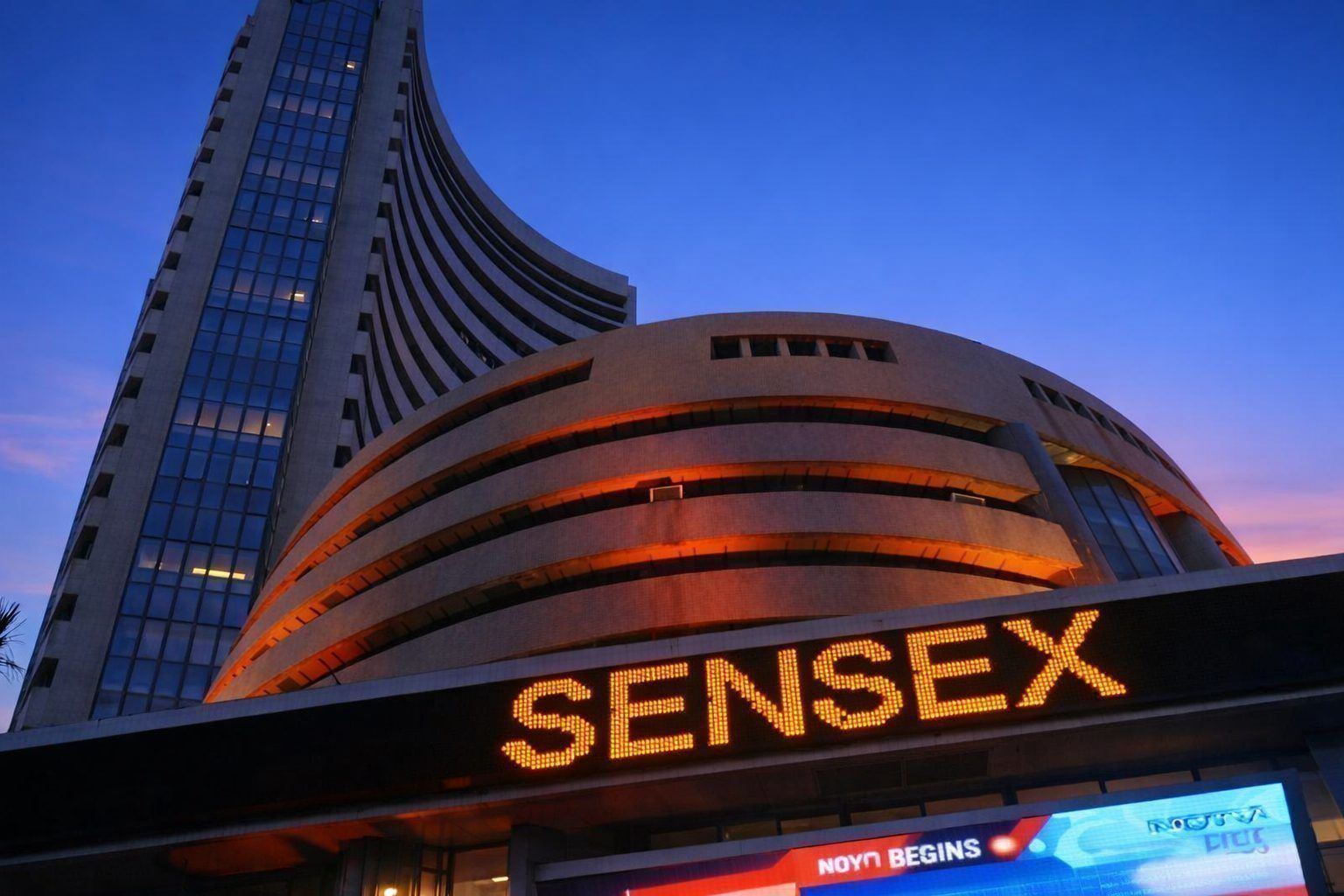
Indian equities were lower in late afternoon trade on Tuesday, with heavyweight stocks keeping benchmarks under pressure. The Nifty 50 was down 0.34% at 26,159.90 and the Sensex was off 0.47% at 85,037.57 at 3:02 p.m. IST, with decliners outnumbering advancers.
The pullback follows a rally that took the Nifty to an intraday record of 26,373.20 on Monday before it reversed to close 0.30% lower at 26,250.3, while the Sensex ended down 0.38%. Trade worries sharpened after U.S. President Donald Trump said tariffs on India could be raised if New Delhi does not curb purchases of Russian oil, on top of existing U.S. tariffs of up to 50%, while IT shares slid ahead of quarterly results due from next week. Reuters
HDFC Bank’s provisional December-quarter update has also kept attention on deposit mobilisation, a key driver of loan growth. “Given the current deposit mobilisation trends, we believe there is a downside risk to our deposit growth estimates,” analysts at Macquarie said. Reuters
On Tuesday, Reliance Industries and HDFC Bank led the drag among blue-chips in early trade, down 3% and 1.6%. Reliance said it “does not expect any Russian crude deliveries in January,” and “sentiment remains subdued due to geopolitical tensions and … trade frictions,” said Ajit Mishra, senior vice president of research at Religare Broking.
Stock-specific moves were sharp. Trent fell 7.5% after its business update, Tata Motors Passenger Vehicles slid after its unit JLR flagged a 43.3% drop in third-quarter volumes following a cyber incident, while Kotak Mahindra Bank and Axis Bank rose after upbeat updates and Emmvee Photovoltaic Power jumped after Jefferies initiated coverage with a “buy” rating.
Energy names were a key weak spot, with the Nifty Oil & Gas index down 2.07% at 11,962.20 at 2:16 p.m. after hitting its lowest since Dec. 30; BPCL and HPCL were among the laggards. Globe Capital Markets flagged a near-term “support” zone — a level where buyers often step in — around 11,750–11,690 for the sector gauge. Business Standard
In currency markets, the rupee firmed after state-run banks sold dollars, touching 90.0900 per dollar from Monday’s close of 90.2750, though traders said importers used the bounce to hedge, or lock in future exchange rates. “The decent dips (on dollar/rupee) are still used to hedge … that behaviour hasn’t really changed,” a banker said. Reuters
Domestic data offered a mixed cue on demand. A survey showed services growth cooled to an 11-month low in December, with the HSBC India Services PMI easing to 58.0 from 59.8, while staying comfortably above the 50 mark that separates expansion from contraction. Reuters
The risk is that tariff rhetoric hardens into policy or oil volatility pushes inflation expectations higher, making investors less tolerant of expensive pockets of the market. Earnings misses, especially in sectors with large U.S. exposure such as IT services, would add to the pressure.
Traders are now watching for fresh tariff headlines and Friday’s U.S. employment report for December 2025, due at 8:30 a.m. ET, for clues on the global rate path and risk appetite.