Bengaluru, January 29, 2026, 16:27 IST — The market has closed.
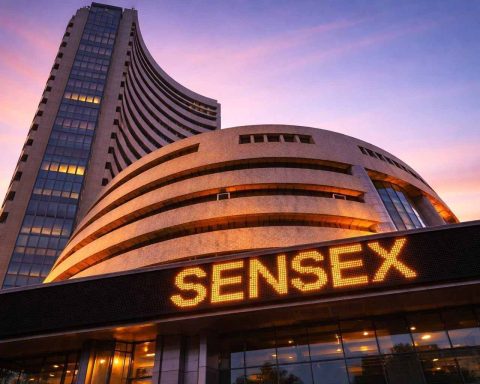
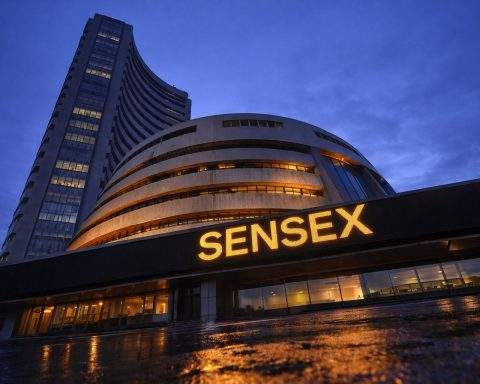
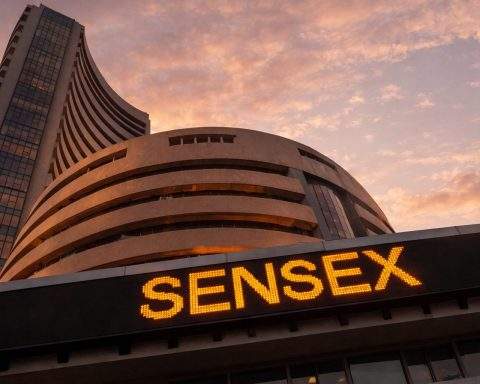
- Sensex climbed 0.27%, while the Nifty 50 gained 0.30%, closing just above 25,400
- Metals and private banks topped the charts, with IT and autos falling behind in a choppy session
- Attention turns to the Union Budget on Sunday, with Indian markets set to trade in a special session
Indian shares rose for a third session in a row on Thursday, lifted by gains in metal, realty, and private bank stocks, which balanced out declines in IT and autos sectors.
The Nifty 50 closed 0.30% higher at 25,418.90, while the Sensex gained 0.27% to finish at 82,566.37. The rupee slipped 16 paise, ending at 91.95 against the dollar. “Domestic markets ended higher after staging a strong rebound, supported by an upbeat economic survey,” said Vinod Nair, head of research at Geojit Investments. Moneycontrol
The rally is crucial as traders race to factor in the government’s annual economic survey ahead of Sunday’s Union Budget. On Budget day, winners and losers often emerge quickly, since it signals tax and spending priorities — and reveals how aggressively New Delhi plans to push capital expenditure.
This year, there’s a twist: markets will open on Sunday, Feb. 1, for a special live session after regular hours. According to an NSE circular, the pre-open runs from 09:00 to 09:08, with the main session kicking off at 09:15 and closing at 15:30.
The tape is mixed for now. Traders continue buying domestically focused sectors, betting the budget will prioritize growth spending, yet they’re watching the currency and oil closely.
Benchmarks dipped about 0.8% earlier but recovered after the survey, with major financial stocks turning positive and closing up 0.6%. Private banks rose 1%, while the IT index slipped 0.8% following the U.S. Federal Reserve’s decision to hold rates. Foreign portfolio investors (FPIs) have offloaded $4.56 billion worth of Indian shares so far this January. “The FY2027 growth outlook reflects a realistic assessment of India’s cyclical momentum,” said Sonam Srivastava, founder and fund manager at Wright Research PMS, highlighting steady domestic demand and capital expenditure. Reuters
Stock-specific moves accelerated into the close, fueled by earnings reports. L&T missed profit estimates this week, weighed down by a one-off labour code expense, and signaled weaker order inflows in infrastructure. Still, its shares managed to outperform by the end of the day. Reuters
Adani Power saw its quarterly profit drop 18.9%, citing softer demand due to prolonged monsoon rains and cooler weather. Despite the decline, the stock climbed following the earnings release. Reuters
The economic survey projects growth between 6.8% and 7.2% for the fiscal year starting in April, while highlighting risks from geopolitics, weak exports, and tariff disruptions. It pointed out the rupee has dropped 5% since U.S. tariffs were announced in August, hitting a record low of 91.9850 per dollar on Thursday. Finance Minister Nirmala Sitharaman called the outlook steady, saying it “requires caution, but not pessimism.” Reuters
New figures are reinforcing the idea that domestic demand remains solid ahead of budget weekend. India’s industrial output jumped 7.8% year-on-year in December, topping forecasts, while manufacturing climbed 8.1%. Aditi Nayar, chief economist at ICRA, noted the boost was “likely aided by post-festival season restocking.” Reuters
That said, the downside risks are obvious. If the rupee keeps slipping and crude prices hold high, import-reliant sectors would take a hit fast, possibly triggering a surge in foreign selling. A budget packed with giveaways or unexpected tax moves could flip a stable market into chaos almost instantly.
Friday marks the final regular trading day ahead of the budget weekend, but the real jolts could hit Sunday, when markets open for the budget announcement. Investors will zero in on details around taxes, capital expenditure, and clues about the fiscal deficit. Equally under scrutiny: whether the rupee’s fall provokes a more decisive reaction this time.