Mumbai, January 20, 2026, 16:16 IST — After-hours
- Indian benchmarks closed sharply lower, while mid- and small-cap stocks saw even steeper declines.
- Trade headlines and foreign fund selling kept risk appetite muted as earnings reports dribbled in.
- Traders are now eyeing the upcoming batch of earnings alongside new cues on tariffs, the rupee, and capital flows.
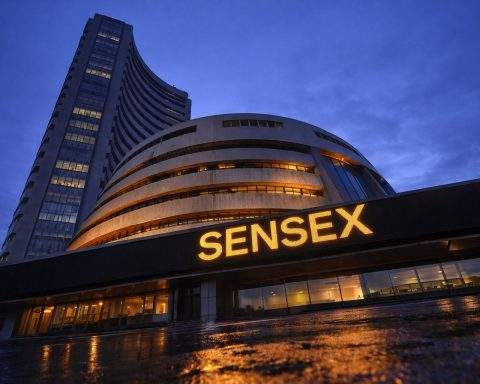
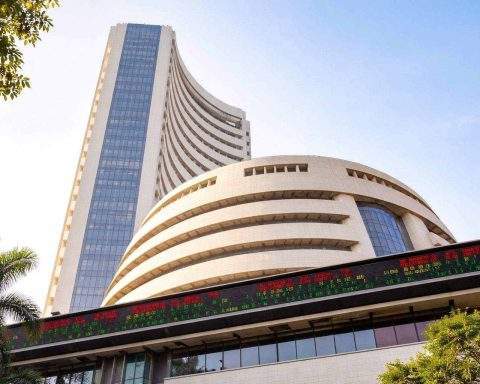
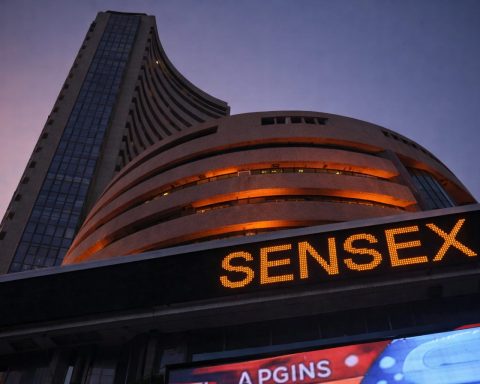
Indian stocks closed sharply lower Tuesday. The Sensex plunged 1,065.78 points to 82,180.47, while the Nifty 50 dropped 353 points, settling at 25,232.50. Selling pressure spanned across most sectors, with the broader market taking a bigger hit. Realty stocks were among the weakest performers. Meanwhile, mid- and small-cap indices tumbled over 2% each. Moneycontrol
The drop left investors grappling with two issues: mixed early earnings and renewed global trade jitters sparked by U.S. President Donald Trump’s tariff threats over Greenland. Foreign portfolio investors — overseas funds — offloaded Indian shares worth 32.63 billion rupees on Monday, pushing January outflows close to $3 billion. Strategist VK Vijayakumar at Geojit Investments warned volatility might persist “till some clarity emerges” on the U.S.-Europe tariff dispute. Reuters
The rupee weighed on sentiment, slipping past 91 against the U.S. dollar in early trading and lingering near its record low. Traders are closely monitoring if the Reserve Bank of India will intervene more aggressively as the currency approaches levels critical for importers and foreign capital flows. Reuters
IT stocks ended the day under pressure. Infosys dropped 1.35%, with Tata Consultancy Services, Wipro, and HCL Technologies also finishing lower. This weighed on a sector that’s played a significant role in driving benchmark volatility this earnings season. MarketWatch
Wipro slipped 2.46%, closing at 239.95 rupees, as the stock continued its retreat following a cautious outlook that unsettled investors earlier this week. MarketWatch
Sector-wise, losses extended well beyond tech stocks. Kranthi Bathini, equity strategy director at WealthMills Securities, pointed out that Nifty’s fall below 25,500—a key support level closely monitored by traders—triggered further selling. He added that “the sentiment remains negative at this point.” Business Standard
Financials took a hit again. Bajaj Finance dropped 3.88% to 933.50 rupees, lagging a shaky market as investors pared risk in consumer-focused lenders. MarketWatch
Reliance Industries dropped 1.40% to 1,393.40 rupees, dragging the benchmarks down due to its heavy index weighting. MarketWatch
Tuesday’s sell-off came after a sluggish Monday, with indexes hitting 10-week closing lows amid disappointing earnings from major players and renewed trade-war concerns. Arun Malhotra, fund manager at CaprGrow Capital, described the situation as a “mixed bag” so far but noted he was leaning “towards the positives” based on IT sector commentary and bank loan growth. That said, jitters persisted over tariffs set to take effect on Feb. 1. Reuters
The setup remains fragile. Should tariff threats turn into actual policy and the rupee hits new lows, foreign selling might pick up pace. Domestic risk appetite could dry up fast — particularly in smaller stocks, where liquidity tends to disappear on volatile days.
On Wednesday, traders will sift through the latest corporate earnings and monitor if foreign capital flows settle, all while eyeing Thursday’s emergency Brussels meeting on the Greenland tariff spat — a headline risk already seeping into Asian markets. nasdaq.com