
SANTA CLARA, Calif., April 1, 2026, 04:24 PDT
- Intel plans to release its first-quarter 2026 results following the close on April 23, and management is set for a 2 p.m. PT conference call that day.
- Back in January, the company set its first-quarter revenue outlook between $11.7 billion and $12.7 billion, aiming for adjusted earnings per share to just break even—both figures landing short of what analysts were expecting at the time.
- Investors want clarity on server-chip supplies, progress with Intel’s 18A process, and if any external clients are signing up for its foundry business.
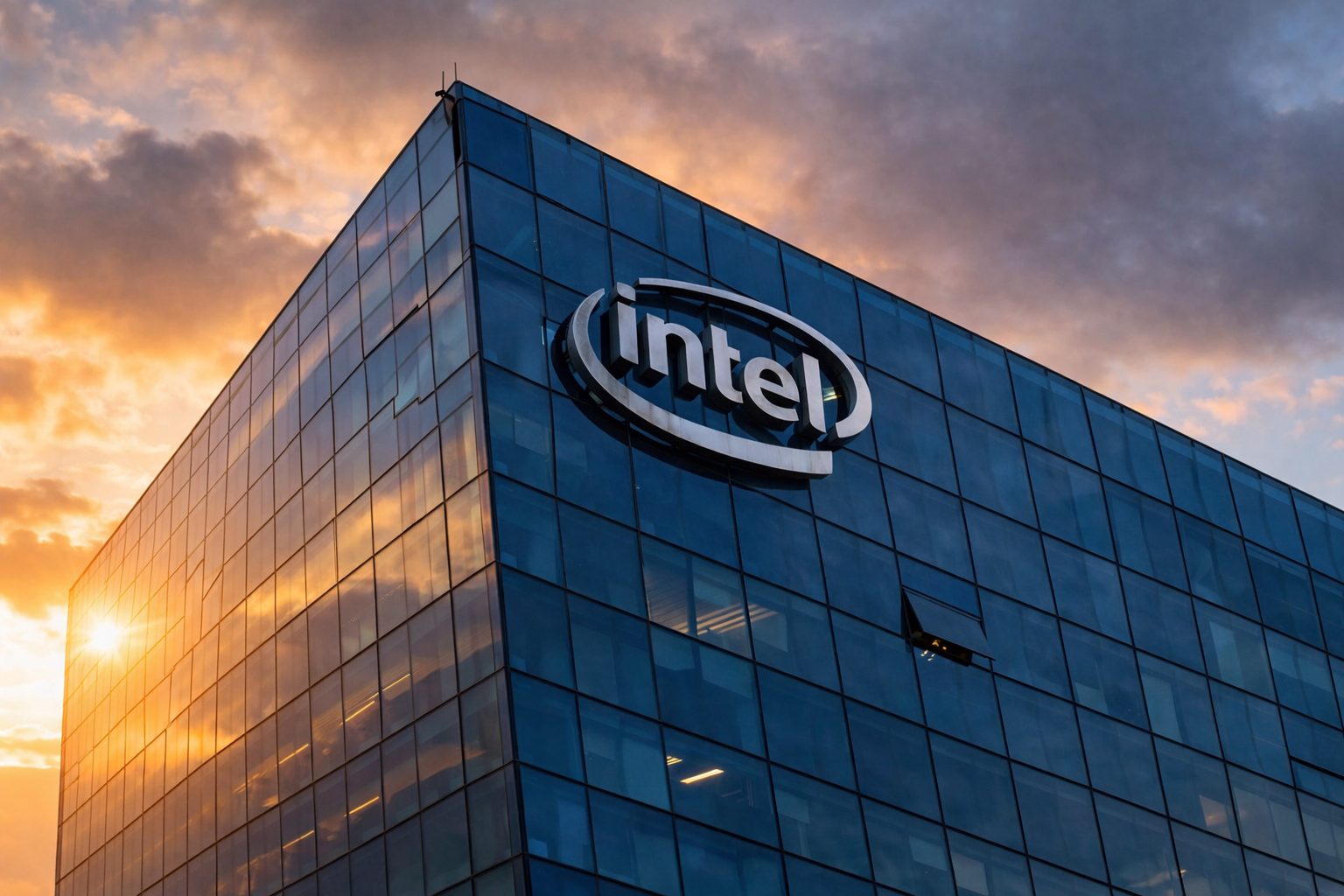
Intel announced Tuesday it plans to release first-quarter earnings on April 23, putting a spotlight on CEO Lip-Bu Tan’s push to stabilize the U.S. chip giant. The figures drop after the closing bell, with a conference call set for 2 p.m. PT.
The timing’s key here, since Intel’s previous guidance disappointed. Back in January, fourth-quarter numbers came in, and the company put out a first-quarter revenue target between $11.7 billion and $12.7 billion, with adjusted EPS flat at zero. By contrast, LSEG analyst estimates were at $12.51 billion in revenue and $0.05 per share.
The April report is shaping up as anything but just another date on the calendar. For investors, the focus is on whether Intel can convert AI-driven server CPU demand into tangible shipment numbers, boost 18A yields—meaning a higher proportion of functioning chips per wafer—and prove its contract chipmaking business can land deals beyond its own ecosystem.
Opinions remain divided. Back in January, Ryuta Makino of Gabelli Funds called the near-term dynamic “set up very well.” On the other side, Michael Schulman at Running Point Capital framed Intel’s rebound as “supply-constrained rather than demand-constrained.” Reuters
Intel is scrambling to regain share from AMD across both PC and server chip markets, even as it tries to convince clients it can actually pull off being a foundry—making chips for other companies—up against Taiwan Semiconductor Manufacturing Co. The company’s also under pressure to hold its ground in the core CPU segment, where its processors run alongside Nvidia’s AI GPUs in data centers.
Supply kept causing trouble. Back in January, Tan acknowledged Intel couldn’t keep up with demand. CFO David Zinsner told Reuters that some cloud clients were “a little bit caught off guard” by how quickly AI server demand ramped up. Intel also flagged that supply would bottom out in the first quarter, then start to recover in the second and later quarters. Securities and Exchange Commission
Manufacturing remains sharply in focus. Intel rolled out its first commercial PC platform on 18A last week, touting more than 125 designs arriving from March 31. Still, Tan called out the process, saying yields are “still below what I want them to be.” Newsroom
Foundry plans have shifted a bit. Back in March, Reuters quoted Zinsner as saying 18A is now “a good node to offer to external customers,” marking a change from previous plans where Intel expected to keep the process mostly for its own products. Reuters
Yet there’s still plenty that could trip up Intel. Ongoing server shortages, stubbornly high memory prices dragging on the PC side, or continued 18A margin strain—any of those could resurface when the April 23 numbers hit. That might put the focus right back on how soon Tan can actually turn all this product buzz into reliable profit.
The company’s Tuesday statement didn’t shed further light on how Intel performed in the first quarter. Early Wednesday, shares traded at $44.13 in the U.S., with investors waiting for the next big update.
Related articles: NASDAQ:INTC