
New York, June 7, 2026, 09:03 (EDT)
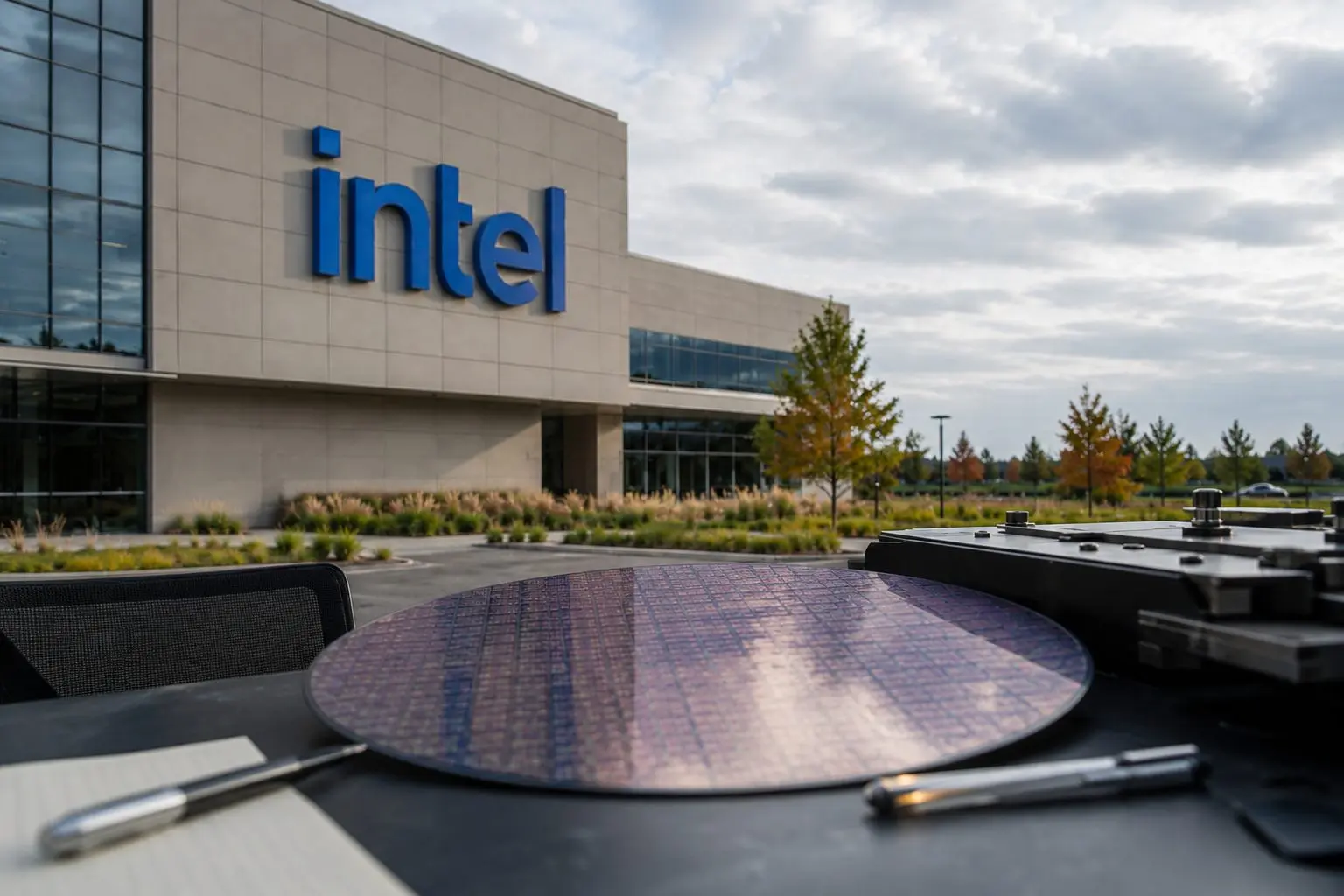
Intel heads into the week with shares last at $99.17, off $12.76, or 11.4%. Volume came in at roughly 145.2 million shares, putting the chip giant’s market value around $504 billion. With U.S. cash markets closed over the weekend, Friday’s finish stands as the latest price for Intel.
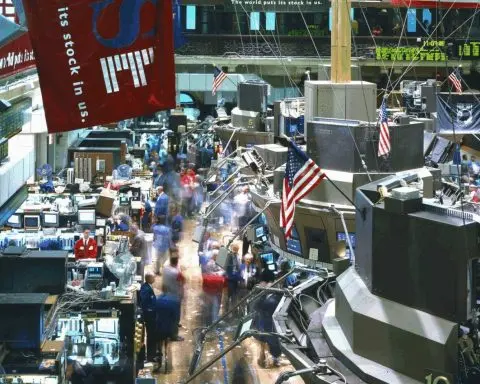
Stocks dropped broadly on Friday, not just in one name. The Nasdaq Composite closed down 4.18%, with the S&P 500 off 2.64%. May jobs data came in stronger than expected, and investors worried that might keep the Federal Reserve hawkish on interest rates, with rate hikes or no cuts to fight inflation.
Chip stocks led declines. The PHLX Semiconductor Index was down 10.3% in its worst single-day drop since March 2020, after Broadcom’s AI-chip forecast missed the mark for investors. Nvidia fell around 6%. AMD dropped nearly 11%. Broadcom shares slid 7.9%.
Ryan Detrick, Carson Group’s chief market strategist, said “the dam just broke today” after the long stretch higher in stocks, led by tech and chips. Dennis Dick of Triple D Trading said “blindly buying the dip” isn’t working anymore. Ohsung Kwon from Wells Fargo said he didn’t think this was “the end” of the bull run for semis. Reuters
Intel had more to say Friday, as it and Hitachi put out a release about their new collaboration aimed at physical AI for real-world systems like robots and industrial equipment. The deal also covers advanced computing and digital infrastructure across manufacturing, energy and mobility. Plans include work in foundry tools, quantum computing, energy optimization, custom silicon, and automating factories.
Intel CEO Lip-Bu Tan said “physical AI will transform the industrial edge” using robotics, autonomous machines and edge devices. Hitachi CEO Toshiaki Tokunaga said the two companies have worked together for over 40 years and the partnership should help roll out AI in key social infrastructure. Hitachi
Foxconn said earlier this week it plans to team up with Intel for work on AI infrastructure, focusing on server racks built with Intel Xeon chips and AI accelerators. Foxconn Chairman and CEO Young Liu said the deal would “combine the strengths of both companies” in hardware, integration, and supply chain. No launch date, financial terms, or customer details were disclosed. Reuters
Intel bulls argue the company can grab a bigger slice of AI infrastructure spending with its CPUs, which do most general computing, and through the AI inference step, where trained models give answers. Back in April, Intel projected Q2 revenue of $13.8 billion to $14.8 billion, topping the $13.07 billion LSEG consensus. Tan told analysts the CPU recovery isn’t “just our wishful thinking.” Reuters
Delivery is still the question. Intel has to prove that its partnerships turn into real volume, and that its foundry unit—building chips for outside customers—can scale up. Any supply problems could still hit demand. J.P. Morgan’s Harlan Sur said it might be another 12 to 18 months before it’s clear how manufacturing is going, and at least five years to know if foundry is actually profitable.
Light calendar for the week leaves investors focused on a few big events. U.S. consumer inflation is due Wednesday, with producer prices Thursday. Oracle and Adobe earnings are coming; both could show if the AI and tech rally can regain its footing after Friday’s slide. SpaceX’s IPO, with the company expected to be valued at $1.75 trillion, is another big deal—could move both attention and money to another headline growth name.
Intel faces a test in the next few sessions. It’s not just about headlines from one deal, but whether buyers come back to chips after the first big pullback in months. If inflation data cools off or if AI-driven earnings hold up, the group could steady. But with rates looking higher or signs of a move out of crowded semiconductor stocks, Intel’s low from Friday could be on the table again.
Related articles: NASDAQ:INTC