Published: December 11, 2025
Intel Corporation (NASDAQ: INTC) has gone from a perceived laggard to one of 2025’s most dramatic comeback stories. The stock has climbed from roughly $19.70 at the start of the year to a recent close just above $40, more than doubling year‑to‑date and outpacing many semiconductor peers. Investing.com+1
Since November 21, 2025, the Intel story has become even more complex:
- The stock jumped on fresh denials of trade‑secret allegations and later surged to new highs on rumors of an Apple foundry partnership. TrendForce+1
- Intel reported a solid third quarter but warned about ongoing manufacturing bottlenecks and near‑term supply constraints. Nasdaq+1
- CEO Lip‑Bu Tan is now under scrutiny over potential conflicts of interest tied to AI start‑up deals, even as he pursues a term sheet to acquire SambaNova Systems. Reuters+1
- Wall Street’s view remains cautious: consensus price targets sit well below today’s share price, despite bullish commentary from some analysts and commentators. MarketBeat+2StockAnalysis+2
This article pulls together the key news, forecasts and analyses from November 21, 2025 through today to help you understand what’s driving Intel stock — and what risks and opportunities lie ahead.
Note: This article is for informational purposes only and does not constitute financial advice or a recommendation to buy or sell any security. Always do your own research or consult a licensed professional.
1. Intel Stock Performance: From Deep Value to Momentum Name
A 103% year-to-date rally
According to a detailed analysis on Investing.com, Intel shares have climbed from about $19.70 in early 2025 to around $39–$40, marking roughly a 103% year‑to‑date gain and turning Intel into one of the semiconductor sector’s standout performers. Investing.com
That rerating has been powered by three big shifts:
- Massive capital inflows
- The U.S. government has provided $8.9 billion of CHIPS Act funding to support Intel’s U.S. fabs. WIRED
- Nvidia injected $5 billion via an equity investment tied to AI foundry collaboration, while SoftBank added another $2 billion, largely aimed at data center and foundry projects. Investing.com+1
- Aggressive cost-cutting and restructuring
- One recent analysis estimates Intel is targeting about $10 billion in annual expense savings, with workforce reductions of roughly 20% from prior levels, taking headcount to around 75,000. Investing.com
- Intel also agreed to sell a majority stake in its Altera FPGA unit, raising roughly $3.3 billion in cash. Nasdaq
- Free cash flow and margin recovery
- After years of negative free cash flow, Intel’s turnaround efforts helped flip FCF positive in Q3 2025, with at least one analysis citing free cash flow of about $4.6 billion and gross margins improving into the mid‑40% range versus the mid‑30% range a year earlier. Investing.com+1
At the same time, Intel’s net income for Q3 was heavily influenced by one‑off gains linked to those large equity investments, underscoring that not all of the profit improvement is yet “pure” operating performance. Datacenter Dynamics+1
2. What Happened on November 21, 2025?
The date November 21, 2025 marked a key inflection in Intel’s news flow and investor sentiment.
2.1. Trade-secret allegations and CEO denial
The immediate catalyst was an escalating dispute involving Taiwan Semiconductor Manufacturing Company (TSMC) and former TSMC executive Wei‑Jen Lo, who joined Intel earlier this year. TSMC has sued Lo, alleging he may have taken confidential information related to advanced process nodes such as N2 and A16. Yahoo Finance+1
On November 21, Intel CEO Lip‑Bu Tan publicly pushed back against suggestions that Intel was benefiting from any misappropriated TSMC trade secrets, calling the claims “rumor and speculation” and stressing Intel’s commitment to respecting intellectual property, according to reports citing Bloomberg and semiconductor research firm TrendForce. TrendForce+1
2.2. Stock reaction and Q4 guidance context
On the same day, Intel stock rose about 2.6%, closing around $34.50, helped by Tan’s forceful denial and ongoing positive sentiment following its strong Q3 earnings report. Perplexity AI+1
A MarketBeat recap highlighted several key datapoints: MarketBeat+1
- Q3 2025 results
- Revenue of roughly $13.65–13.7 billion, up about 3% year over year and above analyst expectations.
- Earnings per share (EPS) of roughly $0.23, far ahead of consensus forecasts near $0.01 and a sharp turnaround from a loss of $0.46 a year earlier.
- Q4 2025 guidance
- Forecast revenue of $12.8–$13.8 billion. Securities and Exchange Commission+1
- Non‑GAAP EPS guidance around $0.08 per share, implying modest profitability as Intel continues heavy investment in its foundry roadmap. Nasdaq+1
Despite the earnings beat, Intel’s net margin remained very slim (around 0.4% in MarketBeat’s figures), reflecting how early the financial turnaround still is. MarketBeat
3. Major Intel Stock Headlines Since November 21, 2025
3.1. Apple foundry rumors and the Black Friday spike
In late November, unconfirmed reports suggested that Apple is seriously evaluating Intel’s next‑generation 18A‑P process for entry‑level M‑series chips, with potential production as early as 2027. Supply‑chain analyst Ming‑Chi Kuo reported that Apple had signed an NDA with Intel and obtained early access to its 18A‑P process design kit. Kavout
The market reaction was explosive:
- On November 28, Intel stock surged more than 10%, closing at $40.67 and setting a fresh 52‑week high. Kavout
- A separate report noted the stock had already climbed 8–10% in the final days of November on speculation that Apple might diversify away from TSMC and tap Intel for a share of its future chip production. Roic
The financial impact of any initial Apple contract (focused on lower‑end M‑series chips) would likely be modest, but the symbolic validation for Intel’s foundry ambitions would be enormous. If Apple trusts Intel’s 18A process for its own silicon, it sends a powerful signal to other potential foundry customers. Kavout+1
3.2. Wafer shortages and pricing moves for Lunar Lake and Arrow Lake
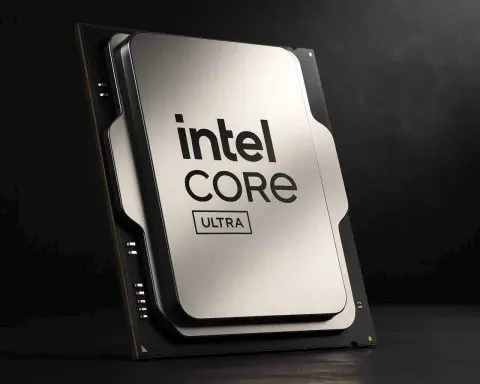
Shortly after the Apple rumors, Intel executives acknowledged ongoing supply constraints. At the UBS Global Technology and AI Conference, Intel’s vice president said the company would be selling more of its new Core Ultra 200‑series (“Lunar Lake” and “Arrow Lake”) chips if it had access to more advanced wafers from TSMC’s N3B (3 nm‑class) process. Tom’s Hardware+1
Key points from Tom’s Hardware and conference commentary: Tom’s Hardware+2Nasdaq+2
- Intel is short of leading‑edge wafers for client CPUs relying on TSMC, even as its own fabs are still heavily loaded with older Intel 7 and Intel 10 nodes.
- To balance supply, Intel is:
- Lowering prices on Lunar Lake and Arrow Lake parts to cover more of the PC market stack.
- Raising prices on older Raptor Lake chips produced on Intel 7, where capacity is tight but demand remains strong.
- Intel also flagged that, at least for Q4 2025, it will prioritize datacenter products over entry‑level PC CPUs because datacenter chips carry higher margins.
These constraints limit how quickly Intel can translate strong demand for its latest AI‑focused PCs into revenue growth — a classic “good problem” that still caps near‑term upside. Nasdaq+1
3.3. CEO under fire: trade‑secret dispute and conflict-of-interest allegations
Intel’s comeback has been closely tied to CEO Lip‑Bu Tan, a veteran venture capitalist appointed in March 2025. But his leadership is attracting growing scrutiny on two fronts:
- TSMC trade‑secret investigation
- Taiwanese authorities and TSMC are investigating whether former TSMC executive Wei‑Jen Lo improperly transferred advanced process information to Intel. Yahoo Finance+1
- Tan has repeatedly denied any wrongdoing, insisting Intel respects IP and dismissing espionage allegations as baseless. TrendForce+1
- Conflict-of-interest concerns around AI startup deals
- A Reuters investigation reports that Intel pursued deals involving companies in which Tan had significant personal stakes, notably AI chip startups Rivos and SambaNova. Reuters
- In one case, Tan was both Intel’s CEO and the chairman of Rivos while lobbying Intel’s board to acquire the startup. A bidding contest with Meta reportedly pushed Rivos’ valuation from around $2 billion to approximately $4 billion, potentially benefiting Tan as a shareholder. Reuters
- Reuters cites at least three such situations and notes Intel has since implemented policies requiring Tan to recuse himself from board and investment decisions where he has a conflict. Reuters
Supporters argue that Tan’s deep industry relationships brought in the Nvidia, SoftBank and U.S. government investments that stabilized Intel’s balance sheet and funded its AI‑foundry pivot. Critics worry that overlapping roles and venture stakes could create governance risks and reputational overhang for the company and its stock. Reuters+2Investing.com+2
These controversies come on top of earlier political pressure: in August, former President Donald Trump publicly called for Tan’s resignation over alleged ties to Chinese entities, a move that briefly knocked Intel’s share price lower and underscored how politically sensitive the company has become. The Times of India+2Politico Pro+2
3.4. SambaNova term sheet: Intel doubles down on AI chips
In December, Wired reported that Intel has signed a non‑binding term sheet to acquire AI chip startup SambaNova Systems, although due diligence, regulatory review and liability assessments could delay or derail the deal. WIRED+1
Important context:
- SambaNova’s valuation has fallen from the roughly $5 billion peak it reached in 2021; BlackRock reportedly marked down its stake by about 17% over the past year, making the company a more affordable target for Intel. WIRED
- Tan also has deep ties to SambaNova — he serves as chair of the startup and Intel Capital has invested in it — which feeds the broader debate about conflicts of interest. WIRED+1
- Intel has publicly said it is pursuing an “AI‑first” strategy, spinning off non‑core assets and using government and partner funding to reduce debt and expand U.S. manufacturing. WIRED+1
If completed, a SambaNova acquisition could strengthen Intel’s AI inference portfolio and provide another software‑hardware stack to compete with Nvidia and AMD — but it would also amplify governance and integration risks.
4. Fundamentals: Earnings, Balance Sheet and AI Product Pipeline
4.1. Q3 2025: Earnings beat, but not a clean victory
Across Intel’s own disclosures, Reuters, Nasdaq and Zacks, the broad Q3 picture is consistent: Nasdaq+4Reuters+4LinkedIn+4
- Revenue: about $13.7 billion, up low‑single‑digits year over year and ahead of guidance.
- EPS: roughly $0.23, compared with a consensus expectation of around $0.01 and a loss in the prior year.
- Net income: about $4.1 billion, versus a $16.6 billion loss in Q3 2024 — a reversal largely driven by non‑recurring gains such as the Nvidia and SoftBank equity deals. Datacenter Dynamics+1
Segment trends: Nasdaq+2Investing.com+2
- Client Computing Group (PCs):
- Roughly $8.5 billion in revenue, up about 5% year over year.
- Benefiting from Windows 11 upgrades and early demand for new Lunar Lake and Arrow Lake products.
- Data Center and AI:
- About $4.1 billion in revenue, slightly down year over year, but segment operating margin improved dramatically (into the mid‑20% range versus single digits a year earlier).
- Early contribution from Granite Rapids server CPUs and AI workloads.
Guidance for Q4 calls for flat‑to‑modest growth and non‑GAAP gross margin around 36.5%, implying continued pressure from the capex‑heavy foundry build‑out and ongoing supply constraints. Nasdaq+1
4.2. AI PCs: Lunar Lake and Arrow Lake gain traction
Intel’s long‑promised “AI PC” narrative is finally showing up in real products. An Intel Newsroom buyer’s guide highlights a wave of laptops powered by Core Ultra 200V (Lunar Lake) and Core Ultra HX (Arrow Lake) chips, with third‑party reviews emphasizing: Newsroom+1
- Substantial battery‑life gains — some systems reportedly deliver 20+ hours of video playback.
- Much stronger integrated graphics performance compared with previous Intel generations.
- New on‑device AI features (NPU “AI Boost” cores, improved media engines) that PC makers are marketing heavily for productivity and content creation.
This wave of AI PCs provides a clear upgrade story for 2026, particularly as Windows 10 support sunsets and enterprises refresh fleets. For Intel, the question is less about demand — which looks solid — and more about how quickly it can secure enough TSMC N3 wafer supply and ramp its own 18A node to fully meet that demand. Tom’s Hardware+2Nasdaq+2
4.3. AI data center and foundry services
Intel’s repositioning as an AI infrastructure and foundry player is central to the bull case:
- The CHIPS Act $8.9 billion package plus the Nvidia and SoftBank deals have strengthened the balance sheet, pushing cash and short‑term investments to about $30.9 billion while lowering net debt. Nasdaq+2WIRED+2
- Intel’s 18A node and variants are expected to support at least three future product generations (Panther Lake, Nova Lake, Clearwater Rapids, Diamond Rapids), but management admits yields still need to improve to reach desired margins. Nasdaq
- A detailed analysis notes that Intel’s foundry division has signed long‑term supply contracts with major cloud providers such as AWS and Microsoft Azure, aiming to reduce their reliance on TSMC — though those contracts will only fully pay off if Intel hits its technical milestones on time. Investing.com+1
The combination of public subsidies, strategic partners, and potentially a future Apple contract has led some analysts to talk about Intel as a “semi‑sovereign” industrial pillar of U.S. AI infrastructure rather than just another chip maker. Investing.com+1
5. Wall Street’s Intel Stock Forecasts and Price Targets
Despite the huge rally and the flood of AI headlines, consensus forecasts are cautious to outright skeptical.
5.1. Consensus ratings and 12‑month targets
MarketBeat (34 analysts in the last 12 months): MarketBeat
- Consensus rating:Reduce
- 8 Sell
- 24 Hold
- 2 Buy
- Average 12‑month price target:$34.84
- Implies about –14.6% downside from the recent close around $40.78.
StockAnalysis (25 analysts): StockAnalysis
- Consensus rating: Hold
- Average price target:$31.98, implying roughly –21.6% downside over the next year.
- Target range: $20 (low) to $52 (high).
Forecasts for fundamentals, based on Wall Street models compiled by StockAnalysis, point to: StockAnalysis
- Revenue 2025: ~$53.6 billion, up about 1% vs. 2024.
- Revenue 2026: ~$54.7 billion, ~2% growth.
- EPS 2025: ~$0.35, turning positive from a large loss in 2024.
- EPS 2026: ~$0.59, a sizable percentage increase but still modest earnings relative to Intel’s past.
In plain English: analysts generally see Intel as recovering but not yet a high‑growth story, with the 2025 share price run‑up arguably moving ahead of near‑term fundamentals.
5.2. Analyst dispersion: from “explosive upside” to “sell the rally”
Within that cautious consensus, there’s wide disagreement: StockAnalysis+2MarketBeat+2
- On the bullish end, firms like Tigress Financial have set targets as high as $52 and rate the stock Strong Buy.
- Others, including HSBC and several large banks, maintain sell or reduce ratings and targets in the mid‑20s to low‑30s, citing execution risk and stretched valuation after the rally.
- A recent Motley Fool piece titled “1 Explosive Stock You’ll Want to Own in 2026” argues that Intel’s cost cuts, foundry demand and AI positioning could support another strong year for the stock, even though the author acknowledges the risks. The Motley Fool
This spread underscores how binary investor expectations have become: in the bull scenario, Intel’s AI and foundry push triggers a multi‑year re‑rating; in the bear case, the 2025 run looks like a one‑off spike driven by subsidies, hype and short covering.
6. Opportunities for Intel Stock in 2026
Based on the recent news and analysis, here are the main upside drivers for INTC going into 2026:
- Apple and other marquee foundry wins
- Even a limited Apple M‑series contract would validate Intel’s 18A process and could attract more high‑end customers — especially U.S. and European firms looking to diversify away from TSMC. Kavout+1
- AI PC upgrade cycle
- The combination of Windows 11 migrations, Lunar Lake/Arrow Lake performance gains and expanding on‑device AI use cases could support a multi‑year PC refresh wave, with Intel well‑positioned as the default x86 supplier. Nasdaq+1
- Data center margin expansion
- Early signs show higher profitability in the Data Center & AI segment, which could continue as Granite Rapids, Gaudi accelerators and future 18A‑based products ramp. Nasdaq+2Investing.com+2
- Balance sheet strength and capital flexibility
- With a bolstered cash position and reduced leverage, Intel has more room to invest through a downturn, fund acquisitions like SambaNova, and sustain its foundry roadmap without as much equity dilution or extreme debt risk. Nasdaq+2WIRED+2
- National security and policy tailwinds
- As U.S.–China tensions persist, Intel’s status as a domestically anchored, CHIPS Act‑backed player could translate into continued political support, customer preference and additional incentives, which might not be fully captured in traditional valuation models. Investing.com+1
7. Key Risks and Red Flags for INTC Investors
The same news flow that excites bulls also creates significant risk factors:
- Execution risk on advanced nodes (18A, 14A) and foundry ramp
- Intel’s long history of process delays is well known. Management acknowledges that 18A yields are still below target, and any slippage in the 2026–2027 roadmap could undermine both Apple‑related hopes and broader foundry ambitions. Nasdaq+2Investing.com+2
- Supply constraints and product allocation
- Ongoing shortages of Intel 7/10 capacity and TSMC N3 wafers mean Intel must choose between maximizing near‑term revenue and protecting long‑term customer relationships. Missteps in allocation or pricing could frustrate OEMs and slow growth. Tom’s Hardware+2Nasdaq+2
- Governance and conflict-of-interest concerns
- The Rivos and SambaNova stories, combined with Tan’s long venture‑capital career, raise questions about whether Intel can fully separate corporate strategy from the CEO’s personal investment interests. Additional investigative reporting, regulatory attention or shareholder pressure could weigh on sentiment or even leadership stability. Reuters+1
- Legal and reputational risk from the TSMC case
- While Intel denies any involvement in trade‑secret theft, an adverse finding in Taiwan or elsewhere could damage its reputation with customers and regulators, especially as it seeks to be seen as a trusted, global foundry partner. Yahoo Finance+1
- Cyclical and competitive pressures
- The PC and data center markets remain cyclical. Rival chipmakers — notably TSMC, AMD and Nvidia — are not standing still. Intel must simultaneously catch up in manufacturing, innovate in product, and manage pricing pressure across CPUs and accelerators. Investing.com+2Investing.com+2
- Workforce and cultural strain
- Large‑scale layoffs (Intel is planning to cut more than 5,000 jobs as part of a broader restructuring) and years of underperformance mean employee morale and retention are ongoing concerns. In a brutally competitive talent market, execution depends on keeping top engineers engaged. Business Insider+1
8. Bottom Line: How to Think About Intel Stock After the 2025 Rally
Putting it all together:
- The strategic story is the strongest it has looked in years.
Intel now has cash, government backing, blue‑chip partners and a credible AI PC and data center roadmap. The possibility of an Apple foundry deal, plus contracts with big cloud providers, could genuinely reposition Intel as a key AI infrastructure provider, not just a recovering PC chip vendor. Kavout+2Investing.com+2 - The stock has already priced in a lot of good news.
At around $40.78, shares trade above many published 12‑month price targets (average targets in the low‑ to mid‑30s), and consensus forecasts are for only modest revenue and EPS growth in 2025–26. MarketBeat+1 - News since November 21 has added both upside optionality and new risks.
Tan’s assertive defense of Intel’s practices and the surge on Apple rumors have strengthened the bull narrative, while conflict‑of‑interest allegations and the TSMC case have made the CEO — and therefore the stock — more vulnerable to governance and legal shocks. Kavout+4TrendForce+4Reuters+4
For investors, Intel in late 2025 is essentially a high‑beta turnaround bet on successful AI and foundry execution:
- If Intel hits its process milestones, lands marquee foundry customers and keeps AI PC and data center momentum, the current valuation could prove conservative — particularly versus peers with much higher multiples.
- If execution slips, subsidies disappoint, or governance developments escalate, the risk of a sharp de‑rating is real, especially given how far the stock has run ahead of near‑term earnings.