NEW YORK, Jan 7, 2026, 11:06 (ET) — Regular session
- Intel shares rose about 9% in late-morning trade after CES chip unveilings and an analyst upgrade.
- Investors are zeroed in on Intel’s 18A manufacturing ramp, a core plank of its turnaround.
- The next near-term checkpoint is early demand and product rollout for new Core Ultra Series 3 laptops later this month.
Intel shares climbed 8.9% to $43.62 on Wednesday, after a sharp early swing that took the stock as low as $39.85 and as high as $44.55.
The move puts fresh attention on Intel’s attempt to prove it can build advanced chips at scale again, after years of delays and lost market share. Traders have treated CES as a read-through on whether “AI PCs” — laptops built with dedicated hardware to run AI features on the device — can drive the next upgrade cycle.
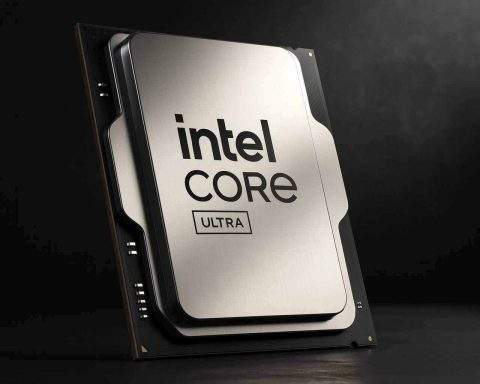
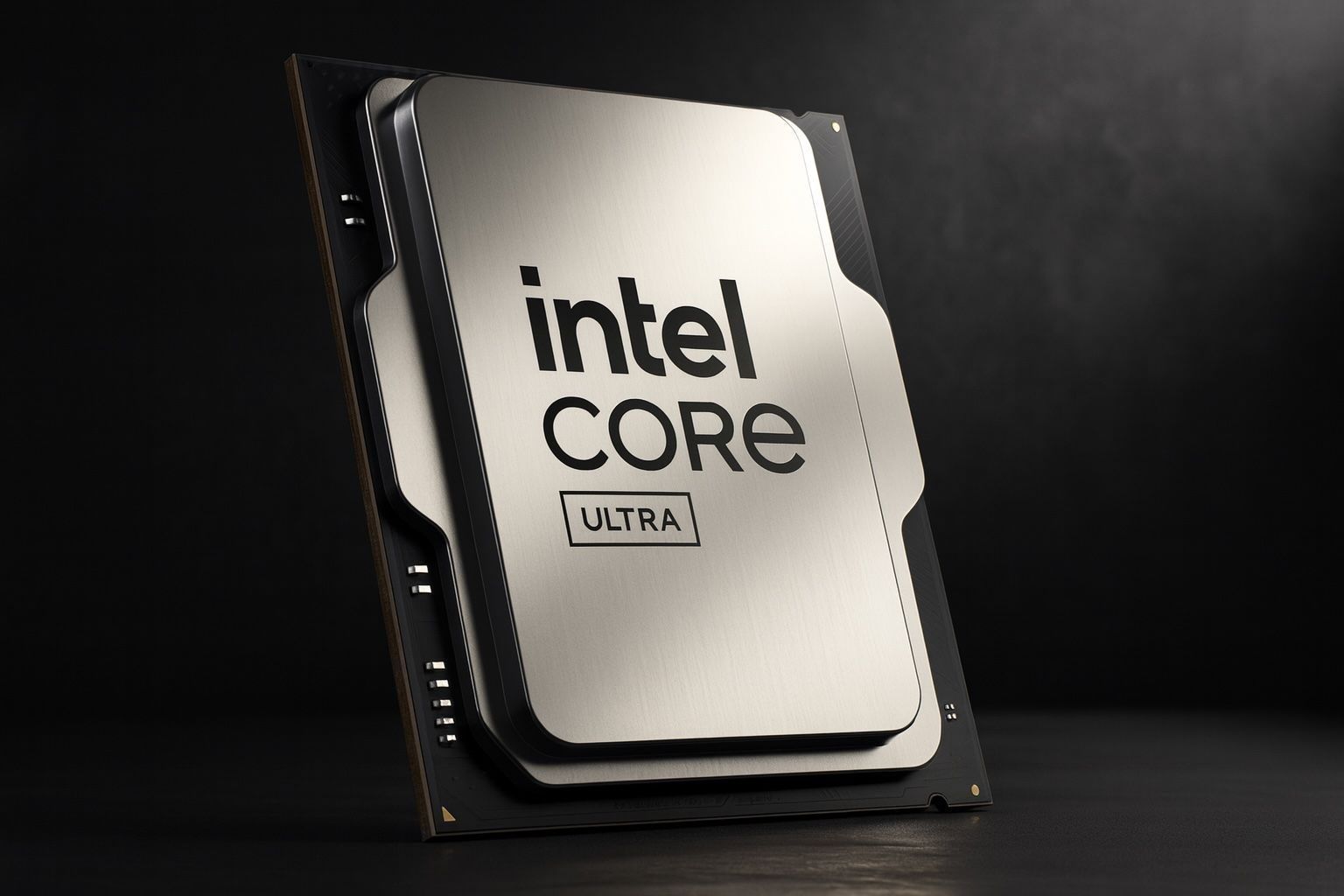
At CES in Las Vegas, Intel launched Panther Lake, a new laptop chip that marks its first product made using the company’s next-generation 18A manufacturing process, Reuters reported. Intel has wrestled with “yield” — the share of good chips produced from each silicon wafer — for Panther Lake, and executives have said yields are improving month by month, Reuters said. Reuters
Intel said its first Panther Lake line, Intel Core Ultra Series 3, will power more than 200 PC designs and roll out globally starting Jan. 27, after pre-orders began on Jan. 6. “We are laser-focused on improving power efficiency,” Jim Johnson, a senior vice president who runs Intel’s PC group, said in a statement. Intel
The stock also drew support from a more upbeat call on the foundry story. Melius Research analyst Ben Reitzes upgraded Intel to “buy” from “hold” and set a $50 price target, writing, “We really like [CEO] Lip-Bu Tan,” and pointing to improving prospects for Intel’s contract chipmaking business, MarketWatch reported. MarketWatch
Chip stocks were mixed more broadly. Nvidia shares rose about 1.3%, while AMD fell about 1.7%, after both companies also talked up next-generation products at CES.
Still, the rally runs into old doubts. J.P. Morgan analysts said TSMC’s grip on leading-edge manufacturing looks hard to shake, and flagged uncertainty around when Intel will be ready to compete at the most advanced nodes for big outside customers, Barron’s reported. Barron’s