
NEW YORK, March 25, 2026, 07:08 EDT
Intel climbed 3.8% in premarket trading Wednesday after Arm unveiled a new AI data-center chip, lifting chipmakers across the board. Oil edged lower. Word from Washington about a potential month-long Iran war ceasefire also fueled risk appetite in U.S. futures.
The surge toward “agentic AI”—these are tools that execute tasks autonomously for users—has opened up fresh appetite for server CPUs. Arm’s approach? Citigroup analysts say the company has “jumped in with both feet.” On valuations, Intel leads the pack, changing hands at a striking 71.27 times its estimated earnings for the coming year, while AMD sits at 26.64, based on LSEG data pulled by Reuters. Reuters
Intel shares last changed hands at $44.06. That price gives the chipmaker a market cap of about $155.4 billion, based on delayed market data.
Arm is projecting that its AGI CPU, which TSMC will build on a 3-nanometer node, could pull in roughly $15 billion in yearly sales over the next five years. “A very pivotal moment,” CEO Rene Haas said. Meta is the flagship partner here, with OpenAI also among the first buyers. Reuters
Intel’s more aggressive move into server processors hasn’t come without hiccups. In January, the chipmaker acknowledged it was caught off guard by a rush of orders for its server CPUs, the kind that work alongside Nvidia’s graphics chips powering AI data centers. “Not able to fully meet the demand in our markets,” Chief Executive Lip-Bu Tan admitted. Reuters
The bottleneck didn’t break the bull case. Intel shares surged 84% in 2025—well ahead of the Philadelphia semiconductor index’s 42% rise. Big spending from Nvidia, SoftBank, plus U.S. government support, gave Intel’s balance sheet a lift. “The near-term dynamic’s set up very well” if demand sticks around, said Gabelli Funds analyst Ryuta Makino. Reuters
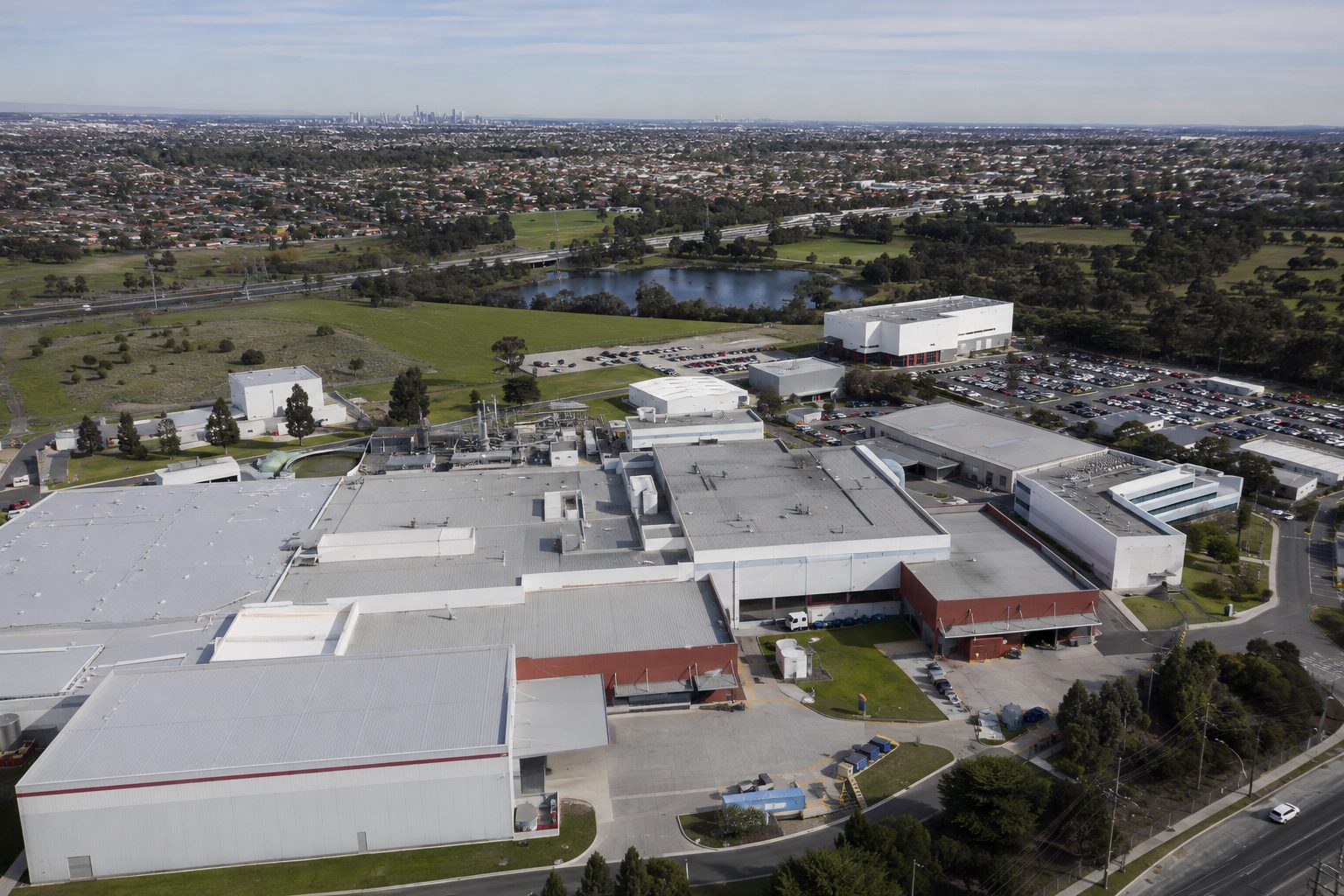
Some of the bullishness comes from developments at Intel’s factories. Earlier this month, CFO David Zinsner said Tan now views Intel’s 18A manufacturing process as “a good node to offer to external customers as well,” citing better-than-expected progress. That’s a shift from last year, when Intel planned to keep 18A mostly in-house for its own chips. Reuters
Execution risk? Still right on the table. TD Cowen called the surge “the dream,” not reality—especially after Intel’s bleak January outlook. Bernstein didn’t mince words, saying Intel fumbled the server cycle. Over at Reuters, the take was blunt: those two rumored 14A foundry clients? Just sniffing around, nothing beyond checking out specs. And with memory prices pushing up, PC demand—the bedrock for Intel—looks murkier. Reuters
Related articles: NASDAQ:META







![Australia Stock Market Today 23/08/2026 [UPDATE: 08:38 AEST] [Healthcare Surge: Weekly Recap and Week Ahead]](https://ts2.tech/wp-content/uploads/2026/08/AU-market-dashboard-2026-08-23-0843-480x384.jpg "Australia Stock Market Today 23/08/2026 [UPDATE: 08:38 AEST] [Healthcare Surge: Weekly Recap and Week Ahead]")