
CAMBRIDGE, Massachusetts, April 25, 2026, 12:07 (EDT)
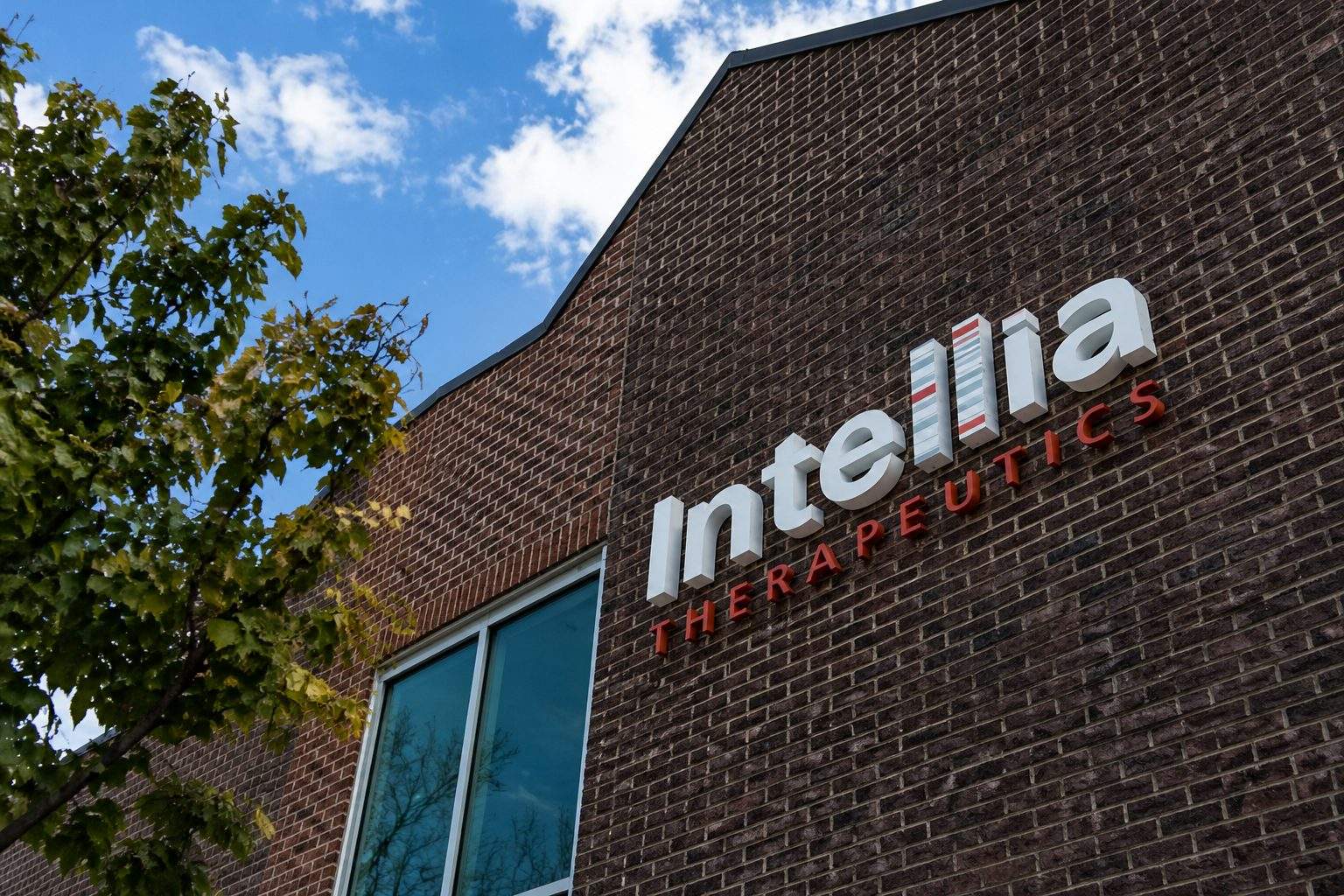
Intellia Therapeutics is slated to release top-line results Monday from HAELO, its pivotal trial of lonvoguran ziclumeran—an experimental, one-and-done therapy aimed at hereditary angioedema. The company bills this as the first-ever Phase 3 data for an in vivo CRISPR gene-editing therapy, meaning the genetic tweak happens directly in the patient rather than in lab-modified cells.
The stakes are high for Intellia—and the entire gene-editing space—with the next update looming. If the data impress, company filings indicate a U.S. biologics license application could follow in the back half of 2026, teeing up a potential launch in the U.S. during the first half of 2027.
The numbers tell the story. Intellia finished Friday at $13.63, sinking 14.1%. Then, after hours, shares bounced back 19.3% to $16.26, according to MarketWatch data.
HAELO is a randomized, double-blind, placebo-controlled trial evaluating lonvo-z in people with Type I or Type II hereditary angioedema, a rare genetic condition marked by serious swelling episodes. According to Intellia, 80 participants were given either a single 50 mg lonvo-z infusion or placebo. The main measure: number of HAE attacks recorded between week 5 and week 28.
The therapy targets the KLKB1 gene in the liver, knocking down kallikrein—key in the swelling cascade. In its earlier Phase 1/2 data, Intellia reported that 31 out of 32 patients on the 50 mg dose stayed attack-free and didn’t need ongoing prophylaxis at the data cutoff. Safety? The company called it well tolerated, with follow-up reaching three years.
HAE is now front and center in Intellia’s 2026 roadmap. Back in February, CEO John Leonard called the year “pivotal,” citing the expected “topline Phase 3 data and planned BLA submission for lonvo-z.” The company’s aim: to liberate most patients from both attacks and chronic treatment. SEC
The company isn’t flush, but it’s not pressed to the wall yet. Intellia wrapped up 2025 holding $605.1 million in cash, cash equivalents, and marketable securities. Management says that should last until the back half of 2027—enough runway to cover the planned U.S. launch of lonvo-z for HAE.
Rivals are moving fast. Ionis secured U.S. approval in 2025 for Dawnzera, a preventive HAE therapy given every four or eight weeks. Takeda’s Takhzyro remains on the market as a prophylactic, and KalVista’s Ekterly just made history as the first oral, on-demand treatment for acute HAE attacks to clear the FDA.
HAELO may not replicate the previous signal, and open questions on safety or durability could delay approval. Intellia has cautioned in filings that early clinical data don’t always translate to success down the line. Its separate nex-z program for transthyretin amyloidosis was hit with FDA clinical holds after a patient in a heart-disease trial suffered severe liver issues and died. Only after regulators cleared new trial safeguards did studies restart.
During Monday’s webcast, investor attention will center on attack-rate reduction, proportions of patients staying attack-free, and any liver-safety developments, along with signs that Intellia’s BLA timeline hasn’t slipped. The company will go over top-line HAELO results at 8:00 a.m. EDT on April 27.






![Asia Stock Market Today 28/08/2026 [UPDATE: 00:51 SGT] [Salesforce Leads KASE Global Into Final Minutes After Asia’s Split Close]](https://ts2.tech/wp-content/uploads/2026/08/Asia-market-dashboard-2026-08-28-0051-480x384.jpg "Asia Stock Market Today 28/08/2026 [UPDATE: 00:51 SGT] [Salesforce Leads KASE Global Into Final Minutes After Asia’s Split Close]")