
New York, June 12, 2026, 07:48 EDT
- Intuitive Machines closed Thursday at $30.64, up 15.49%, and was marginally higher in early extended trading.
- The rally followed renewed buying in space stocks ahead of SpaceX’s Nasdaq debut, but LUNR still carries dilution and contract-risk overhangs.
- The next company-specific catalyst is NASA’s next round of lunar infrastructure awards and updates tied to Intuitive Machines’ upcoming lunar missions.
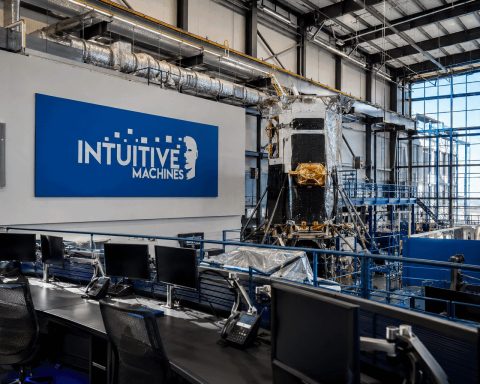
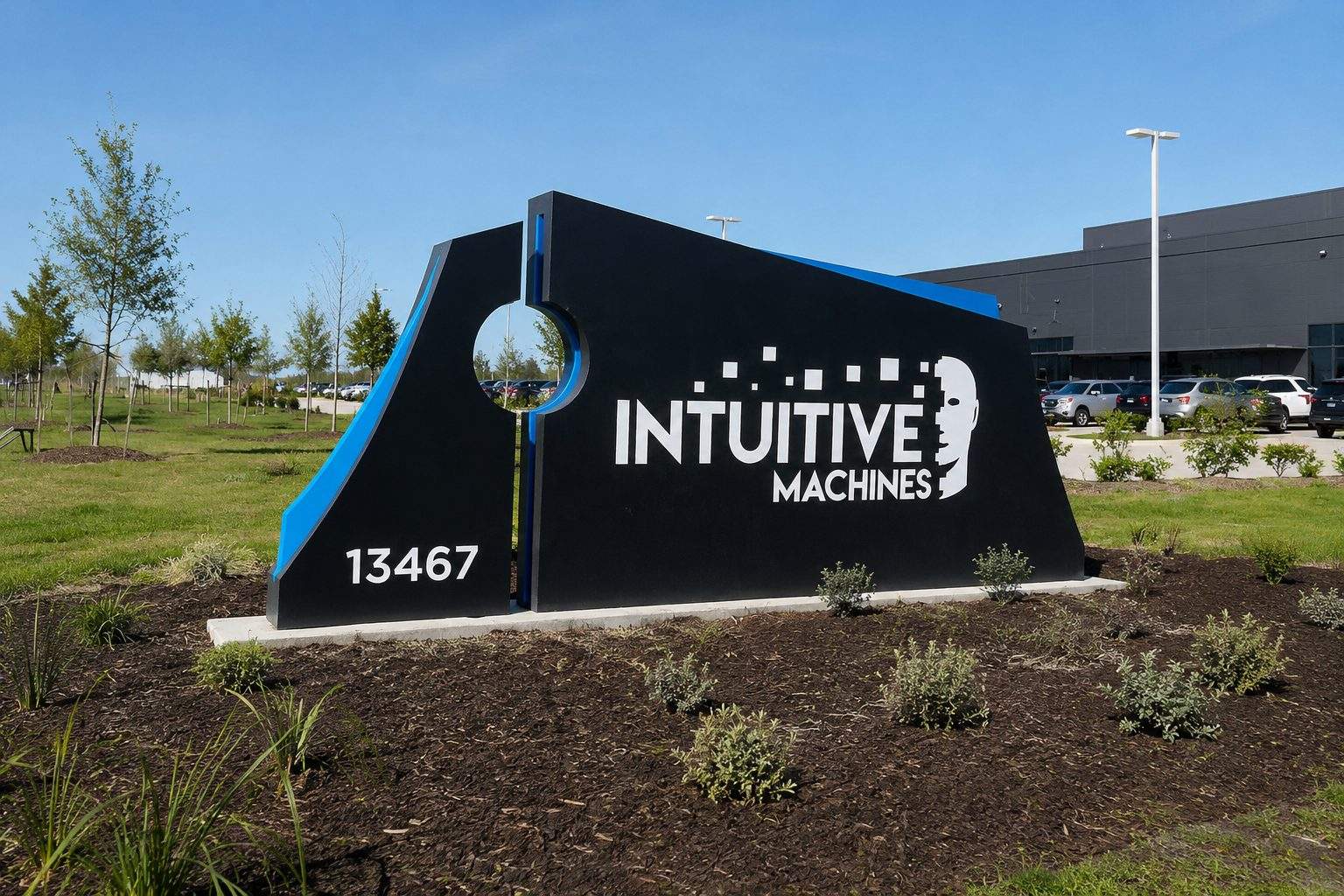
Intuitive Machines stock is back in the spotlight after LUNR jumped 15.49% on Thursday to close at $30.64, a sharp rebound that came as traders returned to listed space stocks ahead of SpaceX’s expected Nasdaq debut. Investing.com attributed the move to a “halo effect” from the SpaceX IPO and renewed demand for space-sector proxies, while Reuters reported Friday morning that Intuitive Machines was still up 0.6% in premarket trading as other space names also rose. Investing.com
The move matters because Intuitive Machines has become one of the more liquid public-market ways to trade enthusiasm around lunar infrastructure, NASA spending and commercial space services. Stocks rise when buyers are willing to pay more because expected future growth, sentiment or liquidity improves; they fall when risks such as weaker earnings, contract losses or shareholder dilution reduce confidence. For LUNR, both forces are active: SpaceX’s listing is pulling attention toward the sector, but recent company-specific news has made the valuation harder to defend.
The biggest recent pressure point remains Intuitive Machines’ $500 million at-the-market offering, or ATM — a program that lets a company sell new shares over time at prevailing market prices. That can raise cash for growth, but it can also create dilution, meaning existing shareholders own a smaller percentage of the company after new shares are issued. In its prospectus, Intuitive Machines said it may sell up to $500 million of Class A common stock and warned that investors may experience different levels of dilution and that future share sales could depress the market price.
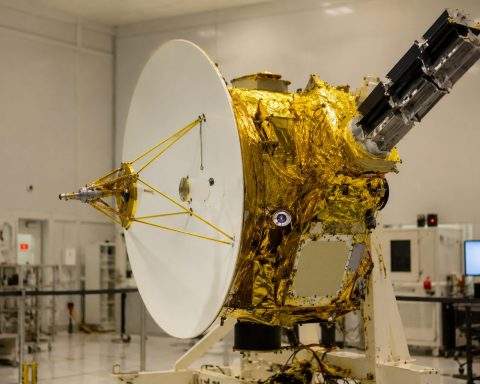
The bear case also includes execution and contract risk. NASA recently awarded $219 million to Astrolab and $220 million to Lunar Outpost for the first phase of Lunar Terrain Vehicle work, while Intuitive Machines was not among the selected rover providers. NASA said additional vendor opportunities may come through future on-ramp competitions, but the missed award was a reminder that Intuitive Machines is still competing for large, lumpy government programs rather than operating a predictable, mature revenue base.
The bull case is that the company is no longer just a lunar-lander story. Intuitive Machines reported record first-quarter revenue of $186.7 million, adjusted EBITDA of $2.7 million and backlog of about $1.1 billion; adjusted EBITDA is a non-GAAP measure that strips out items such as interest, taxes, depreciation, amortization and some transaction costs to show an adjusted view of operating profit. CEO Steve Altemus said, “Intuitive Machines continues to execute, grow, and win new business at record pace,” and the company guided for $900 million to $1 billion in 2026 revenue with positive full-year adjusted EBITDA. Intuitive Machines
Investors should watch two catalysts next. The immediate sector catalyst is SpaceX’s first day of trading, because a strong debut could keep capital flowing into public space names, while a reversal could pressure the whole group; Melissa Brown, managing director of investment decision research at SimCorp, told Reuters that “volatility is likely to be high.” The more important Intuitive Machines catalyst is NASA’s next set of lunar infrastructure decisions, including CLPS-related awards and future Moon Base work, plus progress toward the company’s IM-3 lunar mission. Reuters
At today’s price, LUNR looks risky rather than plainly cheap. StockAnalysis shows a “Buy” consensus from nine analysts with a $40.78 average 12-month target, while MarketBeat’s broader 12-analyst dataset shows a “Hold” consensus and a $31.50 average target, only slightly above the latest close; a price target is an analyst’s estimate of where a stock could trade over the next year, not a guarantee. That split captures the current setup: the bull case rests on backlog, NASA-linked growth and sector enthusiasm, while the bear case rests on dilution, negative free cash flow, net losses and the chance that SpaceX becomes a valuation benchmark that makes smaller space stocks look expensive. StockAnalysis
Related articles: NASDAQ:LUNR