
NEW YORK, May 2, 2026, 10:04 AM EDT
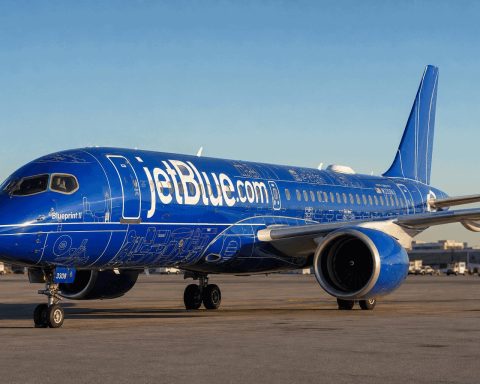
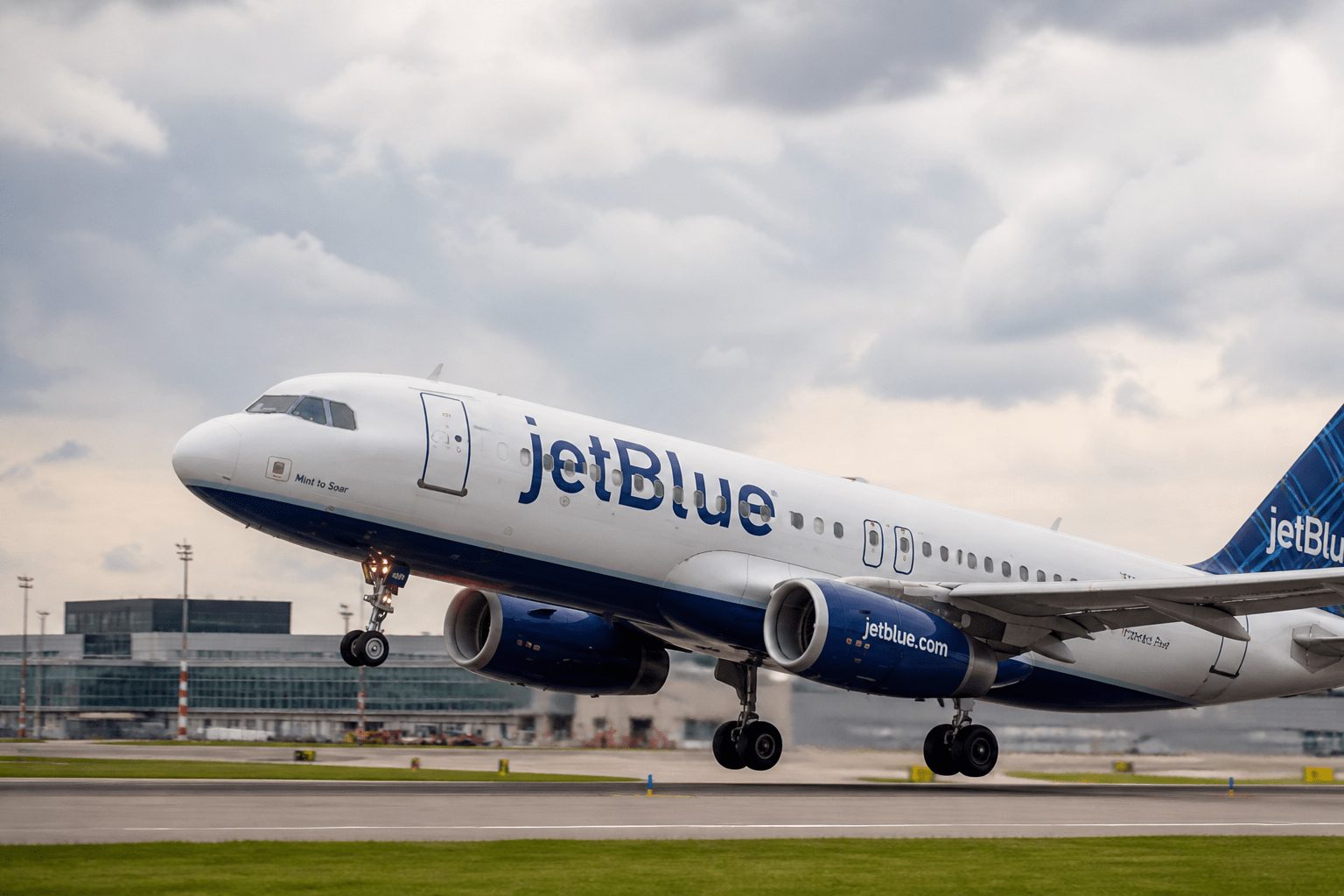
JetBlue Airways Corporation jumped in Saturday, rolling out $99 one-way “rescue fares” for Spirit Airlines passengers left in the lurch, while also moving to expand its South Florida footprint. The airline announced 11 new Fort Lauderdale routes after Spirit began shutting down its operations. JetBlue is also putting a $299 cap on select Blue Basic fares—its lowest-priced tickets—specifically on overlapping Fort Lauderdale and San Juan routes, as customers migrate from the collapsing budget carrier. JetBlue Newsroom
Spirit’s departure throws a wrench into U.S. leisure travel, most noticeably across Florida and Puerto Rico. According to Reuters, it’s been twenty years since a U.S. carrier of Spirit’s scale went under. Between May 1 and May 15, the airline had lined up 4,119 domestic flights, which translated to 809,638 seats now in limbo.
JetBlue calls both Fort Lauderdale and San Juan focus cities, and says it ranks as the top carrier in each. Spirit counted those airports among its biggest hubs, so JetBlue sees an opening to pick up additional passengers and flights where it already operates gates, crews, and has strong brand presence.
Spirit Aviation Holdings—Spirit’s parent company—announced a full cancellation of all Spirit flights and urged travelers to stay away from airports. According to Dave Davis, who serves as president and CEO, a “sudden and sustained rise in fuel prices” drained the company’s liquidity. Spirit stated that ticket refunds for purchases made directly by credit or debit card would be processed automatically. PR Newswire
JetBlue is offering $99 one-way tickets to travelers who can show proof of a valid Spirit reservation for the same route, available for trips through Wednesday, May 6. For new bookings, fares are capped at $299 on JetBlue-operated nonstop flights between May 2 and May 8, covering routes to and from Fort Lauderdale-Hollywood International Airport and San Juan’s Luis Muñoz Marín International Airport—both airports where Spirit flew last April.
It’s a significant network push. JetBlue is planning close to 130 daily flights out of Fort Lauderdale this summer—its biggest schedule yet at the airport, jumping more than 75% over 2025. The carrier’s lineup adds or expands routes to Baltimore, Charlotte, Nashville, Detroit, Houston, Chicago, Ponce, Puerto Rico, plus several others.
JetBlue CEO Joanna Geraghty said the airline aims to “fill the void” left by Spirit’s exit, and added that its priority is “stepping up” while maintaining competitive fares. The carrier will open bookings for the new routes and flight frequencies on Monday evening, May 4. JetBlue Newsroom
Markets wasted little time reacting. Reuters noted that Spirit’s closure looked like a clear win for competitors JetBlue and Frontier Airlines. JetBlue stock picked up 4%, Frontier soared 10% on Friday, and Spirit’s shares—now trading over the counter—sank 25%.
Still, JetBlue’s win isn’t without its setbacks. Just four days ahead of the Spirit deal, the carrier posted a first-quarter net loss of $319 million — a deeper shortfall than the $208 million it reported this time last year. Operating revenue managed a 4.7% gain to $2.24 billion, and revenue per available seat mile climbed 6.5%.
Fuel remains a sticking point. JetBlue reported a 15.2% jump in its first-quarter average fuel price to $2.96 per gallon. Looking ahead, the airline is bracing for $4.13 to $4.28 per gallon in the second quarter. JetBlue has trimmed its capacity forecast, is chasing cost cuts, and only expects to claw back 30% to 40% of those higher fuel expenses this quarter.
Analysts are watching the pressure mount. Seaport Research’s Daniel McKenzie, according to Reuters, sees JetBlue’s fuel bill climbing 40% year-on-year to $2.9 billion and pencils in a pre-tax loss near $1.1 billion for 2026. Fitch’s Joseph Rohlena doesn’t view liquidity as an immediate issue but cautions that JetBlue may need to “go back to the markets” if fuel costs don’t ease or demand slips. Reuters
A second, subtler risk hangs over the move: JetBlue’s added Fort Lauderdale flights need to run smoothly. The airline is watching demand and capacity; some Colombia routes still hinge on government sign-off. If those rescue fares only pull traffic temporarily, JetBlue could end up juggling extra Florida exposure with the same fuel cost headaches that tripped up Spirit.
The development revives a familiar JetBlue-Spirit narrative, but with a twist. Earlier this year, a federal judge put the brakes on JetBlue’s $3.8 billion bid for Spirit, citing antitrust concerns and warning of less competition. Now, JetBlue is stepping into select leisure routes where Spirit’s exit could leave fewer low-cost seats.
JetBlue’s move in Fort Lauderdale lines up with its JetForward turnaround strategy—a plan aimed at strengthening the carrier’s East Coast leisure network and keeping liquidity intact. By the end of the first quarter, JetBlue reported $2.4 billion in liquidity on hand, plus a $500 million aircraft-backed financing deal, with an option to bump that up by another $250 million.
Related articles: NASDAQ:JBLU