MENOMONEE FALLS, Wisconsin, March 18, 2026, 05:16 CDT
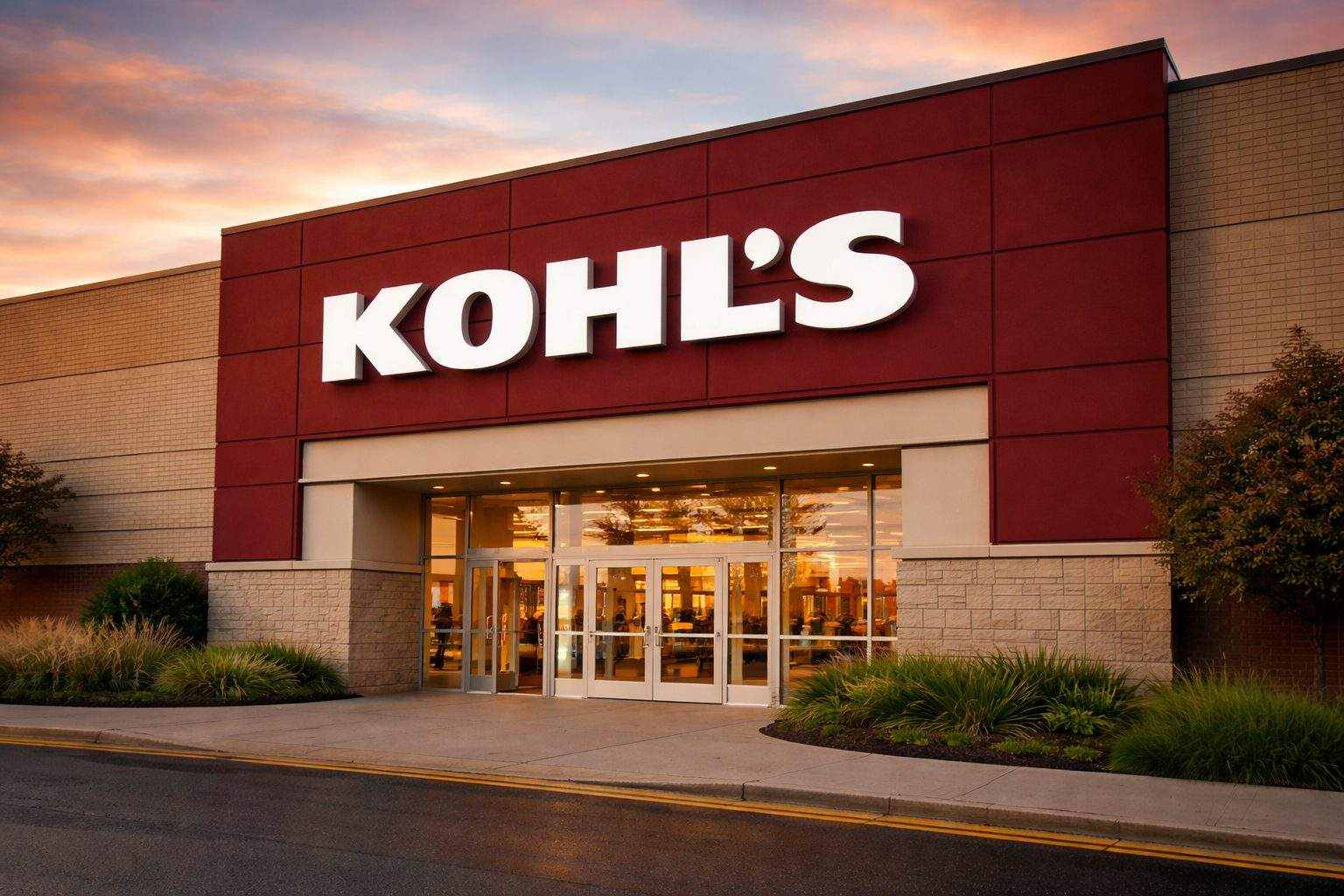
Kohl’s is not planning another wide-scale round of store closures in 2026, Chief Executive Michael Bender said, according to media reports Tuesday. The department-store operator, which closed 27 locations last year, is looking to reassure investors. Shares finished the day off 2.7% at $12.69. Newsweek
This is key for Kohl’s, which is working to keep its store count stable even as the broader sector downsizes and shoppers remain wary. The company reports that over 90% of its approximately 1,150 stores are turning a profit—a more assertive statement than in 2025, a year when it shuttered weaker locations in several states. Axios
Bender told analysts there’s no “grand plan” in the works for adding or cutting stores. Right now, the focus is boosting productivity at existing Kohl’s locations. The company does plan to review its sites yearly and might move some, but executives aren’t hinting at a major shrinkage or rollout across the chain. The Independent
Kohl’s reported another weak patch: fourth-quarter net sales slipped 3.9% to $5.0 billion, while comparable sales—a key metric tracking stores open at least a year—dropped 2.8%. Looking to 2026, guidance calls for net and comparable sales anywhere from a 2% decline to flat, with adjusted earnings projected between $1.00 and $1.60 per share, excluding certain items. investors.kohls.com
Investors initially cheered the profit beat, driving shares up as much as 14.5% on March 10. Executives highlighted a stronger start to the first quarter, but momentum vanished and the stock ended down for the day, according to Axios. “Our issue continues to be traffic,” Chief Financial Officer Jill Timm acknowledged. Reuters
Kohl’s management is pushing further on both pricing and in-store experience. The retailer is boosting its private label assortment, slashing entry price points, and adding more impulse buys under $10, while dropping slow-moving styles and aiming to simplify shopping in stores. CEO Bender has noted that the company’s core low- and middle-income customers are still feeling pinched and remain focused on finding value. Reuters
Conditions remain tough. Macy’s continues its store closures through 2026 as part of its turnaround push, while Kohl’s faces pressure from Amazon and discount player Ross Stores, which moves branded merchandise at lower prices. Bender noted Kohl’s slipped during Black Friday, Cyber Monday, and the post-Christmas stretch. Reuters
Still, holding store numbers steady doesn’t close the debate. David Silverman at Fitch credits Kohl’s with stronger profits thanks to leaner inventories and stricter cost discipline, but he flags market share as the crucial hurdle now. Neil Saunders of GlobalData is less forgiving, calling the retailer “in general disarray” while competitors continue to raise their game. Reuters
Kohl’s heads into 2026 claiming improved strength, with ongoing efforts to update its stores and operations. Still, Bender cautioned that the rebound will come with bumps along the way. The company’s decision not to close locations might just be a temporary halt, not clear evidence that the turnaround is locked in yet. investors.kohls.com