
New York, April 27, 2026, 16:03 EDT
Lithium Americas Corp. shares surged roughly 13% late Monday in U.S. trading, drawing investor focus back to its Thacker Pass lithium project in Nevada, which is backed by the U.S. government. The stock, listed in New York, was recently seen trading at $5.26, with volume topping 19 million shares.
Why does 2026 stand out? That’s the year Thacker Pass needs to prove it can shift from policy promise to shovels in the ground. Last week, Wedbush started covering Lithium Americas, assigning a Neutral rating and setting the price target at $8. Analyst Sam Brandeis steps in for Dan Ives, with the firm describing fiscal 2026 as the “key year” for the project’s construction phase and highlighting execution risks before production ever begins. Investing.com
The next checkpoint comes up soon. Lithium Americas has pinned May 14 for its first-quarter 2026 results, which should shed light on the latest spending, construction updates, and any revisions to that late-2027 timeline.
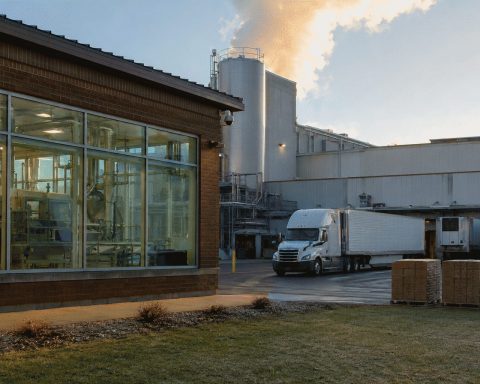
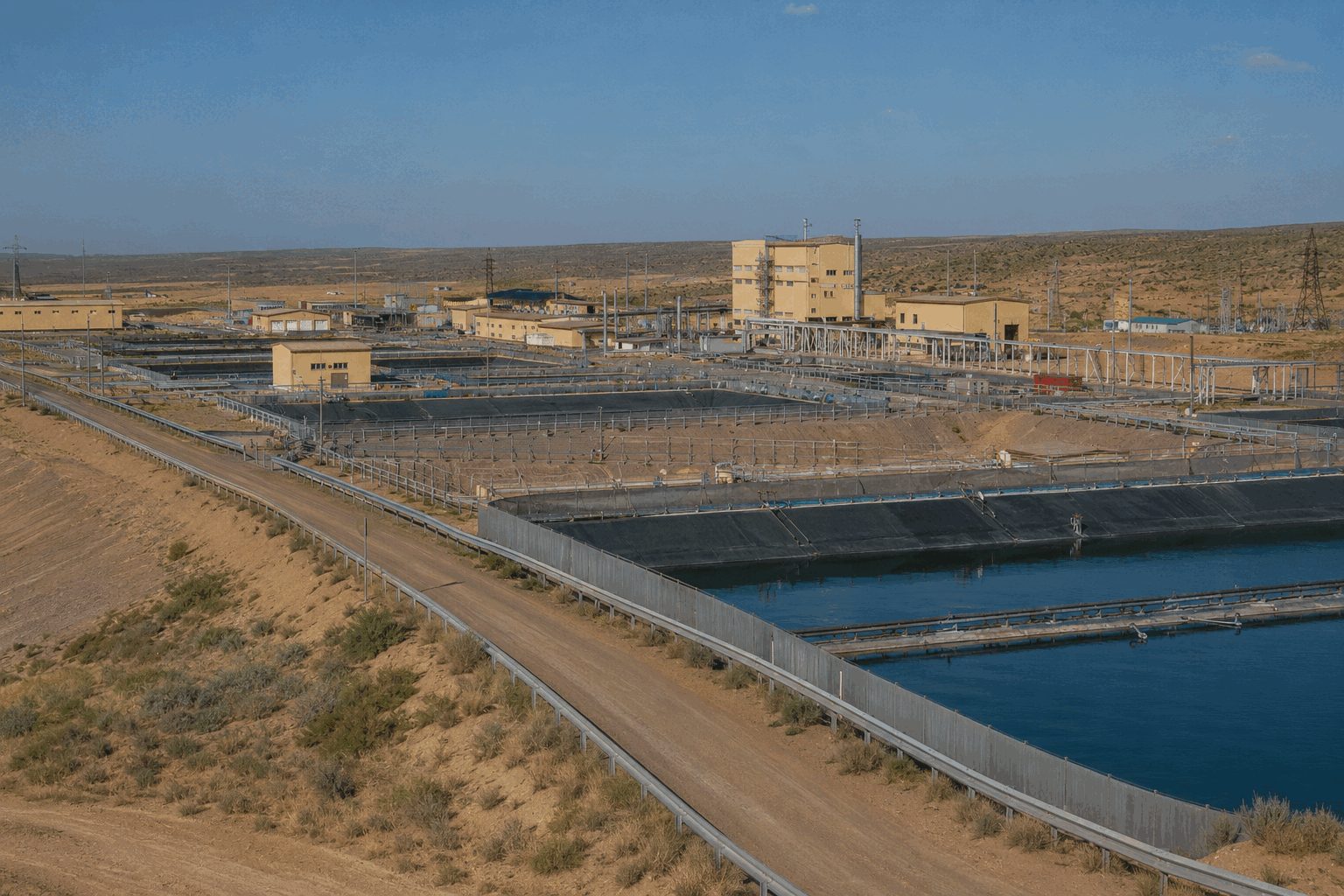
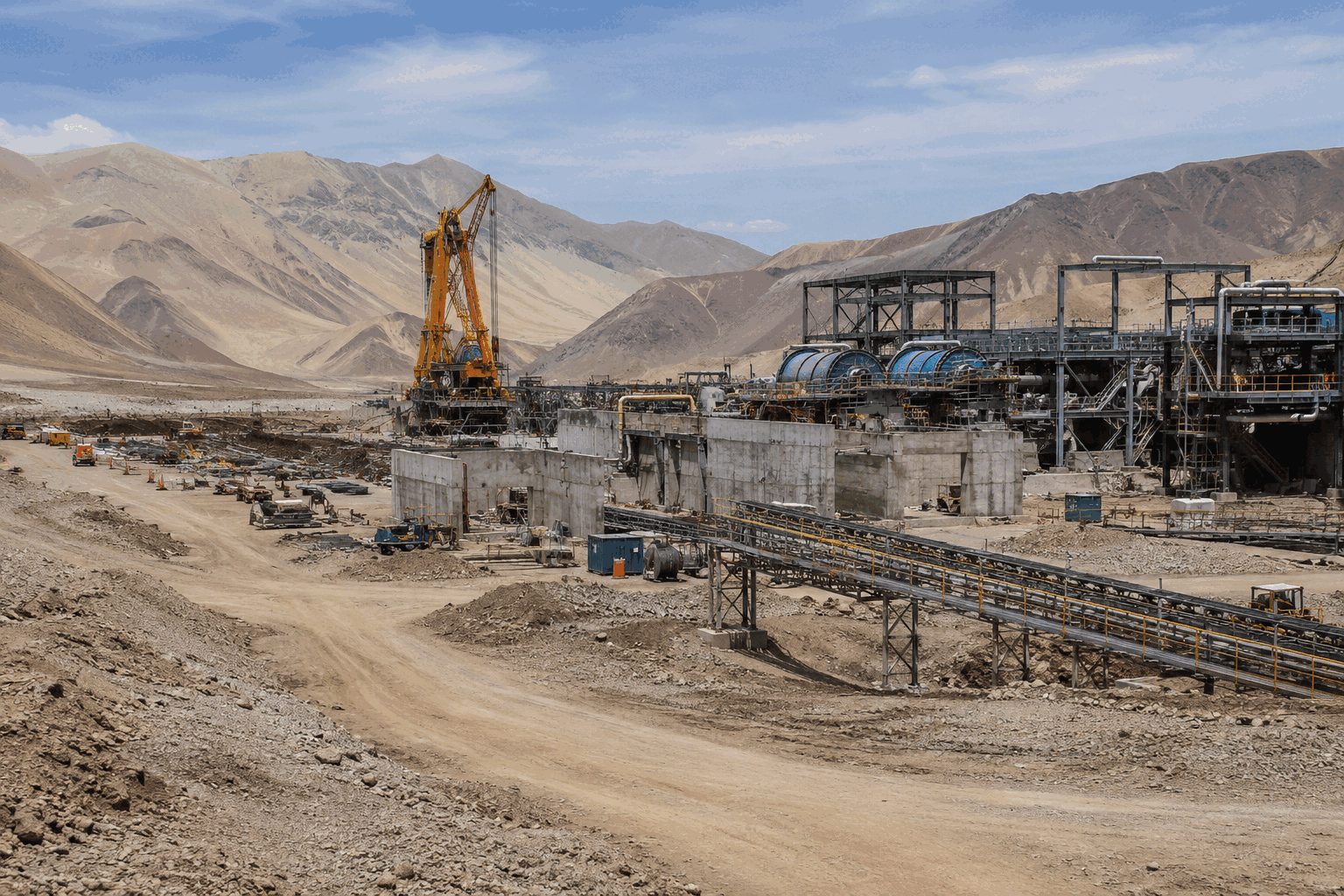
Thacker Pass stands as the company’s flagship asset. The project in Humboldt County, Nevada is set up to turn out battery-grade lithium carbonate—a refined lithium chemical crucial for EV batteries—with Phase 1 aimed at 40,000 tonnes annually. According to the company, mechanical completion (the main plant’s construction finalized ahead of production ramp-up) is expected by late 2027, and commercial output ramps up over 2028. General Motors locked in a 20-year offtake agreement, taking all Phase 1 production under a long-term purchase contract.
Back in March, Chief Executive Jonathan Evans described “Construction at Thacker Pass is progressing rapidly,” while the company projected peak construction sometime this year, with plans to have around 1,800 skilled workers on site by late 2026. As of the end of 2025, Lithium Americas held $905.6 million in total cash and restricted cash. The company also noted that, as of March 18, the U.S. Department of Energy had not exercised warrants for a 5% stake in Lithium Americas or a 5% economic interest in the joint venture. Lithium Americas
The price tag isn’t light. Back in February, Reuters said Lithium Americas is looking at $1.3 billion to $1.6 billion in capital costs for Thacker Pass Phase 1 by 2026. That tally bakes in anticipated tariffs on gear and building materials coming from Canada, China, India, the UAE, Turkey, and the EU. Funding? There’s a $2.23 billion loan from the Energy Department on the table, plus cash from GM and Orion Resource Partners.
Washington sits at the heart of the story for these stocks. Reuters said the Trump administration has been picking up equity stakes to prop up sectors tied to supply-chain security—specifically, a 5% holding in Lithium Americas and another 5% in the Thacker Pass project with GM. MP Materials lands in the same policy bucket following U.S. government backing for rare earth supply, although it’s operating in a different mineral segment.
Peer signals look uneven, but there’s a marked improvement from last year’s tone. PLS—Australia’s top standalone lithium producer—reported on Friday that lithium demand is broadening. “Strong tailwinds” are supporting the sector, CEO Dale Henderson told Reuters. Albemarle, still the biggest lithium name globally, sets the main reference point for investors tracking prices and project returns. Reuters
Lithium prices remain jumpy. Back in January, Reuters cited analyst forecasts projecting global demand for lithium to jump anywhere from 17% to 30% by 2026. Supply is also expected to ramp up—estimates range from 19% to 34%. That gap keeps prices on edge, with swings tied closely to battery plant orders, energy-storage expansion and supply maneuvers out of China.
The risk is hard to miss here. Lithium Americas hasn’t started production, and there’s the potential for more share sales to drag on the stock. Back in March, a supplement filed with the SEC cleared the way for the company to raise as much as $250 million by selling common shares through TD Securities under an at-the-market program—letting the company drip shares into the market over time. The filing flagged it: future sales, or even just worries about them, could pressure the stock.
Right now, the bet hinges on faith in timelines, financing, and American appetite for U.S.-sourced lithium. The real challenge? Converting federal support, GM deals, and capital outlays into actual lithium carbonate that can be sold.