
Mumbai, May 12, 2026, 16:41 IST
- Indian shares logged their worst day in six weeks as U.S.-Iran peace hopes faded.
- The rupee hit a record low, while Brent crude hovered near $107 a barrel.
- Selling spread across sectors, with IT shares hit by fresh worries over AI-led disruption.
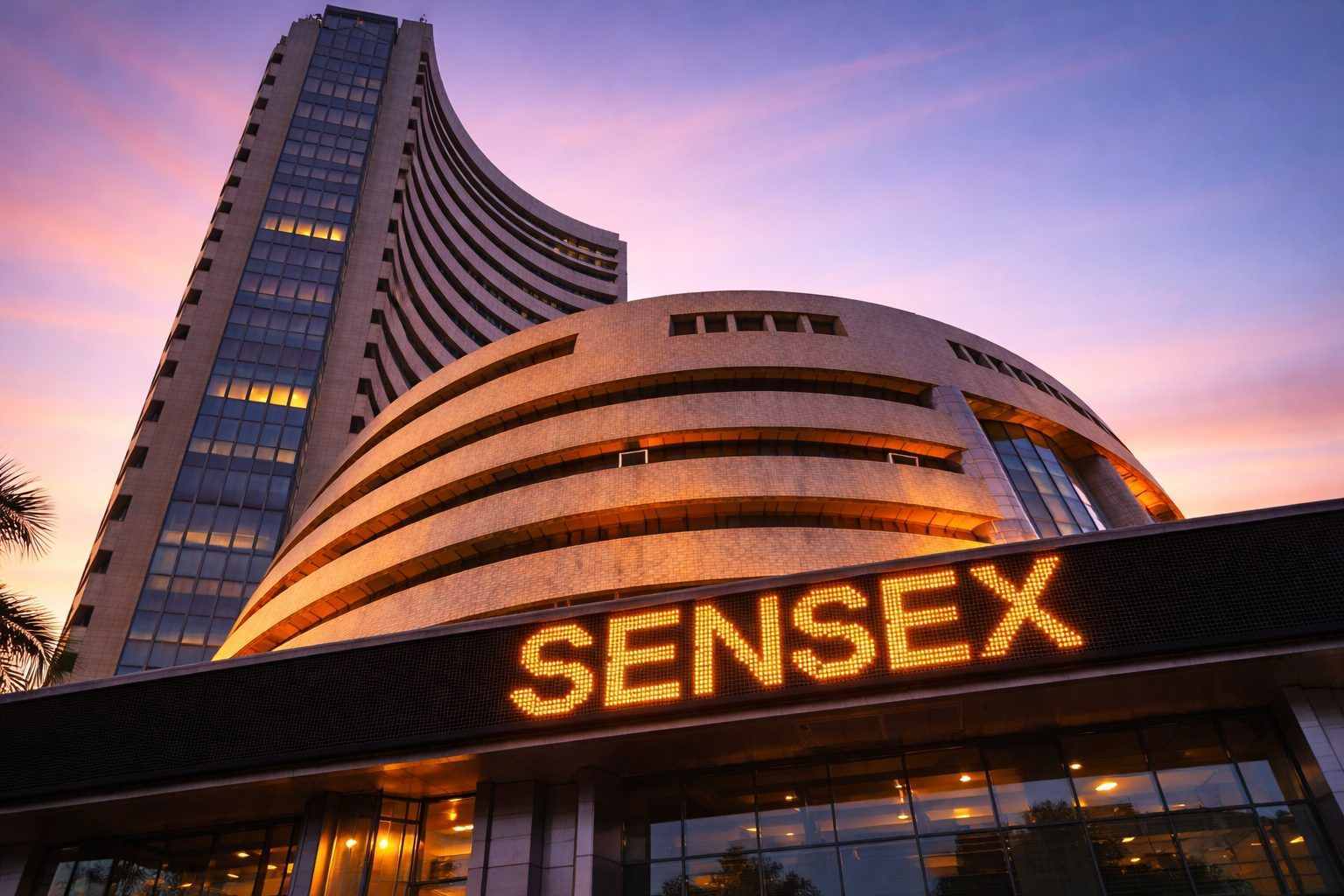
Indian shares fell hard on Tuesday, wiping about $115 billion from the market value of companies listed on the National Stock Exchange, as fading hopes for a U.S.-Iran deal pushed up oil prices and deepened concern over India’s external finances. The Nifty 50 dropped 1.83% to 23,379.55, while the BSE Sensex lost 1.92% to 74,559.24, their worst session in six weeks.
The selloff matters because India is highly exposed to imported energy. The country buys more than 90% of its crude oil and about half its natural gas from overseas, so higher oil prices raise the import bill, strain the rupee and can widen the current account deficit — the gap between foreign currency spent abroad and foreign currency earned.
The rupee fell to an all-time low of 95.7375 per dollar before closing at 95.6275, down 0.3% on the day, with traders saying the central bank likely stepped in to slow the fall. Reuters reported foreign investors have pulled more than $20 billion from Indian equities since the Iran war began, including nearly $900 million on Monday.
Crude was the trigger. Brent futures were last around $107.4 a barrel, up 3%, after U.S. President Donald Trump said a ceasefire with Iran was “on life support” and Tehran rejected a U.S. proposal to end the conflict. Reuters
“The pressure on equities is now being amplified by a macro ‘triple hit’ of higher crude prices, rupee slipping to record low and continued aggressive foreign outflows,” Hariprasad K, founder of Livelong Wealth, told Reuters. He also pointed to a broader confidence shock as investors read recent policy signals as signs of a tougher economic stretch ahead. Reuters
The decline was broad. All 16 major Indian sectors ended lower, while small-cap and mid-cap indexes dropped 3.2% and 2.5%, respectively. IT shares were among the worst hit: the Nifty IT index fell to a three-year low, with Tata Consultancy Services, Infosys and HCL Technologies down between 2.5% and 4% as investors reassessed demand risks from artificial intelligence.
Vinod Nair, head of research at Geojit Investments, said domestic equities stayed under pressure as the rupee weakened, crude rose and foreign institutional investors — overseas funds that buy local securities — kept selling. He said the fall was led by IT and real estate shares, with IT under pressure from concerns over AI-driven pricing and disruption.
The Times of India cited Vikram Kasat, head advisory at PL Capital, as saying investor mood remained cautious because of continued foreign selling, rupee weakness and global macro uncertainty, though domestic liquidity was helping cushion some of the downside.
Fuel policy is now part of the market question. Oil minister Hardeep Singh Puri said India would at some stage need to assess how long state-run fuel retailers can keep selling transport fuels below market prices, while officials told Reuters there were no current plans to compensate the companies for those losses.
Inflation has not yet broken higher, but the risk is moving that way. Government data showed retail inflation rose to 3.48% in April from 3.4% in March, with food inflation at 4.2%; Reuters said the outlook was clouded by rising energy costs and pressure on the rupee.
Aditi Nayar, chief economist at ICRA, said the April inflation rise was milder than expected and offered some cushion, but she warned that elevated crude prices and a possible weak monsoon could keep risks alive. Upasna Bhardwaj of Kotak Mahindra Bank said the Reserve Bank of India was likely to stay in “wait-and-watch” mode for now, while early rate-hike risks were building. Reuters
The risk for investors is not one-way. Any clear drop in crude below $100 a barrel or movement toward a U.S.-Iran settlement could spur a relief rally, especially after two sessions of steep losses. But a longer conflict, another slide in the rupee or a rise in domestic pump prices would tighten the squeeze on inflation, company margins and foreign flows.
Related articles: Stock Market