New York, Jan 20, 2026, 3:16 PM EST — Regular session
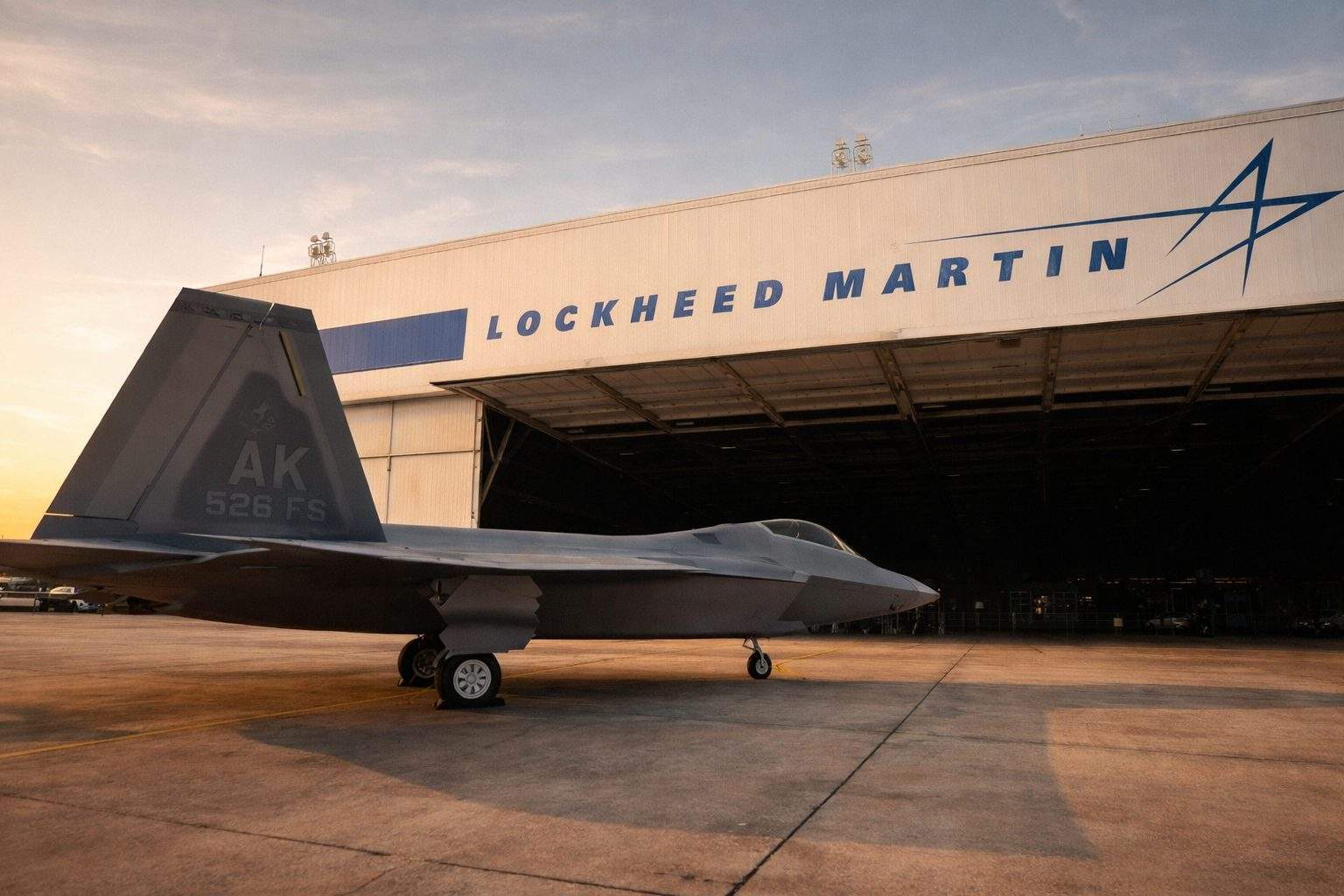
Shares of Lockheed Martin Corp dropped roughly 1.1% to $576.12 in Tuesday afternoon trading. RTX slipped around 2.1%, Northrop Grumman declined about 1.6%, while General Dynamics dropped close to 2.2%.
The slide follows concerns over new trade tensions sparked by President Donald Trump’s Greenland move, which has led to tariff threats against European allies. EU leaders will meet at an emergency summit in Brussels on Thursday to discuss possible retaliation, including a tariff package targeting 93 billion euros ($108 billion) of U.S. imports. That package could kick in on Feb. 6 once a suspension period ends. Treasury Secretary Scott Bessent called on critics to “calm down the hysteria” and “take a deep breath.” Reuters
On the Davos stage, Bessent singled out major U.S. defense contractors, naming Lockheed and others, accusing them of “letting down the American people” by lagging on government orders. He urged companies to “build more factories and buy back less stock.” (A buyback is when a company repurchases its own shares, often to boost earnings per share.) Business Insider
Policy tensions have left investors wary, despite steady demand for weapons, particularly following Monday’s U.S. market holiday. “Common alliances, which we thought could weather all sorts of storms, are shifting,” said Wasif Latif, chief investment officer at Sarmaya Partners. Amelie Derambure of Amundi called the markets “precautionary mode.” Reuters
Lockheed supplies fighter jets, missiles, and space systems to the Pentagon and U.S. allies, making its stock sensitive to any signs of increased scrutiny, delayed shipments, or changes in export policies. Investors also see it as a reliable cash machine when interest rates fluctuate or risk appetite shifts.
Traders now face straightforward, immediate concerns: will production stay on pace, will supply chains hold up, and does management sound confident about turning signed orders into delivered hardware? They’ll also seek an updated look at the backlog—the stockpile of contracted work still pending—and how fast it’s translating into revenue.
The downside risk is clear. Should the tariff dispute escalate and allies strike back, the fallout could extend beyond just consumer goods. The longer the standoff lasts, the more strain it puts on defense procurement practices and international supply chains. Meanwhile, Washington’s pressure might escalate, leading to stricter contract conditions that limit contractors’ ability to manage inevitable shortfalls.
Lockheed plans to release its fourth-quarter and full-year 2025 earnings before the market opens on Jan. 29. The company will hold a conference call at 8:30 a.m. ET, featuring CEO Jim Taiclet and CFO Evan Scott, it said.