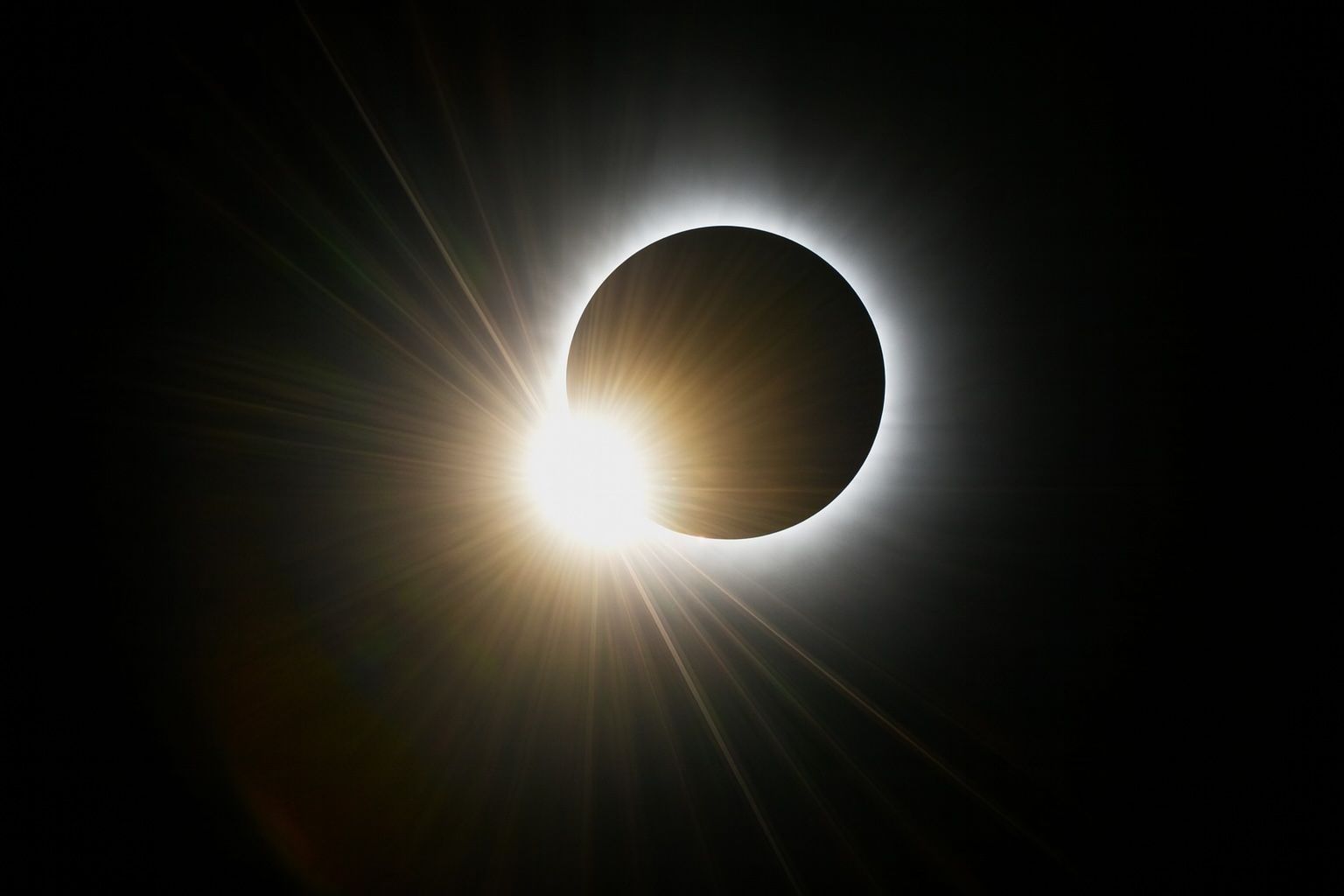
A once‑in‑a‑century sky show is now dominating science and lifestyle headlines. On August 2, 2027, a total solar eclipse dubbed “the eclipse of the century” will sweep across southern Europe, North Africa and the Middle East, delivering up to 6 minutes and 23 seconds of total darkness — the longest totality visible from land between 1991 and 2114. WIRED+1
On December 8–9, 2025, outlets from WIRED to The Australian Women’s Weekly, SYFY, and international titles like the Economic Times and Times of India all pushed fresh explainers and travel pieces, signaling that global countdown coverage has truly begun. The Times of India+4WIRED+4The Australian …
Below is everything you need to know — from where to stand for the full six minutes, to what’s myth, what’s science, and how to watch the 2027 eclipse without damaging your eyes.
Why Everyone Is Talking About the August 2, 2027 Solar Eclipse
The news hook: December 2025 coverage explodes
On December 8, 2025, WIRED highlighted NASA’s eclipse calendar, noting that this event will feature a 6 minute 23 second total phase, easily outlasting the widely watched April 8, 2024 eclipse over North America (4m 28s) and the upcoming 2026 total eclipse over Spain (1m 43s). WIRED
On December 9, 2025, The Australian Women’s Weekly followed up with a feature framed for Australian readers, calling it “the longest solar eclipse in 100 years” and explaining how it fits into the broader cycle of eclipses, including a 2026 total eclipse over the North Atlantic and a 2028 total eclipse that will cross Sydney. The Australian Women’s Weekly
Pop‑science and entertainment outlet SYFY also weighed in, describing the 2027 event as “the longest total solar eclipse for a century”, and explaining why Earth’s geometry with the Sun and Moon makes our eclipses especially dramatic. SYFY
Meanwhile, Indian and global business media — including the Times of India and the Economic Times — published detailed explainers focusing on why some parts of the world will be plunged into darkness for over six minutes, and clarifying persistent social‑media rumors that wrongly claim the event happens in 2025. The Economic Times+1
In short: December 9, 2025 marks the moment this 2027 eclipse shifted from niche astronomy topic to full‑blown mainstream story.
The Basics: What Is Happening on August 2, 2027?
A total solar eclipse occurs when the Moon passes directly between Earth and the Sun and appears large enough in the sky to completely cover the Sun’s bright disk. For a few precious minutes along a narrow track called the path of totality, day turns to deep twilight, stars and planets appear, and the Sun’s delicate outer atmosphere — the corona — becomes visible. The Australian Women’s Weekly+1
The 2027 event stands out for three main reasons:
- Record‑breaking duration on land
- Maximum totality: about 6 minutes 22–23 seconds, centered in Egypt slightly southeast of Luxor. The Times of India+3Wikipedia+3Wikipedia+3
- That’s longer than any land‑visible total solar eclipse between 1991 and 2114. The Economic Times+1
- A highly accessible path
- Totality will cross easily reachable regions in southern Spain, the Strait of Gibraltar, Morocco, Algeria, Tunisia, Libya, Egypt, Saudi Arabia, Yemen and the tip of Somalia, before heading out over the Indian Ocean. WIRED+2Wikipedia+2
- Huge potential audience
- An estimated tens of millions of people live inside the path of totality, with well over half of the world’s population expected to experience at least a partial eclipse that day. Wikipedia+1
Where the Eclipse Will Be Visible: Path of Totality and Partial Eclipse Zone
Path of totality: the six‑minute shadow track
According to NASA maps and astronomical calculations, the Moon’s umbra (full shadow) will begin over the eastern Atlantic Ocean before reaching land. It will then cross the following key regions: Wikipedia+2Wikipedia+2
- Southern Spain – including cities such as Cádiz, Málaga, and the British territory of Gibraltar
- Northern Morocco – including Tangier, Nador and surrounding areas
- Northern Algeria – including Oran and interior regions
- Tunisia – especially around Sfax and central Tunisia
- Libya – including areas near Benghazi
- Egypt – including Luxor, Qena, Sohag, Asyut and parts of the Nile Valley
- Saudi Arabia – including Jeddah, Mecca, Abha, and surrounding cities
- Yemen – including the capital Sana’a and interior towns
- Somalia’s northeastern tip
- Remote islands in the British Indian Ocean Territory (Chagos Archipelago)
At key spots like Luxor, totality will last around 6 minutes 21–23 seconds, with nearby cities in Upper Egypt and western Saudi Arabia also seeing more than six minutes of darkness. Wikipedia+1
Who will see a partial eclipse?
Even if you’re not in the narrow totality corridor, you may still see the Moon take a significant “bite” out of the Sun. A partial solar eclipse will be visible from: The Times of India+3Wikipedia+3Wikipedia+3
- Almost all of Europe
- Most of Africa (except the far south)
- The Middle East and parts of Western and South Asia, including western India
- Parts of Greenland, Iceland, and the North Atlantic
- Portions of South and Southeast Asia
In India, for example, western states such as Rajasthan, Gujarat, Maharashtra and Goa are expected to see a modest 10–30% of the Sun obscured in the late afternoon, with sunset cutting short the view in some coastal locations. The Times of India
For Australia, this “eclipse of the century” will not be visible directly, but Australian audiences will have had a partial eclipse in September 2025 and can look forward to a major total eclipse crossing the country — including Sydney — in 2028. The Australian Women’s Weekly
Why This Eclipse Lasts So Long
Several astronomical factors line up almost perfectly on August 2, 2027:
- The Moon is unusually close to Earth
- On eclipse day the Moon is near perigee (its closest point to Earth), so it appears slightly larger in the sky and can cover the Sun with room to spare. Wikipedia+2The Economic Times+2
- Earth is relatively far from the Sun
- Around early July, Earth passes aphelion (its farthest point from the Sun). That means the Sun appears slightly smaller, boosting the Moon’s apparent “coverage.” Wikipedia+2The Economic Times+2
- The path crosses near the equator
- Near Earth’s equatorial regions, the geometry causes the Moon’s shadow to move more slowly across the surface, stretching the time any one location spends under totality. The Economic Times+1
- Perfect node alignment
- The eclipse occurs close to the Moon’s orbital node, where its tilted orbit intersects the plane of Earth’s orbit, giving an almost dead‑center alignment instead of a “grazing” one. Wikipedia+1
Put together, these factors create a kind of “perfect storm” for long totality, making 2027’s event the second‑longest total solar eclipse of the 21st century and the longest easily accessible from land. Wikipedia
Myth‑Busting: No, the World Will Not Go Dark in 2025
One reason this eclipse is trending today is because it’s being used to debunk viral misinformation.
Throughout 2025, social media posts claimed that the entire world would experience a “six‑minute blackout” on August 2, 2025, sometimes framed as a doomsday omen or unprecedented cosmic event. In response, outlets like the Economic Times and Palm Beach Post stressed that there is no such eclipse in August 2025 and that the widely shared images actually refer to August 2, 2027. Palm Beach Post+2The Economic Times+2
NASA’s published eclipse schedules agree:
- August 2, 2025 has no total or partial solar eclipse.
- August 2, 2027 features the record‑setting total solar eclipse described here. Wikipedia+2eclipse.gsfc.nasa.gov+2
Solar eclipses, while dramatic, do not harm health, alter gravity, or flip magnetic poles. They are predictable, well‑understood alignments of the Earth, Moon and Sun — nothing more exotic than that. WIRED+1
Eclipse Tourism: The Race for Hotels and Viewing Spots
Even though the eclipse is still nearly two years away, some regions are already seeing an eclipse‑driven tourism boom:
- Travel pieces and industry reports highlighted early sell‑outs in parts of southern Spain and Morocco, with tour operators marketing dedicated eclipse trips to Luxor, Aswan, and coastal North Africa. The Times of India+3inkl+3Wikipedia+3
- Media coverage notes that this could become one of the most photographed astronomical events in history, as the unusually long totality gives photographers extra time to capture the corona. The Economic Times+3inkl+3Wikipedia+3
- Some estimates suggest around 89 million people live inside the path of totality, guaranteeing intense local and regional interest, even without international visitors. Wikipedia
If you’re planning to travel, the message from December 2025 coverage is clear: book early. Cities like Luxor, Jeddah, and even smaller coastal towns along the Mediterranean and Red Sea coasts are likely to see high demand for accommodation and guided viewing experiences.
How to Watch the 2027 Eclipse Safely
Every serious news article on this eclipse includes the same crucial message: eye safety comes first.
Golden rule
- Never look directly at the Sun without proper protection except during the brief moments of full totality when the Sun is completely covered.
- For all partial phases — and for regions that never reach totality — you must use appropriate solar filters.
Safe viewing options
Experts and health authorities recommend: The Times of India+4The Australian Women’s…
- ISO‑certified eclipse glasses (standard sunglasses are not safe)
- Solar filters designed for telescopes, binoculars and camera lenses
- Pinhole projectors or indirect projection methods
- Watching via live streams from reputable observatories if you cannot safely observe in person
Permanent retinal damage can occur without pain, so it’s important to follow official safety guidelines rather than relying on improvised methods or urban legends.
Key Dates Around the 2027 Eclipse
To put August 2, 2027 in context, astronomers and journalists are pointing to a series of related celestial events: The Times of India+4WIRED+4The Australian …
- September 21, 2025 – Partial solar eclipse visible from parts of Australia and the South Pacific (already past).
- August 12, 2026 – Total solar eclipse crossing Greenland, Iceland, Spain and parts of Russia and Portugal; partial for much of Europe, Africa and North America.
- July 22, 2028 – Total solar eclipse sweeping across Australia, including Sydney, with ~3 minutes of totality.
- August 2, 2027 – The star of the show: the longest land‑visible total solar eclipse between 1991 and 2114, with >6 minutes of totality across Spain, North Africa and the Middle East.
- Beyond 2030 – Other long total eclipses are coming (notably in 2045, 2060, 2063, 2078, 2081 and 2096), but none beat the 2027 event for easy access and duration combined.
How to Decide Where to Go
If you are considering a trip specifically for the eclipse, think about:
- Weather prospects
- Many guides point to Egypt and parts of Saudi Arabia as particularly promising for clear August skies. The Times of India+3Space+3Wikipedia+3
- Cultural and travel experience
- Locations like Luxor offer a combination of ancient sites (temples, tombs, the Nile) and prime totality duration, making the eclipse part of a broader cultural itinerary. inkl+2Wikipedia+2
- Accessibility and infrastructure
- Southern Spain, Gibraltar and Morocco may appeal to travelers who prefer European or Mediterranean entry points with robust tourism infrastructure. WIRED+2The Australian Women’s Weekly+2
- Crowd tolerance
- Major cities and famous landmarks are likely to be packed; remote parts of the path could offer a quieter but more logistically challenging experience.
Whichever location you choose, local exact timings — down to the second — will be available from NASA and services like timeanddate.com as the date approaches. eclipse.gsfc.nasa.gov+2eclipse.gsfc.nasa.g…
The Bottom Line
As of December 9, 2025, the world’s media has officially locked onto August 2, 2027 as the next truly epic, global sky event:
- It’s the longest total solar eclipse visible from land for more than a century, with up to 6m23s of totality. The Times of India+3WIRED+3Wikipedia+3
- It will be easily reachable across Spain, North Africa and the Middle East, and at least a partial eclipse will be visible to over half of humanity. Wikipedia+1
- It’s already reshaping tourism plans, science campaigns and public outreach for the latter half of this decade. The Times of India+3inkl+3Space+3
If you missed 2017 in the US or will miss 2024 and 2026, this is the event to plan for. Just circle August 2, 2027 in your calendar, pick your spot along the path of totality, and remember: the universe always looks better through safe eclipse glasses.