
London, March 5, 2026, 08:08 GMT
- LSEG is set to provide ASX 24 with a high-performance, low-latency trading platform upgrade.
- ASX and LSEG are aiming to handle design, testing, and migration efforts through 2026.
- ASX is under pressure to update its core systems following a string of outages, prompting the move.
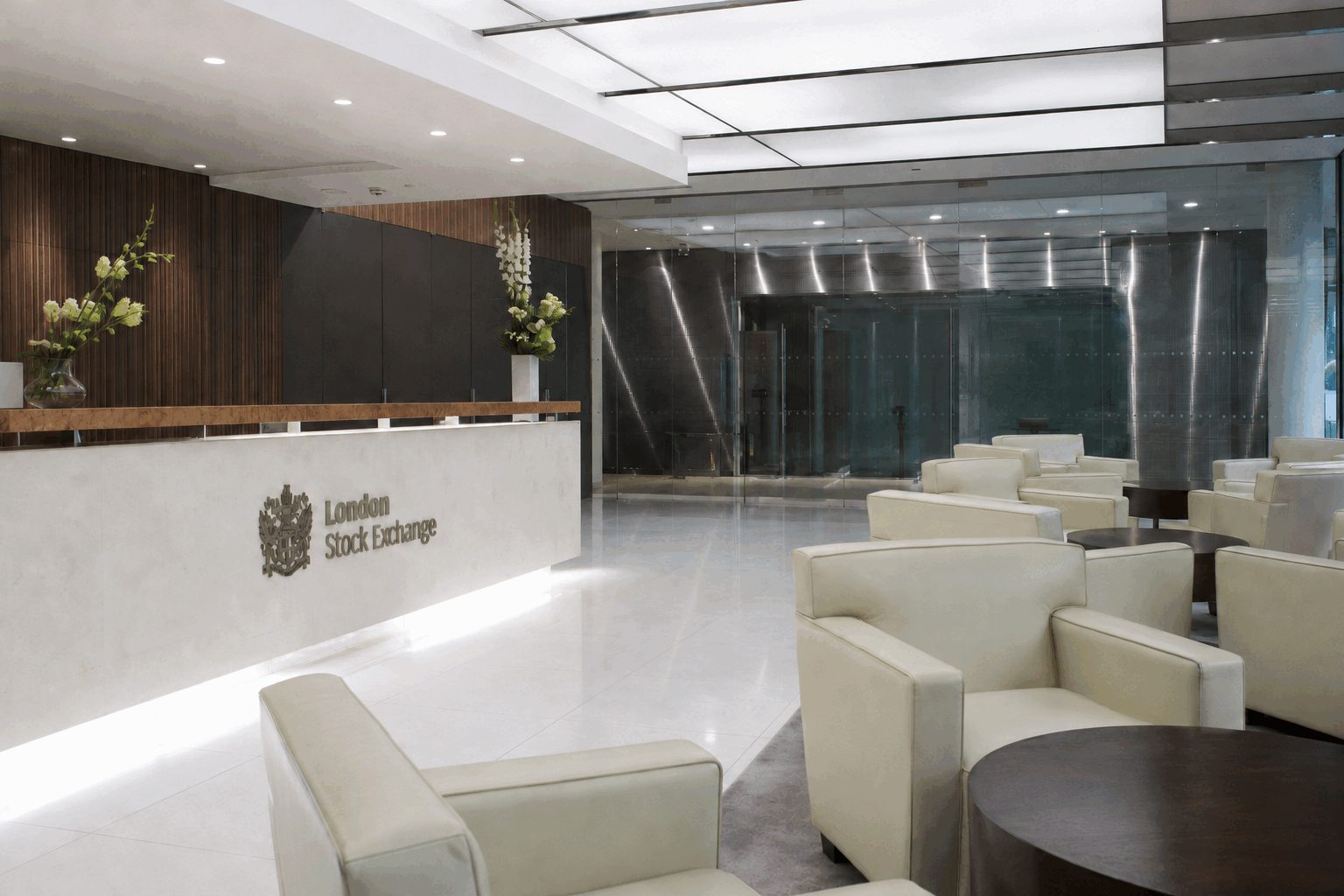
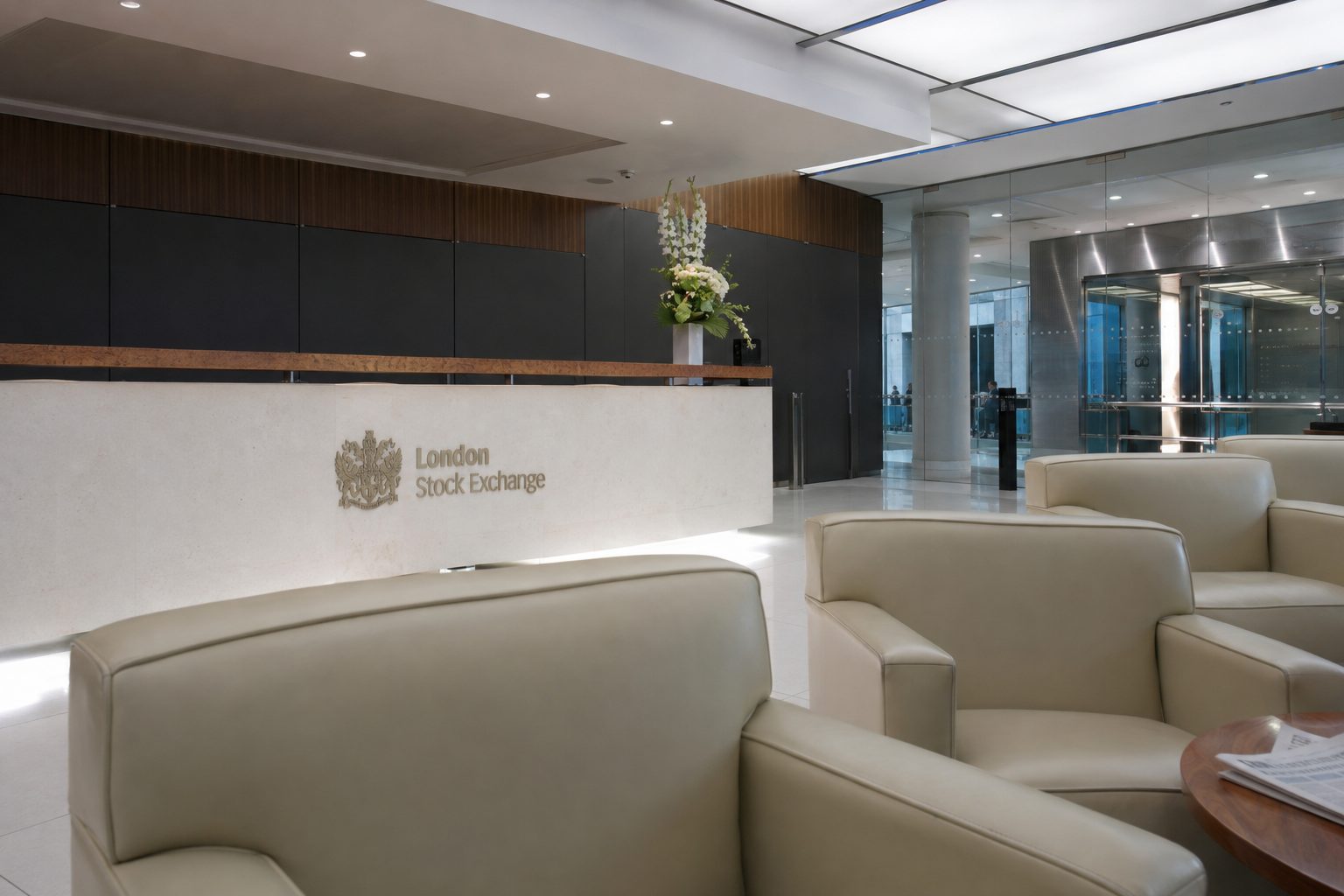
London Stock Exchange Group plc has struck a deal with Australia’s ASX to upgrade the ASX 24 derivatives trading platform. Under the agreement, LSEG Markets Technology will provide what it describes as a high-performance, low-latency solution. “We are proud to partner with ASX in delivering next‑generation trading infrastructure that enhances resilience, strengthens performance, and enables innovation,” said Bruce Kellaway, global head of LSEG Markets Technology. LSEG
Timing is critical here; ASX 24 operates in a world where speed and stability aren’t just extras. This is a derivatives hub—think futures, options—used by traders hedging shifts in rates, equities, commodities. Activity often surges when volatility kicks up.
LSEG’s approach isn’t new: provide the tech as well as operate the platform. Technology deals tend to stick, offering exchanges a path to expansion that’s less tied to fluctuations in trading activity and IPO pipelines.
ASX describes ASX 24 as the main platform for trading interest-rate, equity, and commodity futures and options in Australia and New Zealand, framing the current upgrade as a move to bolster resilience. “Our focus is on running a fast, fair, and reliable environment that enables our customers to manage their risk and discover prices,” said Farid Sammur, head of markets technology at ASX. The companies, ASX said, are planning to tackle design, testing, migration and participant readiness through 2026.
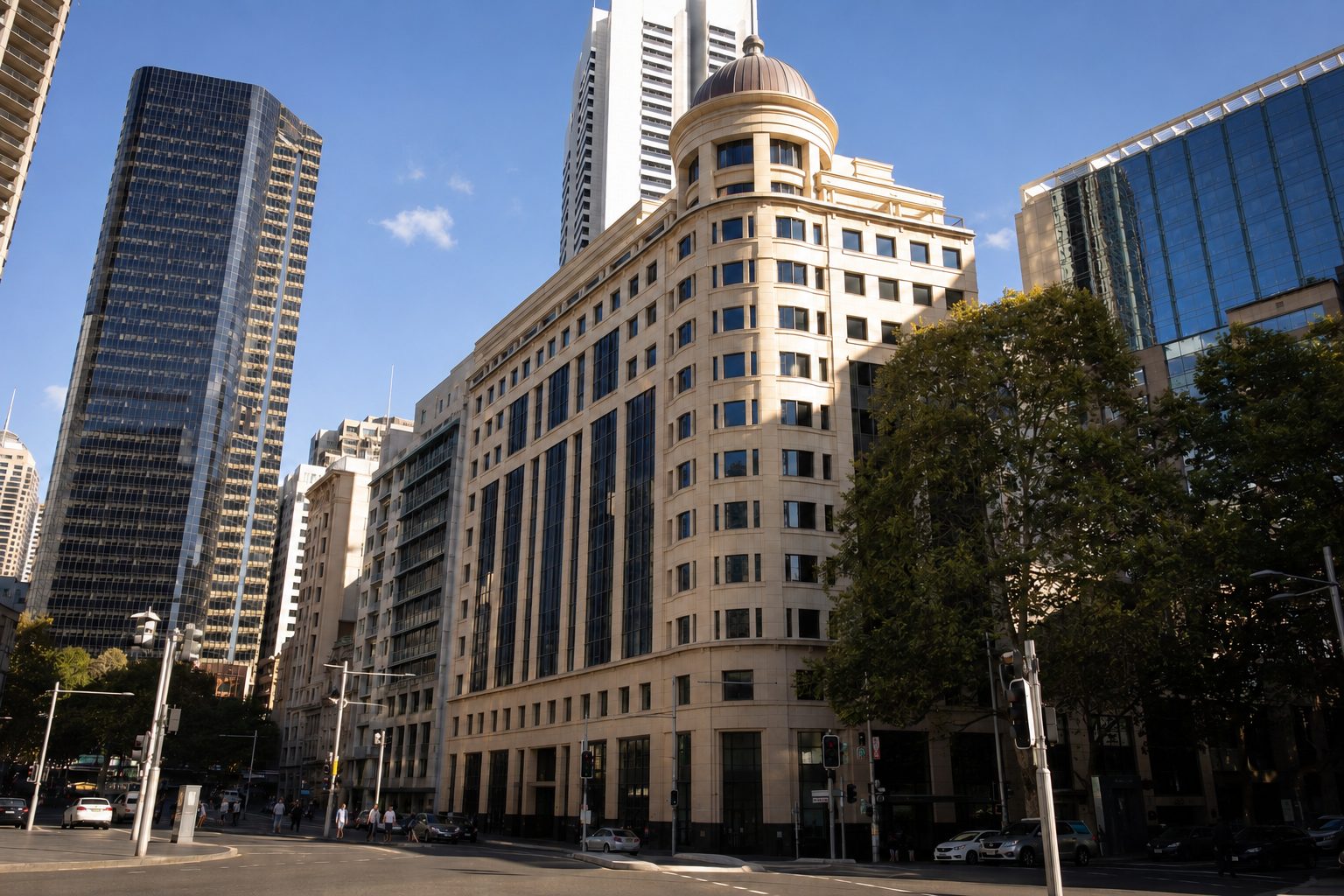
ASX is pitching the ASX 24 replacement as a “strategic upgrade,” saying the move will retire its ageing futures trading platform in favor of a more modern, vendor-backed system. The timeline, ASX notes, remains provisional and hinges on regulatory green lights. According to the published schedule, integration, build, and testing are slated for the first half of 2026. Broader industry testing follows in 2027, with the go-live date targeted for the first half of 2028. Australian Securities Exchange
LSEG isn’t the only player pushing to monetize its exchange infrastructure. Nasdaq, for its part, pitches trading tech to exchanges and venues spanning various asset classes, intensifying the fight for these contracts.
Delivery risk remains a concern, especially as ASX’s broader tech headaches test the patience of both investors and regulators. Longstanding criticism from the Australian Securities and Investments Commission and the Reserve Bank of Australia has centered on ASX’s outdated settlement systems, which have been linked to trading outages. ASX is pushing ahead with efforts to overhaul CHESS — the backbone for settling and recording shareholdings — according to Reuters. “Confidence won’t be restored by announcements alone,” said Marc Jocum, senior product and investment strategist at Global X ETFs, who highlighted how closely milestones are being watched. The companies didn’t specify financial terms. Reuters
Low latency basically cuts the wait between submitting an order and seeing it matched. In derivatives trading, with hedges shifting in seconds, even brief slowdowns or minor outages can drive up costs and push spreads wider.
The workplan’s in place: design, testing, migration. But investors will be sizing up progress step by step. Should the cutover dates shift or unexpected issues surface during testing, this upgrade could easily tip from straightforward switch to protracted overhaul.
LSEG needs a clean launch here to show its tech unit can actually deliver abroad. ASX, on the other hand, gets another shot at persuading users these latest upgrades will hit the deadline.
Related articles: Technology